Common Lawn Maintenance Mistakes Lakeland Homeowners Make
Overwatering: A Common Problem in Lakeland's Wet Season
Lakeland, Florida, is known for its hot and humid subtropical climate, with a distinct wet season from June to September. While it's essential to water your lawn during this time, overwatering can be just as detrimental as underwatering. Overwatering leads to shallow root growth, making the grass more susceptible to disease and pests.
How Much Water Does My Lawn Need?
The ideal watering schedule for Lakeland lawns depends on factors like soil type, sunlight exposure, and temperature. Generally, a well-maintained lawn needs about 1-2 inches of water per week, either from rain or irrigation. To avoid overwatering, monitor your lawn's moisture levels by inserting a finger into the soil up to the second knuckle. If the soil feels dry, it's time to water.
Mowing Too Short: A Threat to Lakeland Lawns
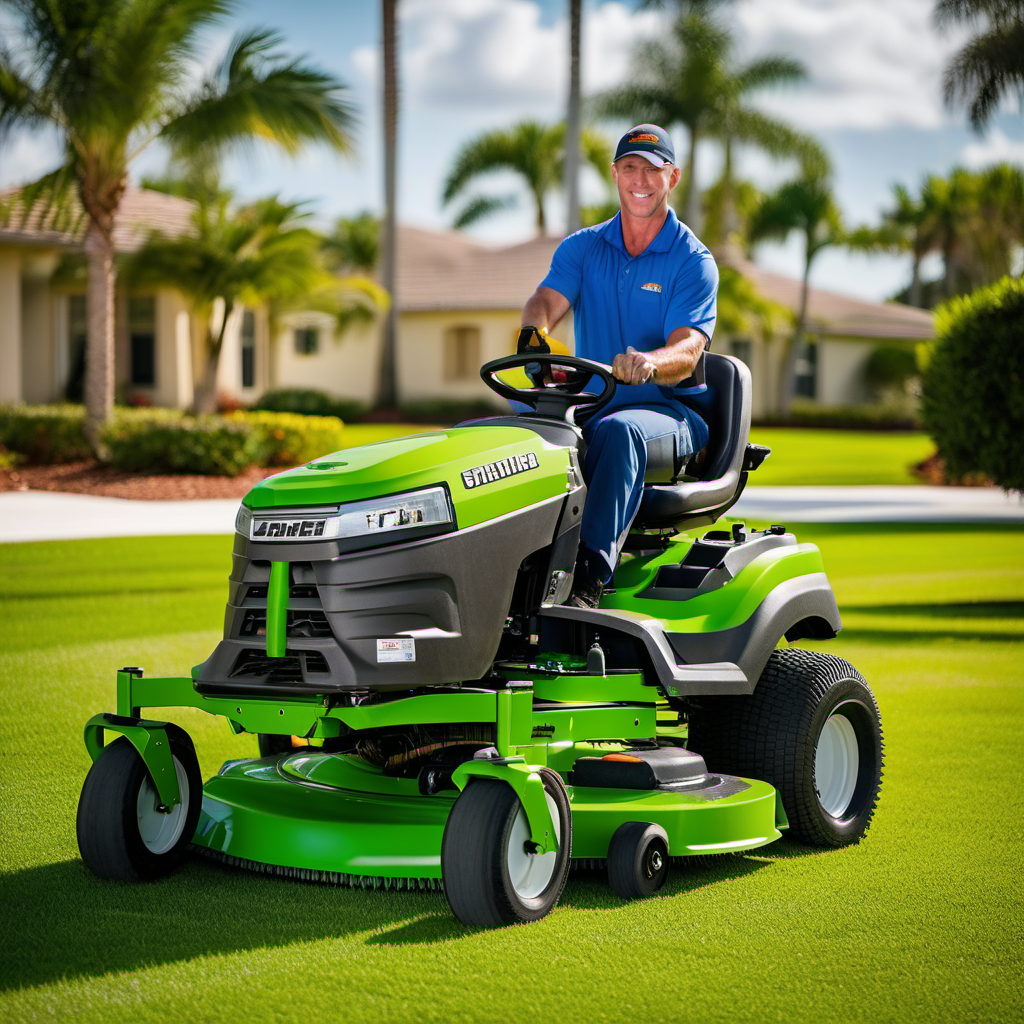
Mowing your lawn too short can lead to stress, making it more vulnerable to disease and pests. In Lakeland's climate, it's best to maintain a mowing height of 2.5-3 inches for most grass types. This allows the grass blades to produce energy through photosynthesis, promoting healthy growth.
Tips for Mowing Your Lawn in Lakeland:
* Maintain your mower at the recommended blade sharpness to prevent tearing the grass. * Leave the clippings on the lawn to act as a natural fertilizer. * Avoid mowing during the hottest part of the day (usually between 11 am and 3 pm).
Fertilizing Too Frequently: A Waste of Time and Money
Fertilizing your lawn too frequently can lead to an overabundance of nutrients, causing more harm than good. In Lakeland's climate, it's recommended to fertilize your lawn during the growing season (spring and fall), using a balanced fertilizer with a 10-10-10 N-P-K ratio.
How Often Should I Fertilize My Lawn?
* Apply a slow-release fertilizer in the spring (February-March) for new growth. * Follow up with a second application in the summer (June-July) to promote healthy root development. * Avoid fertilizing during the wet season, as this can lead to overfertilization.
Not Mulching: A Missed Opportunity
Mulch is an essential component of any lawn care routine, helping to retain moisture, suppress weeds, and regulate soil temperature. In Lakeland's climate, it's best to apply a 2-3 inch layer of organic mulch (like pine straw or wood chips) around trees, gardens, and flower beds.
Benefits of Mulching:
* Reduces soil erosion by preventing water runoff. * Regulates soil temperature, reducing the need for fertilizers. * Adds nutrients to the soil as it breaks down.
Not Preparing for Lakeland's Wet Season
Lakeland's wet season from June to September can be challenging for lawns. To prepare, make sure to:
Tips for Preparing Your Lawn for the Wet Season:
* Inspect your lawn for any dead or damaged areas and repair them before the wet season. * Apply a pre-emergent herbicide in late winter (February-March) to prevent weeds from germinating. * Keep your mower at the recommended height and maintain regular mowing schedules.
Common Lawn Care Mistakes FAQ
Q: How often should I water my lawn? A: Water your lawn when the top 2-3 inches of soil feel dry to the touch. Aim for about 1-2 inches of water per week, either from rain or irrigation.
Q: What's the best fertilizer for my Lakeland lawn? A: Choose a balanced fertilizer with a 10-10-10 N-P-K ratio and apply it during the growing season (spring and fall).
Q: Can I use regular mulch in my garden? A: While regular mulch can work, it's recommended to use organic mulch like pine straw or wood chips for better soil health.
Call Blue Collar Q at (239) 799-5594 or visit bluecollarq.net to schedule a consultation and ensure your Lakeland lawn is healthy and thriving all year round!
Ready to Get Started?
Free estimate + free 3D render. Serving Cape Coral & all of SW Florida.