Drainage Solutions for Fort Myers Beach's Climate and Soil Challenges
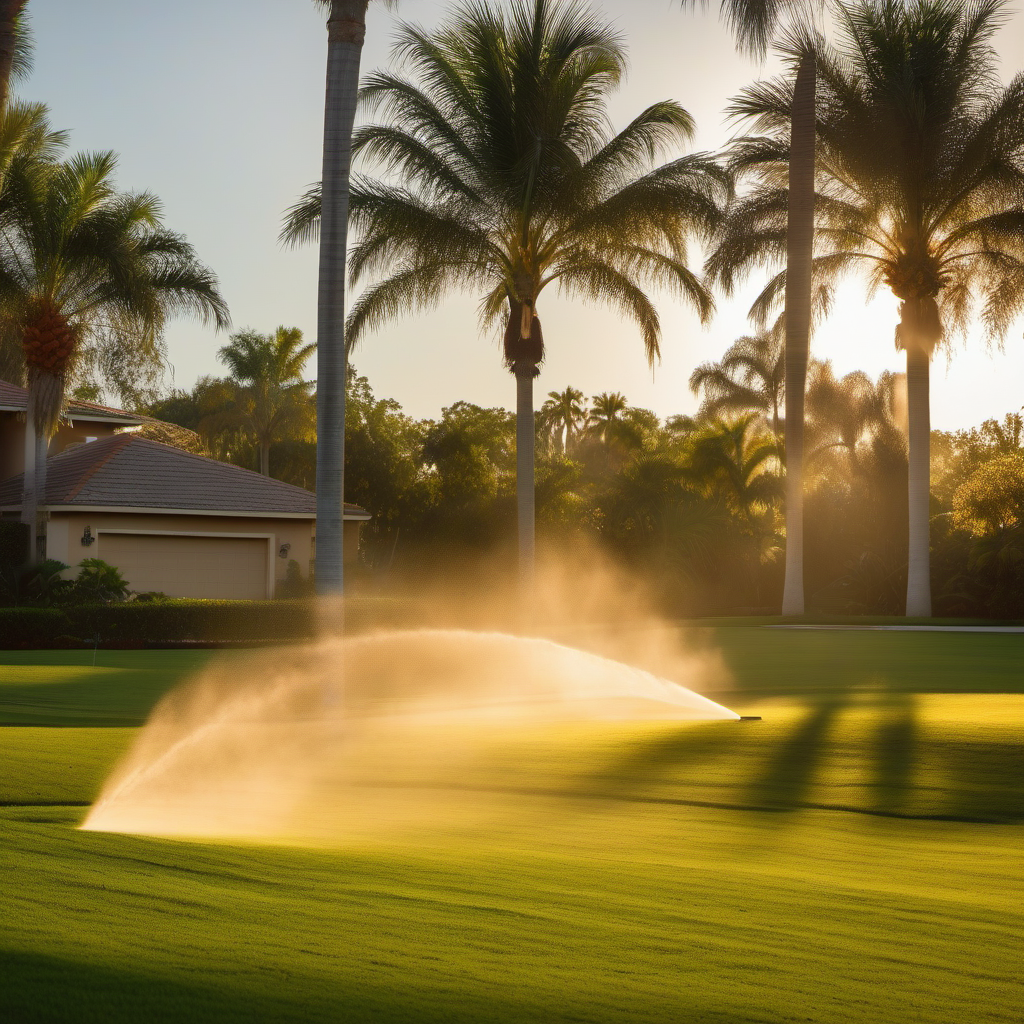
Understanding Fort Myers Beach's Climate and Soil Challenges As a homeowner in Fort Myers Beach, you're likely no stranger to the region's subtropical climate. With high humidity levels and intense summer rains (June-September), your property's drainage system can quickly become overwhelmed. The sandy soil that makes our beaches so beautiful also contributes to water run-off issues, leading to erosion, puddles, and potential flooding.
Factors Contributing to Drainage Challenges in Fort Myers Beach
* Humidity: Average relative humidity levels range from 64% to 86%, creating a perfect storm for moisture accumulation. * Rainfall: Summer months see the most significant rainfall, with an average of 6-8 inches per month during June-August. * Sandy Soil: Our beach's signature sand is prone to water run-off due to its low density and high permeability.
Assessing Your Property for Drainage Issues
Before tackling drainage problems, it's essential to identify the root causes. Consider the following factors when evaluating your property:
Signs of Drainage Problems
* Puddles or standing water on lawns or hardscapes * Erosion near slopes, hills, or water features * Water accumulation in low-lying areas or around plantings * Increased soil moisture levels, leading to plant stress or disease
Factors Affecting Drainage Solutions
* Property Topography: Hills, valleys, and slopes can impact water flow and collection. * Soil Composition: Type, density, and permeability all influence drainage efficiency. * Landscaping Features: Water features, plantings, and hardscapes can either aid or hinder drainage.
Practical Drainage Solutions for Fort Myers Beach Properties
1. Improve Soil Structure
* Add Organic Matter: Incorporate compost, peat moss, or well-rotted manure to enhance soil aeration and water-holding capacity. * Use Mulch: Apply a 2-3 inch layer of organic mulch to retain moisture, suppress weeds, and regulate temperature.
2. Install Efficient Water Collection Systems
* Rain Barrels: Harvest rainwater for irrigation, washing cars, or other non-potable uses. * Cisterns: Large-capacity water storage systems for supplemental irrigation during dry spells.
3. Implement Slope Stabilization Techniques
* Terracing: Divide slopes into manageable sections to reduce erosion and improve drainage. * Rock Retaining Walls: Build walls using local stone or rock to stabilize soil and prevent landslides.
4. Enhance Surface Water Management
* French Drains: Install underground drains to direct water away from buildings, roads, and walkways. * Swales: Create shallow ditches or depressions to allow rainwater to infiltrate the soil.
Seasonal Tips for Effective Drainage in Fort Myers Beach
Spring (March-May)
* Monitor Rainfall: Keep an eye on weather forecasts to anticipate heavy rainfall events. * Inspect and Clean Drains: Clear debris from gutters, downspouts, and storm drains before peak rain season.
Summer (June-August)
* Maintain Mulch Layers: Replenish mulch as needed to retain moisture and suppress weeds. * Supplement Irrigation: Use rain barrels or cisterns for supplemental irrigation during dry spells.
Fall (September-November)
* Clean Up Debris: Remove fallen leaves, branches, and other obstructions from water features and drains. * Aerate Lawns: Improve soil aeration to reduce compaction and promote healthy root growth.
Winter (December-February)
* Inspect and Repair Drains: Identify and repair any damage to underground pipes or fittings. * Prepare for Spring Rains: Reinforce rainwater collection systems, inspect gutters and downspouts, and maintain mulch layers.
FAQ: Frequently Asked Questions
Q: What's the average cost of installing a French drain in Fort Myers Beach? A: The cost can range from $3 to $10 per linear foot, depending on material quality and installation complexity.
Q: Can I install a rain barrel myself, or should I hire a professional? A: While it's possible to install a rain barrel DIY-style, hiring a professional ensures proper installation, safety, and compliance with local regulations.
Q: How often should I inspect my property for drainage issues? A: Regularly inspect your property during and after rainfall events, ideally every 2-3 months during peak rain seasons (June-August).
Conclusion
Effective drainage solutions in Fort Myers Beach require a deep understanding of the region's unique climate and soil challenges. By implementing practical tips, improving soil structure, installing efficient water collection systems, stabilizing slopes, and managing surface water, you can protect your property from erosion, flooding, and potential damage.
Call Blue Collar Q at (239) 799-5594 or visit bluecollarq.net to schedule a consultation with our expert team. We'll work together to develop a customized drainage plan that suits your specific needs and budget.
Ready to Get Started?
Free estimate + free 3D render. Serving Cape Coral & all of SW Florida.