Drought-Tolerant Landscaping Ideas for Florida
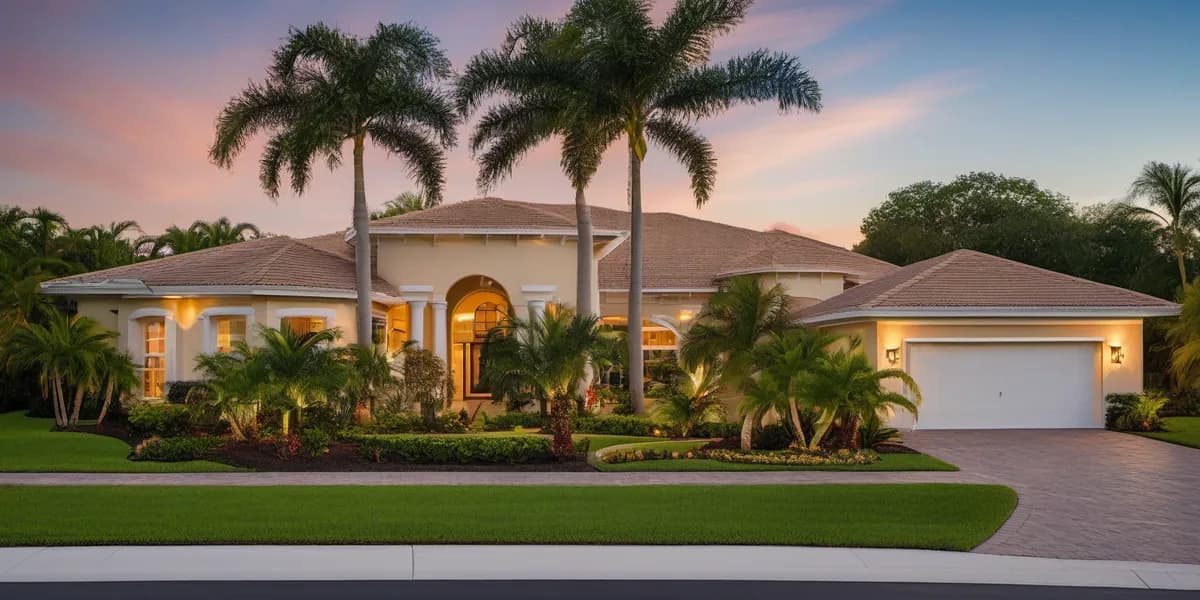
Drought-Tolerant Landscaping for Florida Properties
Florida's rainy season delivers abundant water from June through September. But the dry season - October through May - tells a different story. During these months, many parts of Florida receive less than 2 inches of rain per month, and water restrictions limit irrigation to two or three days per week.
This dry-season reality, combined with rising water costs and increasing environmental awareness, has driven a growing interest in drought-tolerant landscaping across Florida. The good news: you can significantly reduce your water consumption while maintaining - or even improving - your landscape's appearance.
What Drought-Tolerant Landscaping Actually Means
Drought-tolerant landscaping does not mean a yard full of rocks and cactus. In Florida, it means selecting plants, materials, and design strategies that minimize water dependency while creating a lush, attractive landscape that looks intentional and beautiful.
The core principles include:
- Choosing plants adapted to Florida's natural rainfall patterns
- Reducing the total area of water-intensive turf grass
- Using efficient irrigation where supplemental water is needed
- Mulching heavily to retain soil moisture
- Grouping plants with similar water needs together (hydrozoning)
Reducing Lawn Area Strategically
The biggest water consumer in any Florida landscape is the lawn. St. Augustine grass - the Florida standard - needs 0.5-0.75 inches of water twice a week during dry season. For a 5,000 square foot lawn, that is over 3,000 gallons per week.
You do not have to eliminate your lawn entirely. Instead, reduce it to areas where you actually use it and replace peripheral lawn with drought-tolerant alternatives:
Keep lawn in: Front yard for curb appeal, play areas for kids, gathering spaces for entertaining.
Replace lawn with: Native groundcovers, mulched planting beds, hardscaping, gravel gardens, or drought-tolerant ornamental plantings along property borders, fence lines, and areas where grass struggles anyway (deep shade, steep slopes, narrow strips).
Even reducing lawn area by 30% can cut your irrigation water use nearly in half.
Drought-Tolerant Plants for Florida
Florida is home to hundreds of native and adapted plants that thrive on rainfall alone once established. Here are top picks organized by type:
Trees:
- Gumbo limbo: Fast-growing native that requires zero irrigation once established. Attractive peeling bark, great shade.
- Live oak: Once established (after 1-2 years of watering), live oaks are extraordinarily drought-tolerant. Deep root systems access groundwater.
- Slash pine: Florida's native pine thrives on neglect. Excellent for creating a natural, woodland feel.
- Simpson's stopper: Small native tree with fragrant flowers, attracts birds. Extremely drought-tolerant.
Palms:
- Sabal palm: Florida's toughest palm. Drought-tolerant, hurricane-resistant, zero-maintenance once established.
- Pindo palm (Butia): Cold-hardy and drought-tolerant with attractive blue-green fronds.
- Silver palm: Native, compact, and incredibly drought-resistant.
Shrubs:
- Coontie: The only native cycad in Florida. Virtually indestructible once established. Deep green, fern-like foliage.
- Saw palmetto: Native groundcover/shrub that needs zero maintenance. Excellent for natural-style landscapes.
- Green buttonwood: Salt and drought-tolerant native. Works as a hedge, specimen, or small tree.
- Firebush: Native flowering shrub that attracts hummingbirds. Drought-tolerant and prolific bloomer.
- Beautyberry: Native shrub with stunning purple berry clusters in fall.
Groundcovers:
- Perennial peanut (Arachis glabrata): A remarkable lawn alternative. Once established, it needs no mowing, no fertilizer, and minimal water. It fixes its own nitrogen, stays green year-round in South Florida, and produces small yellow flowers.
- Mimosa strigillosa (sunshine mimosa): Native groundcover that stays low, spreads by runners, and handles foot traffic. Drought-tolerant and virtually maintenance-free.
- Dune sunflower: Cheerful yellow flowers, coastal-tough, and drought-resistant. Spreads quickly to cover large areas.
Ornamental Grasses:
- Muhly grass: Produces stunning pink plumes in fall. Essentially zero-maintenance once established.
- Fakahatchee grass: Large, flowing native grass that creates a dramatic focal point.
- Dwarf fakahatchee: Smaller version for tighter spaces. Same drought tolerance.
Efficient Irrigation for Remaining Water Needs
Even in a drought-tolerant landscape, some supplemental irrigation may be needed, especially during establishment (the first year after planting) and for any turf areas you retain:
Drip irrigation: The most efficient method for planting beds. Delivers water directly to roots with minimal waste. Can reduce water use by 50-70% compared to overhead spray.
Micro-spray: Low-volume spray for groundcover areas. More efficient than standard spray heads.
Smart controllers: Weather-based controllers adjust watering automatically based on actual conditions. They skip irrigation after rainfall and increase watering during dry, hot spells.
Rain barrels and cisterns: Capture rooftop runoff during the rainy season for use during the dry season. A single 55-gallon rain barrel can supplement irrigation for a small planting bed through a dry spell.
Mulch: The Unsung Hero
A 3-4 inch layer of mulch in all planting beds is one of the most effective water conservation strategies available:
- Reduces soil moisture evaporation by up to 70%
- Moderates soil temperature extremes
- Suppresses weeds that compete with plants for water
- Breaks down slowly, adding organic matter to Florida's sandy soil
Best mulch types for Florida: Pine bark nuggets (medium or mini), melaleuca mulch (locally sourced), eucalyptus mulch, or pine straw. Avoid dyed mulch - the dye adds no benefit and can contain unwanted chemicals.
Design Ideas for Drought-Tolerant Florida Landscapes
The Native Garden: Replace peripheral lawn areas with grouped native plants in mulched beds. Use curving bed lines for a natural feel. Include a mix of heights - canopy trees, understory shrubs, and groundcovers.
The Modern Minimalist: Clean hardscape lines, large paver areas, and strategically placed specimen plants in gravel beds. Minimal plant material, maximum impact.
The Tropical Oasis: Yes, you can have a tropical look with drought-tolerant plants. Sabal palms, coontie, firebush, and muhly grass create a lush, layered tropical feel without the water demands.
Design a Water-Smart Landscape
Blue Collar Q designs beautiful, drought-tolerant landscapes that reduce water use without sacrificing beauty. Our 3D design process lets you see exactly how your water-smart landscape will look.
Call (239) 799-5594 to book a design consultation. It starts at $400, credited in full when you build with us. Visit bluecollarq.net to learn more.
Get a free quote
Name and phone is all we need. Serving Cape Coral, Fort Myers and all of SW Florida.