How to Protect Your Lawn During Florida's Rainy Season
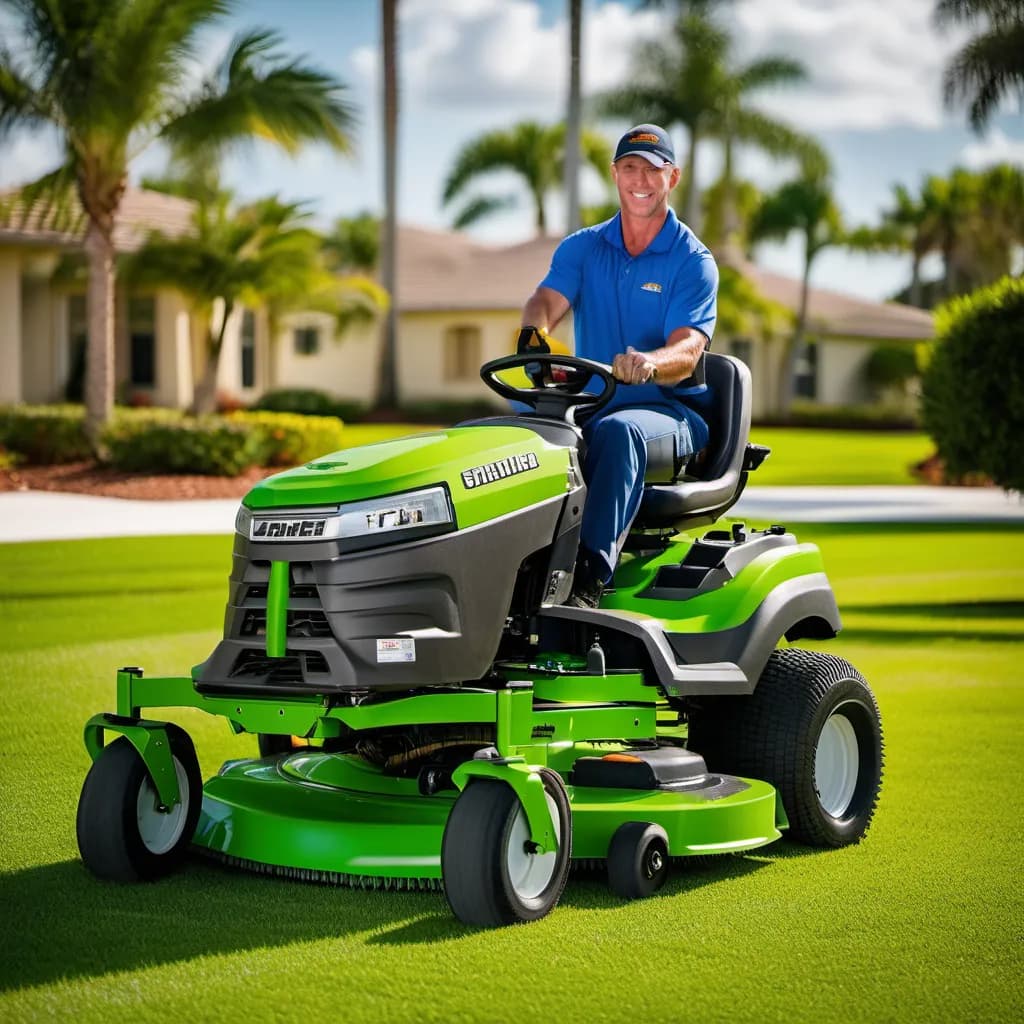
Protecting Your Florida Lawn During Rainy Season
Every year from June through September, Florida transforms from a sunny paradise into a subtropical monsoon zone. Southwest Florida alone receives 25-35 inches of rain during these four months - often in intense afternoon thunderstorms that dump 1-2 inches in under an hour.
For your lawn, this deluge creates a cascade of challenges: standing water, fungal diseases, nutrient leaching, pest explosions, and mowing difficulties. But with the right preparation and management, your lawn can not only survive the rainy season - it can thrive.
Understanding the Impact
Florida's rainy season is not just wet - it is a fundamentally different growing environment:
Saturated Soil: Sandy Florida soil normally drains quickly, but daily heavy rain can overwhelm even sandy ground. When the water table rises (common in low-lying areas of Cape Coral, Fort Myers, and coastal communities), water has nowhere to go. Grass roots sitting in saturated soil suffocate and begin to rot.
Explosive Fungal Growth: Warm temperatures plus constant moisture equals fungal paradise. Gray leaf spot, brown patch, dollar spot, and take-all root rot are all active during Florida's rainy season. These diseases can destroy a lawn in weeks if not addressed.
Nutrient Leaching: Heavy rain washes fertilizer out of the root zone before grass can absorb it. This is why summer fertilization must be handled carefully - applying fertilizer before a heavy rain event is literally throwing money into the storm drain.
Pest Population Explosions: Mosquitoes, sod webworms, and various lawn pests reproduce rapidly in warm, wet conditions. Populations that were manageable in spring can become devastating by August.
Pre-Rainy Season Preparation (April-May)
Start preparing your lawn before the rains arrive:
Improve Drainage: Address any low spots or areas where water tends to collect. Options include:
- Regrading low areas to direct water away from the lawn
- Installing French drains in chronically wet zones
- Creating rain gardens or swales to manage excess water naturally
- Ensuring all downspouts direct water away from lawn areas
Aerate Compacted Areas: Core aeration opens up compacted soil, allowing water to penetrate more effectively and reducing surface ponding. The best time to aerate in Florida is late spring, just before the rains begin.
Apply Pre-Season Fungicide: A preventive fungicide application in late May can protect against the initial wave of fungal diseases. Products containing azoxystrobin or propiconazole are effective broad-spectrum preventives.
Raise Your Mowing Height: Going into rainy season, raise your mowing height by half an inch. Taller grass has deeper roots, shades the soil (reducing surface evaporation and weed germination), and is more resilient to disease and flooding stress.
Check Your Irrigation Controller: Turn off or significantly reduce your irrigation schedule. Once the rains start, supplemental irrigation is usually unnecessary and can worsen waterlogging problems.
During Rainy Season Management (June-September)
Mowing Strategy
Mowing during rainy season is a constant challenge. The grass grows fast, but the ground is often too wet to mow without causing ruts and damage:
- Mow on dry mornings whenever possible
- Never mow when the lawn is soggy - wheel ruts compact wet soil and damage grass
- If you miss a week due to rain, do not cut more than one-third of the blade height at once. If the grass has gotten very tall, cut it in two passes over several days.
- Keep mower blades sharp - dull blades tear wet grass and create entry points for fungal spores
Fertilization Approach
Florida law restricts summer fertilization in many counties (Lee and Collier counties have blackout periods for nitrogen and phosphorus application during peak rainy season):
- Check your county's fertilizer ordinance before applying any product
- If fertilization is permitted, use slow-release nitrogen only
- Apply early in the morning on a day when afternoon rain is not expected (check the forecast)
- Reduce application rates by 25-50% compared to spring applications
- Never apply fertilizer to saturated ground
Fungal Disease Management
Monitor your lawn weekly for signs of disease:
- Gray leaf spot: Small gray-brown spots on individual grass blades, typically on St. Augustine. Reduce watering, improve airflow, and apply fungicide if spreading.
- Brown patch: Circular brown areas 6 inches to several feet in diameter. Most active when nights are warm and humid. Avoid evening irrigation.
- Dollar spot: Small, silver-dollar-sized brown spots. Often a sign of nitrogen deficiency. A light fertilizer application can help if regulations permit.
- Take-all root rot: Yellowing and thinning in irregular patches, roots pull up easily. This is a serious disease that requires professional treatment.
If disease pressure is high, apply a curative fungicide and consider a monthly preventive program throughout the rainy season.
Weed Management
Weeds love rainy season as much as fungal diseases do:
- Pull large weeds by hand when the soil is soft - they come out easily after rain
- Avoid broad herbicide applications during rainy season - wet conditions can cause herbicide to damage desirable grass
- Spot-treat persistent weeds with a targeted post-emergent herbicide
- Maintain thick, healthy turf - the best weed prevention is a lawn that leaves no room for weeds to establish
Post-Rainy Season Recovery (October-November)
Once the rains taper off in October:
- Resume a normal fertilization schedule with a balanced fall application
- Apply a post-season fungicide to knock back any lingering disease
- Overseed any thin or bare areas (for Bahia lawns) or plug/sod bare spots (for St. Augustine)
- Return irrigation to a normal schedule as rainfall decreases
- Lower mowing height back to standard (3.5-4 inches for St. Augustine)
Professional Rainy Season Lawn Care
Blue Collar Q's maintenance programs are specifically designed for Florida's seasonal challenges. Our crews adjust mowing schedules, fertilization timing, and disease management throughout the rainy season to keep your lawn healthy.
Call (239) 799-5594 to set up a maintenance program that protects your lawn year-round. See our services and locations online.
Get a free lawn care quote
Name and phone is all we need. Serving Cape Coral, Fort Myers and all of SW Florida.