Fort Myers Beach HOA-Approved Lawn Maintenance — What You Need to Know
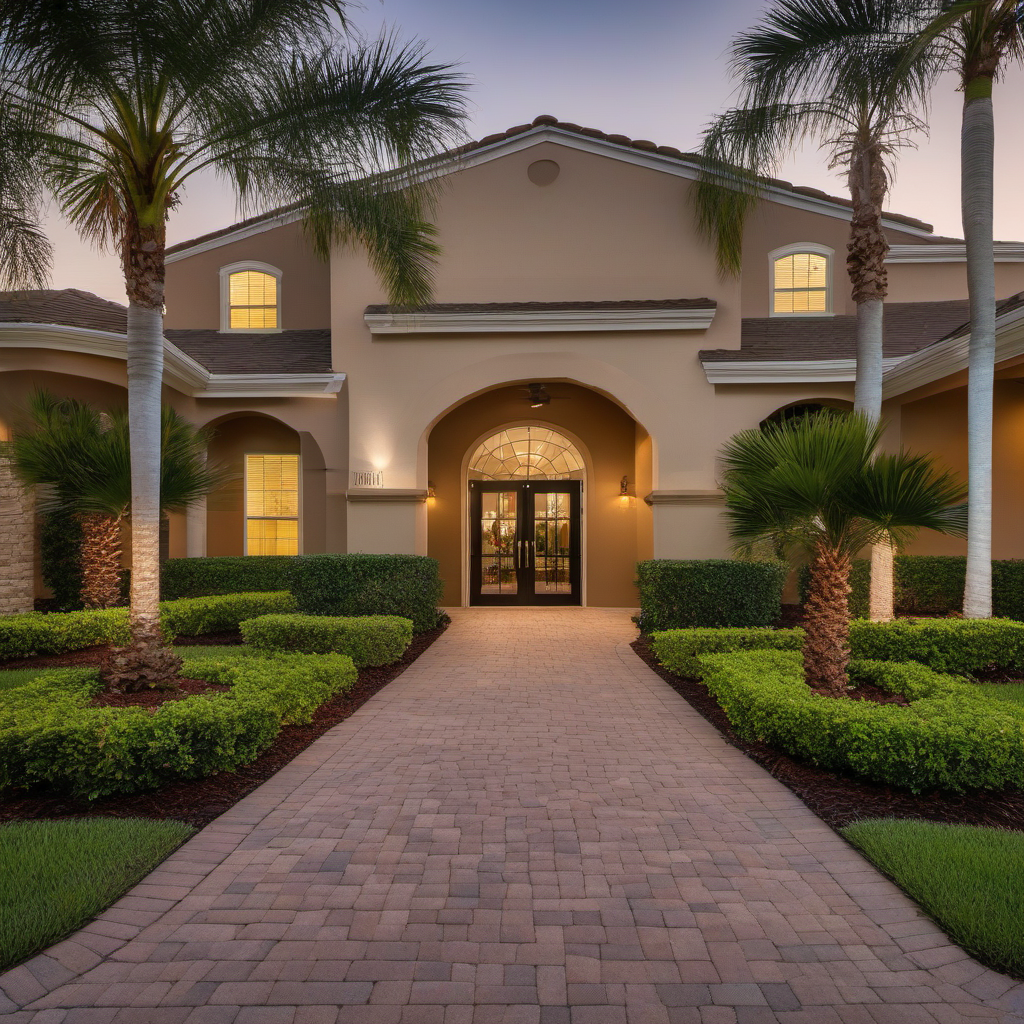
Fort Myers Beach HOA-Approved Lawn Maintenance — Staying in Compliance
EXCERPT: "Learn the ins and outs of Fort Myers Beach lawn maintenance that meets your Homeowners Association's (HOA) standards. From fertilization to pruning, stay compliant with Blue Collar Q's expert advice."
CATEGORY: Lawn Care TAGS: fort myers beach landscaping, hoa-approved lawn care, florida lawn maintenance, lawn care tips
Understanding Your HOA's Lawn Maintenance Rules
As a homeowner in Fort Myers Beach, you're likely familiar with the importance of adhering to your Homeowners Association's (HOA) rules and regulations. When it comes to lawn maintenance, these guidelines can be particularly strict. With its beautiful beaches, scenic neighborhoods, and tropical climate, Fort Myers Beach is known for its lush green lawns. However, maintaining a well-manicured lawn that meets your HOA's standards requires attention to detail and a deep understanding of the local climate.
In this article, we'll delve into the world of Fort Myers Beach HOA-approved lawn maintenance, covering topics such as fertilization, pruning, irrigation, and more. Whether you're a seasoned homeowner or new to the area, our expert advice will help you stay in compliance with your HOA's rules while maintaining a stunning outdoor space.
The Challenges of Lawn Maintenance in Fort Myers Beach
Fort Myers Beach's tropical climate presents several challenges for lawn maintenance. With high humidity levels and an average annual rainfall of over 50 inches, lawns can quickly become waterlogged and prone to disease. Additionally, the sandy soil found throughout the area can be difficult to work with, as it drains quickly and may require specialized fertilizers.
Fertilization: A Key Component of HOA-Approved Lawn Maintenance
Fertilization is a critical aspect of lawn maintenance in Fort Myers Beach. With its warm temperatures and high humidity, lawns in this region tend to grow rapidly, making regular fertilization essential to maintain their health. However, it's essential to choose the right type of fertilizer for your lawn.
Organic vs. Synthetic Fertilizers
When selecting a fertilizer, you'll come across two main options: organic and synthetic. Organic fertilizers are made from natural materials such as compost, manure, or bone meal, while synthetic fertilizers contain chemical compounds designed to promote growth. In Fort Myers Beach, organic fertilizers are often preferred due to their environmentally friendly nature.
Fertilization Schedule
To maintain a healthy lawn in Fort Myers Beach, it's recommended to fertilize during the spring (March-May) and fall (September-November). During these periods, your lawn is actively growing, making it more receptive to fertilizer applications. It's essential to avoid fertilizing during the hottest summer months (June-August), as this can cause an overgrowth of weeds and grass.
Pruning: The Art of Shaping Your Lawn
Pruning is a vital aspect of lawn maintenance in Fort Myers Beach, particularly when it comes to keeping your lawn looking neat and tidy. With its sandy soil and warm temperatures, lawns in this region tend to grow rapidly, making regular pruning essential.
Choosing the Right Pruning Tools
When it comes to pruning, the right tools can make all the difference. A good pair of pruning shears or a hedge trimmer will help you achieve clean cuts and prevent damage to your lawn.
Seasonal Pruning Schedule
To maintain a well-manicured lawn in Fort Myers Beach, follow this seasonal pruning schedule:
* Spring: Prune trees and shrubs after new growth has emerged (March-April) * Summer: Trim grass clippings regularly to prevent overgrowth (June-August) * Fall: Prune trees and shrubs before the start of the dry season (September-October)
Irrigation: A Key Component of HOA-Approved Lawn Maintenance
Irrigation is a critical aspect of lawn maintenance in Fort Myers Beach, particularly during the hot summer months. With its sandy soil, lawns in this region tend to dry out quickly, making regular watering essential.
Choosing the Right Irrigation System
When selecting an irrigation system for your lawn, consider factors such as water pressure, flow rate, and sprinkler coverage. In Fort Myers Beach, it's recommended to install a drip irrigation system or a sprinkler system with rain sensors to optimize water usage.
Additional Tips for HOA-Approved Lawn Maintenance in Fort Myers Beach
In addition to fertilization, pruning, and irrigation, here are some additional tips to keep your lawn looking its best:
* Mow regularly: Maintain a height of 2.5-3 inches during the growing season * Water wisely: Water deeply but infrequently to encourage deep root growth * Monitor for pests: Regularly inspect your lawn for signs of pests, such as white grubs or chinch bugs
FAQ: Common Questions About HOA-Approved Lawn Maintenance in Fort Myers Beach
Q: What is the best type of grass for my lawn in Fort Myers Beach? A: The best type of grass for Fort Myers Beach lawns is St. Augustinegrass, which is well-suited to the region's climate and soil conditions.
Q: How often should I fertilize my lawn in Fort Myers Beach? A: Fertilize your lawn during the spring (March-May) and fall (September-November), avoiding the hottest summer months.
Q: What are some common pests that affect lawns in Fort Myers Beach? A: Common pests affecting lawns in Fort Myers Beach include white grubs, chinch bugs, and billbugs.
Conclusion
Maintaining a well-manicured lawn in Fort Myers Beach requires attention to detail and a deep understanding of the local climate. By following the tips outlined above, you'll be well on your way to staying in compliance with your HOA's rules while enjoying a beautiful outdoor space. For expert advice and customized lawn maintenance solutions, contact Blue Collar Q at (239) 799-5594 or visit bluecollarq.net today!
Ready to Get Started?
Free estimate + free 3D render. Serving Cape Coral & all of SW Florida.