HOA-Friendly Landscaping Ideas for Florida Communities
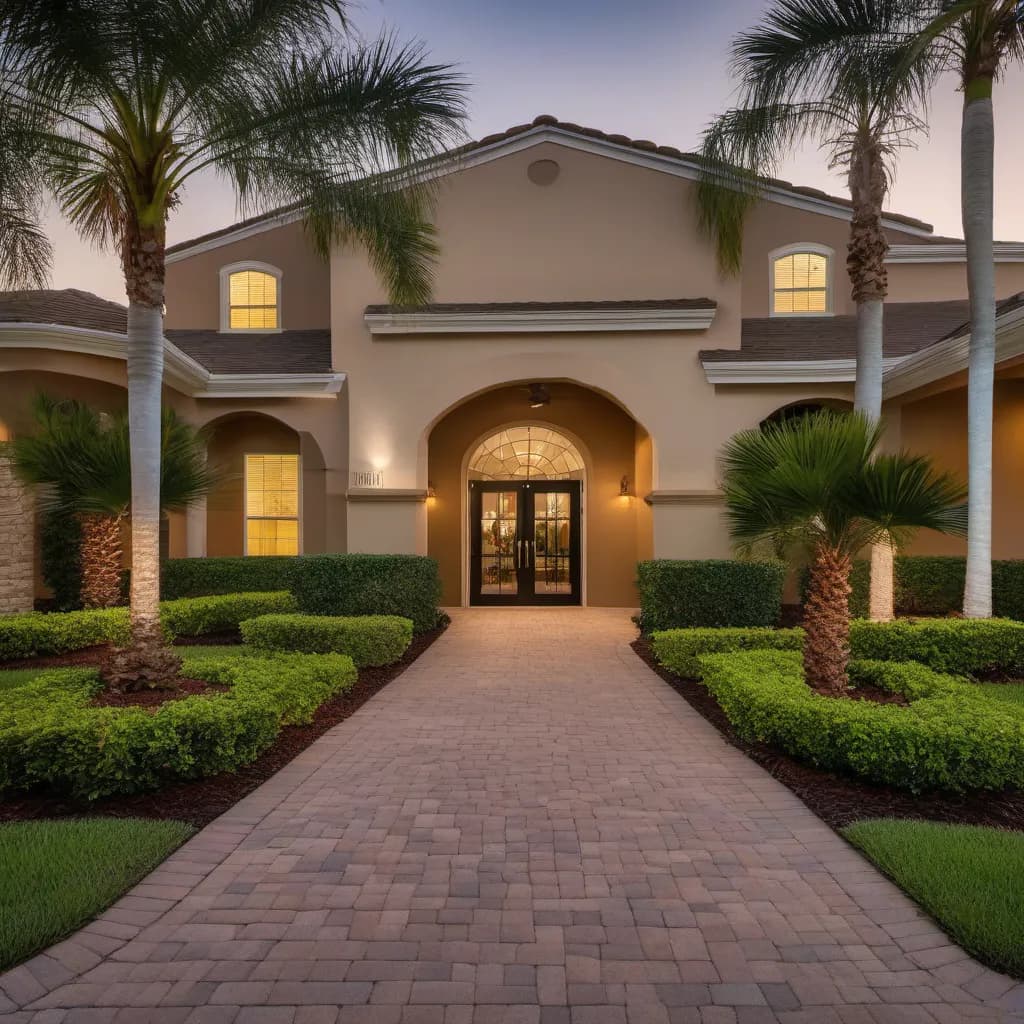
HOA-Friendly Landscaping That You Will Actually Love
If you live in a Florida community with a homeowners association, your landscaping options come with a rulebook. HOA guidelines dictate everything from grass type to hedge height to the color of your mulch. For some homeowners, this feels restrictive. But the truth is, HOA guidelines exist to protect property values - and within those guidelines, there is plenty of room for creative, beautiful landscaping.
This guide helps Florida homeowners navigate HOA requirements while creating a landscape that stands out (in a good way) from every other yard on the block.
Understanding Florida HOA Landscape Requirements
While every HOA is different, most Florida community associations have rules covering:
Lawn Standards: Most Florida HOAs require a specific grass type (usually St. Augustine) maintained at a certain height. Bare spots, weeds, and brown patches often trigger violation notices.
Tree and Shrub Requirements: Many HOAs specify minimum tree counts, approved tree species, and maximum hedge heights. Front-yard trees are often required, and dead or dying vegetation must be replaced within a set timeframe.
Mulch and Bed Maintenance: Most HOAs require maintained planting beds with fresh mulch and weed-free appearance. Mulch color may be specified (brown is the most universally accepted; red and black are prohibited in some communities).
Hardscaping Approvals: Pavers, walkways, retaining walls, and other hardscape additions typically require Architectural Review Board (ARB) approval before installation. Submit your plans with dimensions, materials, and colors before starting work.
Irrigation Requirements: Many Florida HOAs require a functioning automatic irrigation system. Regular maintenance is expected, and visible broken sprinkler heads or water waste can result in violations.
Maintenance Frequency: Some HOAs specify minimum maintenance frequency (usually weekly or bi-weekly mowing during the growing season). An unmaintained lawn is the fastest way to receive a violation notice.
Standing Out Within the Rules
Here is how to create a landscape that complies with your HOA while being noticeably more attractive than the standard:
Upgrade Your Foundation Plantings
Most Florida HOA homes come with builder-grade landscaping - a row of viburnum across the front, a few ixora by the mailbox, and nothing else. Upgrading your foundation plantings is the highest-impact improvement you can make within HOA guidelines:
- Layer plants by height: tall in back, medium in middle, low in front
- Use at least 3-5 different species for visual interest
- Include plants with different leaf textures (fine, medium, bold)
- Add seasonal color plants that bloom at different times of year
Add Landscape Edging
Crisp, defined bed edges immediately elevate your property's appearance. Options include:
- Aluminum landscape edging (subtle, clean, professional)
- Stone or paver edging (more visible, adds design element)
- Spade-cut natural edge (free, requires regular maintenance)
Most HOAs have no restrictions on edging style, so this is a low-risk upgrade with high visual impact.
Invest in Quality Mulch
Replace builder-grade mulch with premium pine bark, cypress, or eucalyptus mulch. Apply 3 inches deep and refresh twice per year. Consistent, fresh mulch is one of the clearest indicators of a well-maintained property.
Create a Focal Point
Every front yard needs a visual anchor - something your eye is drawn to when you approach the house:
- A specimen palm (Christmas palm, Montgomery palm, or Adonidia)
- A flowering tree (crape myrtle, Geiger tree, or plumeria)
- A large decorative boulder or urn with plantings
- A small garden bench surrounded by colorful groundcover
Check your HOA guidelines for any restrictions on decorative elements before installing.
Add Landscape Lighting
Low-voltage LED landscape lighting is rarely restricted by HOAs and has one of the highest visual impacts of any landscape upgrade. A few well-placed path lights and accent up-lights on key trees transform your property after dark.
Upgrade Your Walkway
If your home has a basic concrete walkway from driveway to front door, consider a paver walkway upgrade. This is typically an ARB-approval item, but it is almost always approved because it improves property appearance and value.
A curved paver walkway with path lighting and flanking plantings creates a welcoming entrance that sets your home apart from every straight-concrete-walkway house on the street.
Common HOA Violation Triggers and How to Avoid Them
Brown or thin lawn: The most common violation. Prevent it with consistent mowing, proper fertilization, and functioning irrigation. If you notice thinning, address it immediately with overseeding (Bahia) or sod patching (St. Augustine) before the HOA notices.
Overgrown hedges: Most HOAs specify maximum hedge heights (typically 4-6 feet in front yards, 6-8 feet in backyards). Schedule regular trimming to stay well below the maximum.
Dead plants: Replace dead or dying plants within 30 days. Keep a few extra plants of the same species as your existing landscape so you can make quick replacements.
Weeds in beds: Maintain a regular weeding schedule and use pre-emergent herbicide in planting beds to prevent weed germination.
Faded or thin mulch: Refresh mulch at least twice per year. Many HOAs inspect in spring and fall - time your mulch applications accordingly.
Visible irrigation problems: Fix broken sprinkler heads, adjust overspray onto sidewalks and streets, and keep controller schedules current. Many HOAs specifically look for irrigation waste.
Working With Your HOA
A few practical tips for a smooth relationship with your HOA regarding landscaping:
- Read the guidelines thoroughly before starting any project. Most violations happen because homeowners did not read the rules.
- Submit ARB applications early. Approval processes can take 30-60 days. Do not wait until your contractor is ready to start.
- Communicate proactively. If a plant dies or a section of lawn needs repair, notify the HOA that you are aware and have a plan. This often prevents formal violations.
- Keep records of all maintenance services, purchases, and ARB approvals. If you ever receive a disputed violation, documentation resolves it quickly.
HOA-Compliant Landscaping Done Right
Blue Collar Q works with homeowners in HOA communities across Southwest Florida. We know the requirements of communities throughout Cape Coral, Fort Myers, Bonita Springs, and Naples, and we design landscapes that exceed HOA standards while reflecting your personal style.
Call (239) 799-5594 for a free quote. We can even help you prepare your ARB application with our 3D design renders.
Get a free quote
Name and phone is all we need. Serving Cape Coral, Fort Myers and all of SW Florida.