Hurricane Season Landscaping: Prepare Your Florida Yard
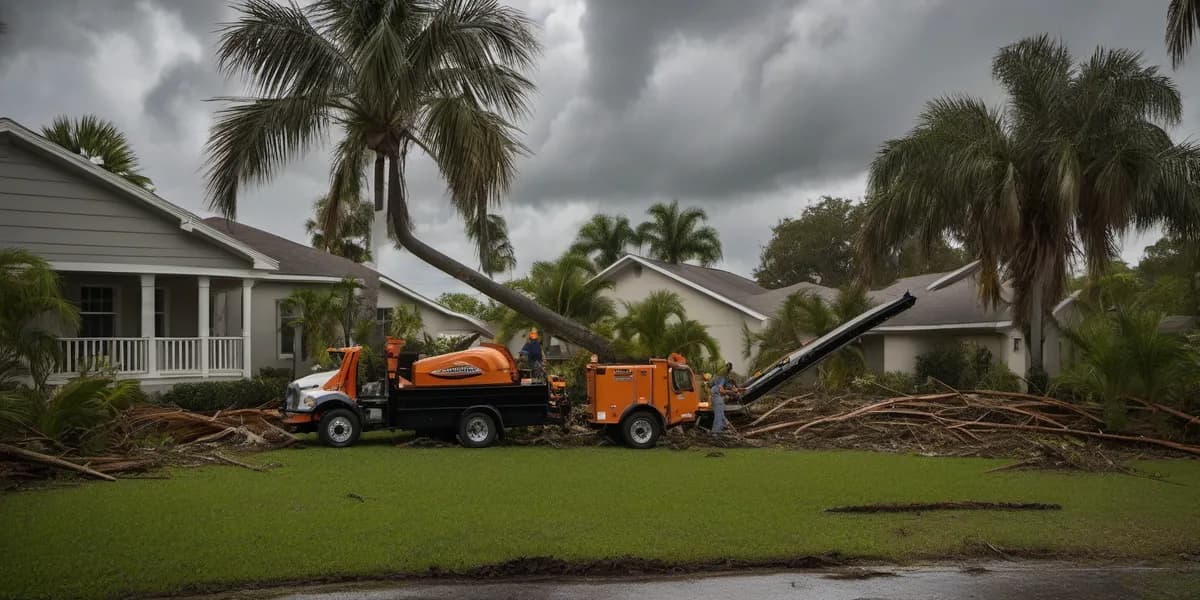
Hurricane Season Landscape Preparation for Florida Properties
Living in Florida means living with hurricane season. From June 1 through November 30, every property in the state faces the potential for tropical storms and hurricanes. While you cannot prevent a storm from hitting, you can absolutely prepare your landscape to minimize damage, reduce hazards, and recover quickly.
Proper landscape preparation is not just about protecting plants - it is about protecting your home, your family, and your neighbors. A poorly maintained tree that falls in a hurricane can destroy a roof, block evacuation routes, or injure someone. The time to prepare is now, not when a storm is three days away.
Pre-Season Preparation (March-May)
The work you do before hurricane season begins is the most important. Do not wait until June.
Tree Assessment and Trimming
Trees are the biggest liability in any hurricane. A professional arborist should evaluate every tree on your property for:
- Dead branches: Dead wood becomes projectiles in high winds. Remove all dead branches, even small ones.
- Crossing or rubbing branches: These create weak points that are prone to breaking.
- Dense canopy areas: Thin the canopy to allow wind to pass through rather than catching the tree like a sail. This is called crown thinning and is the single most effective tree preparation for hurricanes.
- Weak branch unions: V-shaped crotches (where two branches grow from the same point) are structurally weak. These should be reduced or removed where possible.
- Proximity to structures: Branches that overhang your roof, power lines, or neighbor's property should be cut back.
Palm Preparation
Palms are actually among the most wind-resistant plants in Florida - their flexible trunks and frond structure is designed to handle high winds. However:
- Remove dead fronds that could detach and become projectiles
- Remove heavy seed pods and coconut clusters
- Do NOT over-trim palms (the "hurricane cut" that removes most fronds actually makes palms more vulnerable, not less)
- Check for leaning palms that might indicate root problems
Shrub and Hedge Assessment
Overgrown shrubs and hedges can:
- Block windows and doors you might need as emergency exits
- Trap debris against your house
- Conceal damage that needs to be assessed after a storm
Trim hedges to a manageable size. Remove any shrubs that are dead, diseased, or structurally weak.
Hardscape Check
- Ensure all pavers, stones, and edging are secure - loose pieces become projectiles
- Check that retaining walls are structurally sound
- Verify that drainage channels and swales are clear of debris
- Ensure property drains away from the house - hurricane rain can dump 10+ inches in a single event
Storm Warning Preparation (48-72 Hours Before)
When a specific storm threatens your area:
Secure or Store Loose Items
- Bring in all potted plants, decorative items, and garden ornaments
- Store or secure outdoor furniture, grills, and equipment
- Remove or secure hanging baskets and wall-mounted decorations
- Coil and store garden hoses
- Secure garbage cans, recycling bins, and any loose yard items
Final Landscape Tasks
- Do a final mowing - shorter grass is less likely to harbor debris and standing water after the storm
- Turn off irrigation controllers (there will be plenty of water)
- Close and secure any outdoor kitchen covers or appliance covers
- Photograph your landscape from multiple angles for insurance documentation
Protect Vulnerable Plants
- Wrap young or tender trees with burlap or landscape fabric
- Stake newly planted trees (but not large established trees - staking can cause them to snap rather than flex)
- Cover delicate specimen plants with overturned containers or burlap
Post-Storm Recovery
After a hurricane or major storm, landscape recovery follows a priority sequence:
Immediate Safety (Day 1)
- Stay away from downed trees and power lines
- Do not attempt to remove trees touching power lines - call your utility company
- Document all damage with photos and video before cleanup begins
- Check for gas leaks if trees have impacted gas meters or lines
First Week
- Remove debris blocking walkways, driveways, and access points
- Cut and remove fallen branches from structures
- Assess tree damage - some damaged trees can be saved with professional pruning; others need to be removed
- Check irrigation system for damage (broken pipes, displaced heads, controller damage)
First Month
- Have a professional arborist assess damaged trees - some that look bad can recover, while others that look fine may have hidden structural damage
- Replant areas where plants were destroyed
- Flush salt-damaged plants with fresh water (storm surge deposits salt that kills plants)
- Resume normal lawn care once debris is cleared and the ground has dried
Long-Term Recovery
- Replace lost trees with wind-resistant species
- Reconsider plant placement - move vulnerable species away from structures
- Upgrade to more hurricane-resistant landscape design if significant replanting is needed
Wind-Resistant Plants for Florida Landscapes
When planting or replanting, choose species proven to withstand high winds:
Most Wind-Resistant Trees:
- Sabal palm (virtually hurricane-proof)
- Live oak (deep root system, flexible branches)
- Gumbo limbo (bends without breaking)
- Bald cypress (extremely wind-resistant)
- Crape myrtle (small enough to avoid major damage)
Most Wind-Resistant Palms:
- Sabal palm
- Pindo palm
- Pygmy date palm (small size)
- Coconut palm (naturally flexible)
Trees to Avoid in Hurricane Zones:
- Australian pine (extremely brittle, shallow roots)
- Laurel oak (large, weak wood, prone to splitting)
- Norfolk Island pine (tall, top-heavy, shallow roots)
- Queen palm (weak trunk, especially when young)
Professional Storm Preparation Services
Blue Collar Q provides pre-hurricane tree trimming, landscape assessment, and storm preparation services across Southwest Florida. Do not wait until storm warnings are issued - schedule your preparation now.
Call (239) 799-5594 to schedule a storm preparation assessment.
Get a free quote
Name and phone is all we need. Serving Cape Coral, Fort Myers and all of SW Florida.