Tree Trimming & Palm Tree Care in Southwest Florida
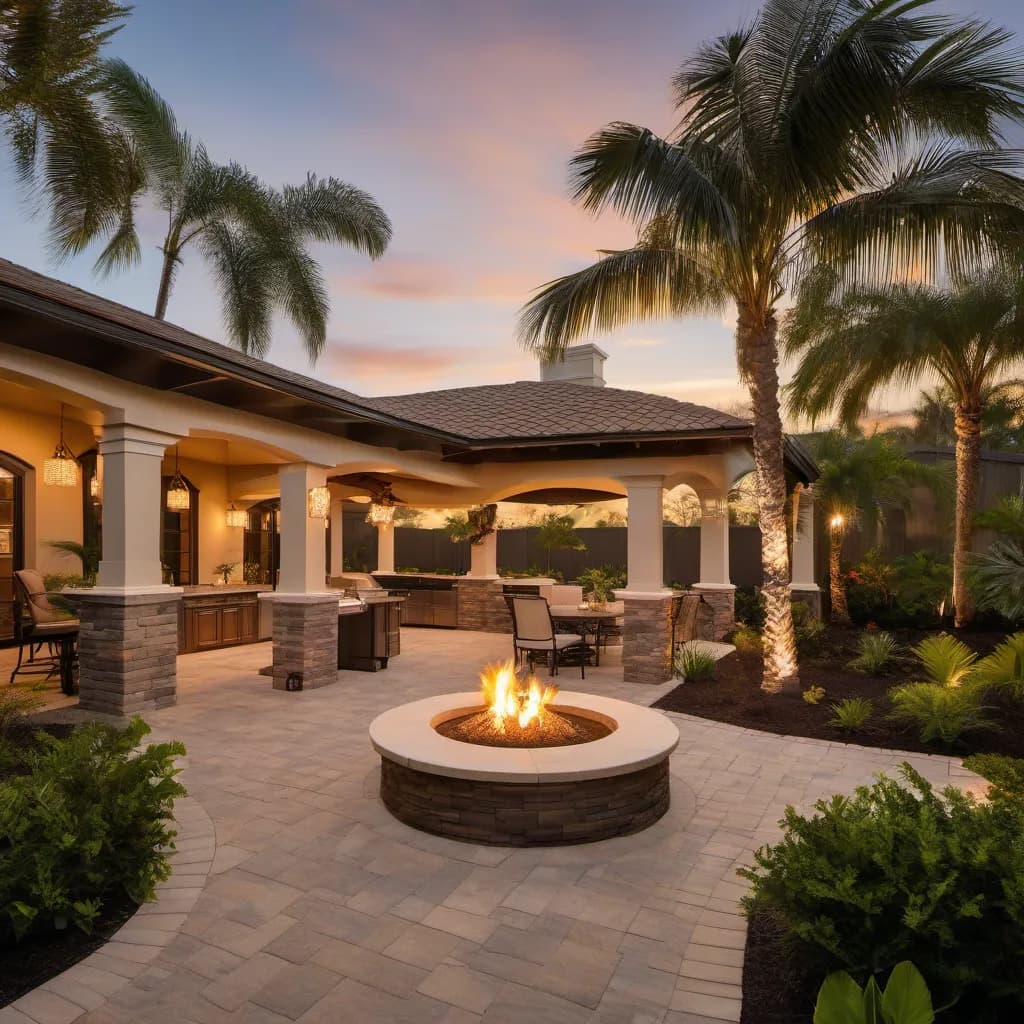
Tree Trimming and Palm Tree Care in Southwest Florida
Trees and palms are the backbone of every Southwest Florida landscape. They provide shade that makes outdoor living bearable in summer, they frame views and create privacy, and they represent a significant investment in your property's value. A mature live oak or a row of tall royal palms can be worth thousands of dollars.
But trees and palms need professional care to stay healthy, safe, and attractive. Neglected trees become hazards during storms, overgrown palms become eyesores, and improper trimming can permanently damage or kill valuable specimens.
Why Professional Tree Care Matters in SW Florida
Southwest Florida's climate creates specific tree care challenges:
Hurricane Risk: We live in a hurricane zone. Properly trimmed trees with balanced canopies and no dead wood are dramatically more wind-resistant than neglected trees. Storm preparation through regular trimming is the single most important thing you can do to protect your property and landscape investment.
Year-Round Growth: Trees in zone 10a grow continuously. Without regular trimming, canopies become dense, branches overhang structures and power lines, and lower limbs block walkways and sightlines.
Pest and Disease Pressure: Lethal bronzing disease (affecting palms), whitefly infestations, and various fungal diseases are active threats in Southwest Florida. Professional arborists identify these issues early, before they become fatal.
Common Trees in Southwest Florida Landscapes
Live Oak: The king of Florida shade trees. Live oaks can grow 60 feet wide with a massive, spreading canopy. They need regular trimming to lift the canopy, remove dead wood, and thin dense areas that catch wind during storms.
- Trimming frequency: Every 2-3 years for maintenance; annually for storm preparation
- Key concerns: Root damage from construction, Spanish moss buildup, lightning strikes
- Cost: $300-$800 per tree depending on size and access
Royal Palm: The iconic Florida palm with a smooth gray trunk and green crown shaft. Royal palms are self-cleaning (old fronds drop on their own) but benefit from periodic trimming of seed pods and any brown fronds.
- Trimming frequency: 1-2 times per year
- Key concerns: Lethal bronzing disease, nutritional deficiencies (potassium and manganese)
- Cost: $75-$250 per palm depending on height
Sabal Palm (Cabbage Palm): Florida's state tree. Sabal palms are incredibly tough and hurricane-resistant. They produce boots (old frond bases) that some homeowners like to keep for a natural look and others prefer removed for a smooth trunk.
- Trimming frequency: Annually for frond removal; boot removal is optional
- Key concerns: Over-trimming (hurricane cut) weakens the palm
- Cost: $50-$200 per palm
Coconut Palm: A tropical icon that produces coconuts (which become falling hazards when mature). Regular removal of coconut clusters is important for safety, especially near walkways, pools, and parking areas.
- Trimming frequency: 2-3 times per year
- Key concerns: Lethal yellowing disease, falling coconuts
- Cost: $75-$200 per palm
Mango, Avocado, and Citrus Trees: Fruit trees are common in Southwest Florida yards. They need annual pruning to maintain shape, control size, and promote fruit production.
- Trimming frequency: Annually, typically after fruiting season
- Key concerns: Citrus greening disease, over-pruning that reduces fruit production
- Cost: $100-$300 per tree
Proper Trimming Techniques
Professional tree care follows specific techniques that protect tree health:
Crown Cleaning: Removing dead, diseased, and crossing branches from the canopy. This is the most basic and important maintenance trim.
Crown Thinning: Selectively removing branches throughout the canopy to reduce density. This allows wind to pass through the tree rather than catching it like a sail during storms.
Crown Lifting: Removing lower branches to increase clearance over walkways, driveways, and structures. In Southwest Florida, canopy lifting is essential for maintaining usable outdoor space beneath shade trees.
Crown Reduction: Reducing the overall size of the canopy by cutting back to lateral branches. This is used when trees have outgrown their space but should be done conservatively to avoid stress.
Palm Trimming Best Practices
Palms are not trees - they are monocots - and they require different care:
The 9 and 3 Rule: Never remove fronds above the horizontal (9 o'clock to 3 o'clock position). Removing green fronds above this line robs the palm of energy and weakens it. The "hurricane cut" (removing all but a few top fronds) is actually harmful and makes palms less wind-resistant, not more.
Leave Green Fronds: Only remove fronds that are completely brown or significantly yellow. Green fronds are actively producing energy for the palm. Removing them forces the palm to draw nutrients from its trunk, weakening it over time.
Remove Seed Pods: Seed pod removal is mostly cosmetic for most palm species but is important for coconut palms (falling coconuts) and queen palms (messy fruit drop that attracts rats).
Check for Disease: During every trimming, a qualified arborist should inspect for signs of lethal bronzing, Ganoderma butt rot, and nutritional deficiencies. Early detection saves palms; late detection often means removal.
When to Schedule Tree Care
Best timing for general trimming: Late winter to early spring (January through March) in Southwest Florida. This is the slow-growth period, which means less stress on trees and slower regrowth.
Storm preparation trimming: Schedule before June 1 (the start of hurricane season). Do not wait until a storm is approaching - tree services are overwhelmed during storm warnings and may not be able to reach your property.
Emergency tree service: After storms, fallen trees and hanging branches need immediate attention. Establish a relationship with a tree care provider before storm season so you are a priority client when emergencies happen.
Tree Removal: When It Is Necessary
Sometimes trees must come down:
- Dead or dying trees that pose a falling hazard
- Trees with severe root damage undermining foundations or sidewalks
- Trees too close to structures (less than 10 feet from the house)
- Trees with irreversible disease (like lethal bronzing in palms)
Tree removal costs in Southwest Florida range from $500 for a small palm to $3,000+ for a large live oak. Always get a written estimate that includes stump grinding, debris removal, and cleanup.
Professional Tree Care Across Southwest Florida
Blue Collar Q provides tree trimming, palm care, and tree removal across Cape Coral, Fort Myers, and the greater Southwest Florida area. Our crews follow industry best practices to keep your trees healthy, safe, and beautiful.
Call (239) 799-5594 for a free tree care estimate.
Get a free tree trimming quote
Name and phone is all we need. Serving Cape Coral, Fort Myers and all of SW Florida.