Venice FL Landscaping: Coastal Properties Done Right
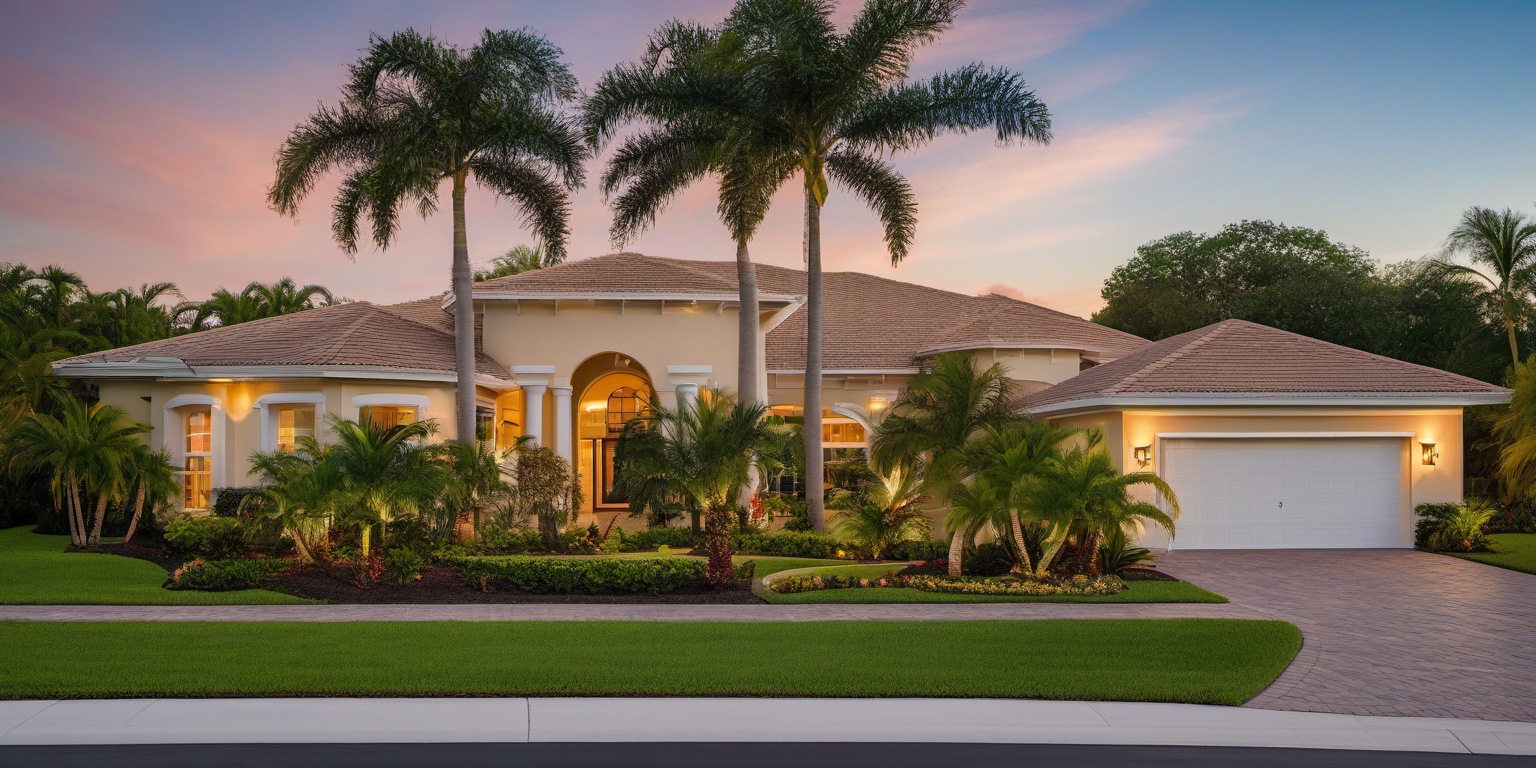
Landscaping Coastal Properties in Venice FL
Venice is one of the most charming coastal cities on Florida's Gulf Coast. Known for its shark tooth beaches, Italian-inspired downtown, and beautiful waterfront neighborhoods, Venice attracts homeowners who appreciate aesthetics and quality of life. But Venice's coastal location creates specific landscaping challenges that inland properties do not face.
If you own property in Venice — whether it is a beachfront home on the island, a canal-front property in Venezia Park, or a home in one of the many gated communities along Jacaranda Boulevard — this guide will help you understand what it takes to create and maintain a beautiful landscape in a coastal environment.
The Coastal Challenge
Venice sits directly on the Gulf of Mexico, which means properties here deal with:
Salt Air: The biggest challenge. Salt spray carried by onshore breezes can travel several blocks inland. Salt damages plant foliage, corrodes metal fixtures, and changes soil chemistry over time. Properties within a quarter mile of the beach experience the most intense salt exposure.
Sandy Soil: Venice's soil is predominantly sand with very low organic matter content. Sand drains quickly, holds few nutrients, and has a neutral to slightly alkaline pH. Without soil amendments, most plants struggle to establish strong root systems.
Wind Exposure: Gulf breezes are pleasant for people but stressful for plants. Constant wind increases transpiration (water loss through leaves), which means plants dry out faster. Wind also shapes growth patterns — trees and shrubs on exposed properties often lean away from the prevailing wind.
Storm Surge Risk: Properties in flood zones need landscaping designed to handle occasional inundation. This affects plant selection, hardscape materials, and drainage design.
Salt-Tolerant Plants for Venice
The key to successful coastal landscaping in Venice is choosing plants that naturally tolerate salt exposure:
Trees: - Sabal palm — Florida's toughest coastal palm - Gumbo limbo — nicknamed the "tourist tree" for its peeling bark, extremely salt-tolerant - Sea grape — the quintessential Florida coastal tree - Live oak — surprisingly salt-tolerant once established - Coconut palm — thrives in coastal Venice (zone 10a is its northern limit)
Shrubs: - Green buttonwood — one of the most salt-tolerant native shrubs - Simpson's stopper — compact, fragrant, and coastal-tough - Saw palmetto — native, low-maintenance, and virtually indestructible - Natal plum — salt-tolerant with fragrant white flowers - Oleander — excellent coastal screening plant (note: all parts are toxic)
Groundcovers: - Beach sunflower — native, cheerful yellow flowers, spreads aggressively in sand - Railroad vine — native coastal groundcover for large areas - Perennial peanut — nitrogen-fixing, low-growing, salt-tolerant - Asiatic jasmine — dense evergreen groundcover that handles moderate salt
Hardscaping for Coastal Venice Properties
Hardscape materials in coastal environments must resist salt corrosion and handle exposure to the elements:
Best Choices: - Travertine pavers — natural stone that weathers beautifully in coastal settings - Concrete pavers with sealed finish — affordable and durable - Tabby concrete — a historic coastal material made with oyster shells - Natural coquina stone — locally sourced and perfectly suited to coastal aesthetics
Materials to Avoid: - Untreated metal edging (corrodes quickly) - Standard pressure-treated wood (deteriorates faster in salt air) - Cheap concrete without proper sealant (spalls and cracks)
Irrigation Considerations
Venice properties require thoughtful irrigation design:
- Sandy soil drains fast, so shorter, more frequent watering cycles work better than long, infrequent soaking
- Sarasota County water restrictions apply — typically two days per week during dry season
- Drip irrigation is especially effective in planting beds because it delivers water directly to roots without wetting foliage (wet foliage + salt air = leaf burn)
- Reclaimed water is available in many Venice communities and is ideal for landscape irrigation
Wind Protection Strategies
Creating wind breaks and sheltered microclimates allows you to grow a wider variety of plants on exposed Venice properties:
- **Layered screening**: Plant tall palms as the first windbreak, medium shrubs behind them, and smaller ornamentals in the protected zone
- **Structural windbreaks**: Pergolas, walls, and fences create immediate wind protection for seating areas and delicate plants
- **Living walls**: Green buttonwood and clusia hedges create dense, attractive wind barriers that actually improve with coastal exposure
Maintaining a Coastal Landscape
Coastal landscapes in Venice need slightly different maintenance than inland properties:
- **Rinse plants periodically** during dry, windy periods to wash salt deposits off foliage
- **Fertilize more frequently** with slow-release products — sandy soil loses nutrients faster
- **Monitor for salt damage** (brown leaf edges, wilting despite adequate water) and flush the soil with fresh water when needed
- **Keep mulch thick** (3–4 inches) to retain moisture in fast-draining sand
---
Coastal Landscaping Expertise for Venice
Blue Collar Q understands the unique challenges of coastal Florida landscaping. We design and install landscapes specifically suited to Venice's salt air, sandy soil, and Gulf Coast conditions.
Call or text (239) 799-5594 for a free consultation on your Venice property. See our portfolio and services online.
Ready to Get Started?
Free estimate + free 3D render. Serving Cape Coral & all of SW Florida.