"10 Essential Tips to Prepare Your Cape Coral Lawn for Hurricane Season: A Step-by-Step Guide"
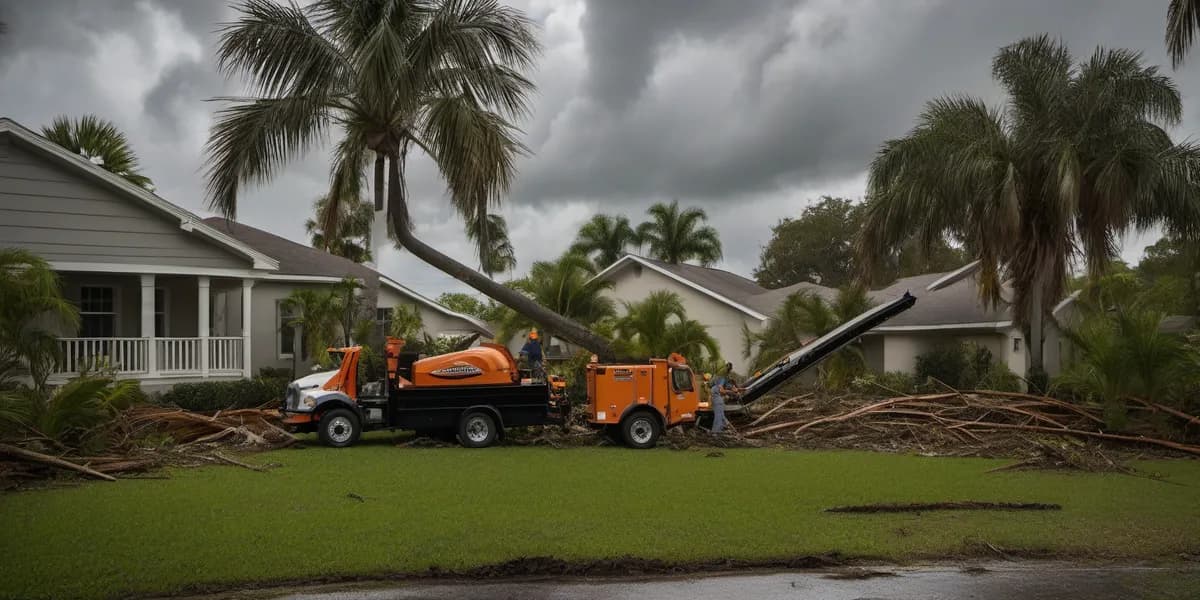
10 Essential Tips to Prepare Your Cape Coral Lawn for Hurricane Season: A Step-by-Step Guide
Hurricane season in Florida is no joke, and Cape Coral residents need to be prepared. With strong winds, heavy rains, and the potential for storm surges, it’s essential to take proactive measures to protect your lawn and landscape from damage. Here are ten essential tips to help you prepare your Cape Coral lawn for hurricane season:
#### 1. Prune Trees and Shrubs One of the first steps in preparing your yard for a hurricane is pruning overgrown trees and shrubs. This not only helps prevent them from becoming top-heavy and falling but also reduces wind resistance, making it less likely that they will be uprooted or blown over.
- When to Prune: Aim to prune during the late spring before hurricane season starts.
- What to Cut: Remove dead branches, trim back any limbs hanging too close to your home, and reduce the overall size of trees to minimize their wind profile.
#### 2. Secure Outdoor Furniture Outdoor furniture can become dangerous projectiles in high winds, so securing it is crucial. Bring lightweight items indoors if possible or anchor heavier pieces to the ground using straps or chains attached to stakes driven into the soil.
- What to Remove: Tables, chairs, planters, and other loose objects that could cause damage.
- How to Secure: Use heavy-duty ties or bungee cords to hold furniture in place. For larger items like grills or fire pits, build a protective frame around them using lumber and concrete blocks.
#### 3. Reinforce Your Landscape Strengthen your landscape by adding support structures like stakes, guy wires, or tree cages to help stabilize trees and shrubs that might be vulnerable during strong winds.
- What to Support: Young trees, newly planted vegetation, and any mature trees showing signs of instability.
- How to Install: Use galvanized steel stakes or wooden posts and secure them firmly into the ground. Attach guy wires at a 45-degree angle from each stake to provide maximum support.
#### 4. Clean Gutters and Downspouts Ensure that your gutters are clear of debris so they can effectively manage heavy rainfall during hurricanes. Clogged gutters lead to water overflow, which may cause damage to your roof and foundation.
- How Often: Check and clean gutters twice a year - before hurricane season begins in May/June and again in September/October.
- Tools Needed: A garden hose, ladder, bucket, gloves, and a gutter scoop or leaf blower.
#### 5. Elevate Valuable Plants If you have valuable plants that are not hurricane-resistant, consider elevating them to minimize the risk of flooding damage. Use raised beds or planters with drainage holes for this purpose.
- What to Elevate: Tropical plants like hibiscus and plumeria, as well as potted herbs and flowers.
- How to Do It: Build a small platform using bricks or wooden frames, ensuring it’s at least 6 inches off the ground. Fill raised beds with high-quality potting soil for better drainage.
#### 6. Protect Your Irrigation System An irrigation system can be damaged by debris and flooding during hurricanes. Cover or remove heads to prevent clogging and potential damage from flying objects.
- What to Do: Disconnect automatic timers, cover sprinkler heads with waterproof tape, and drain any exposed pipes.
- Tip: Document your irrigation setup before hurricane season so you know what needs replacing after a storm.
#### 7. Stock Up on Supplies Before the hurricane hits, gather essential supplies such as tarps, plastic sheeting, sandbags, and landscaping tools (rakes, shovels, pruners). These items will be crucial for quick repairs post-storm.
- Where to Buy: Home improvement stores like Lowe’s or Home Depot usually have a good selection of emergency materials.
- How Much?: Aim to purchase enough supplies for immediate repair needs without overbuying.
#### 8. Prepare Your Yard Lighting Yard lights can be easily damaged by strong winds and heavy rain, so take steps to protect them. Unscrew bulbs, remove solar panels, or disconnect battery-powered units from their bases and store them indoors.
- What to Remove: Solar lights, ground stakes for string lights, and any other outdoor lighting fixtures.
- How to Store Safely: Keep all components in a dry, secure area away from potential water damage. Label each component clearly so reinstallation is easier post-storm.
#### 9. Plan an Emergency Exit Route In case of evacuation orders or severe conditions that make staying at home unsafe, ensure you have a clear exit route planned for yourself and your pets.
- Where to Go: Identify local shelters in advance through the Cape Coral Emergency Management website.
- What to Bring: Pack essential items like pet carriers, food supplies, first aid kits, medications, important documents (insurance policies), and cash.
#### 10. Stay Informed Stay updated with local weather forecasts and alerts issued by reliable sources such as the National Weather Service or your city’s emergency management department. Follow their guidelines closely to ensure you’re taking appropriate safety measures leading up to any potential storms.
- How to Get Updates: Sign up for text message alerts, download apps like Hurricane Monitor, and follow local news stations on social media.
- When to Act: If a hurricane watch or warning is issued, immediately start implementing your preparedness plan.
By following these ten essential tips, you can safeguard your Cape Coral lawn against the worst of what hurricane season might bring. Stay safe and stay informed!
Get a free quote
Name and phone is all we need. Serving Cape Coral, Fort Myers and all of SW Florida.