"5 Essential Lawn Care Tasks to Do in Cape Coral After Hurricane Season"
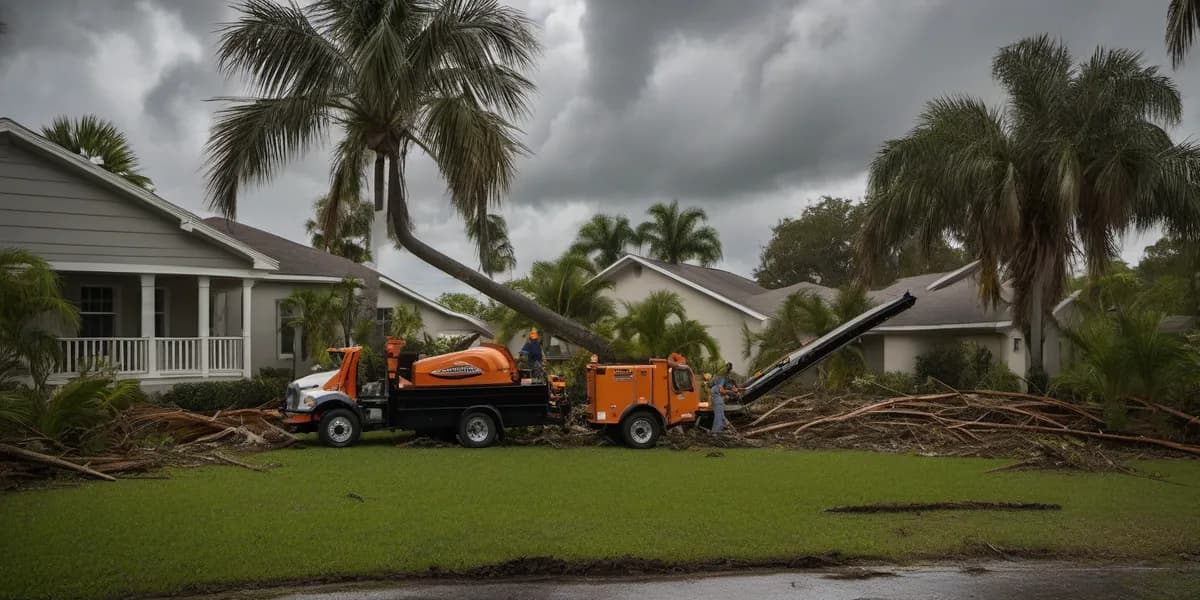
5 Essential Lawn Care Tasks to Do in Cape Coral After Hurricane Season
Hurricane season can take a significant toll on your lawn and landscaping, leaving you with debris, uprooted plants, and damaged irrigation systems. As the winds die down and the rains stop, it's crucial to address these issues promptly to ensure that your lawn recovers quickly and remains healthy for the upcoming seasons. Here are five essential tasks to prioritize after hurricane season in Cape Coral.
#### 1. Clear Debris from Your Lawn
The aftermath of a hurricane often leaves behind a lot of debris on your property, including branches, leaves, and other detritus. This debris can smother grass and prevent it from receiving the sunlight and nutrients it needs to thrive. The first step in lawn care after a storm is removing all visible debris.
- Gather Tools: Use garden gloves, rakes, and garbage bags for this task.
- Start Small: Begin by clearing one area at a time to avoid overwhelming yourself with too much work at once.
- Check Hidden Areas: Pay special attention to areas under trees or near fences where debris might be hidden.
#### 2. Inspect Your Irrigation System
After heavy rains and strong winds, your irrigation system may suffer damage that you can't immediately see from above ground. A broken sprinkler head or a clogged filter could prevent water from reaching parts of your lawn evenly.
- Look for Obvious Damage: Check each sprinkler head to ensure it's not cracked or missing.
- Test the System: Turn on your irrigation system and observe where water is coming out of each zone. If you notice any discrepancies, such as areas that don't get wet at all or are overly saturated, this could indicate a blockage or broken valve.
#### 3. Aerate Your Lawn
Aerating your lawn after hurricane season can help it recover from the compaction caused by rain and wind. Aerating involves removing small plugs of soil to allow water, air, nutrients, and fertilizer to reach grass roots more effectively.
- Choose the Right Time: Early fall is ideal for aerating because the cooler weather helps encourage root growth.
- Rent Equipment or Hire a Professional: If you have a large lawn, renting an aerator might be more practical than trying to do it manually. Alternatively, many local landscaping services offer this service.
#### 4. Overseed Your Lawn
Overseeding your lawn with grass seed can help fill in bare patches and improve the overall health of your turf. This step is particularly beneficial if your lawn has been stripped during the storm or if you're noticing thin spots due to heavy rainfall.
- Choose Appropriate Seed: Select a type of grass that thrives in Florida's climate, such as Bermuda grass or St. Augustine grass.
- Timing Is Key: Late summer and early fall are excellent times for overseeding because temperatures remain warm enough for germination but not so hot that the seed will dry out quickly.
#### 5. Fertilize Your Lawn
After hurricane season, fertilizing your lawn is crucial to help it recover from nutrient depletion caused by heavy rains and winds. A balanced fertilizer with a ratio like 16-4-8 or 19-5-9 can provide the necessary nutrients for healthy growth.
- Apply Evenly: Spread the fertilizer evenly across your lawn using a broadcast spreader.
- Water After Application: Give your lawn a good soaking after fertilizing to help the nutrients penetrate into the soil and roots.
By following these essential tasks, you'll set your lawn up for success in the post-hurricane season. Regular maintenance will ensure that your outdoor space remains lush, green, and inviting all year round. If any task seems overwhelming or if you're unsure about how to proceed, consider consulting with a local landscaping professional who can offer expert advice tailored specifically to Cape Coral’s unique climate and conditions.
Happy gardening!
Get a free quote
Name and phone is all we need. Serving Cape Coral, Fort Myers and all of SW Florida.