Eco-Friendly Garden Bed Installation Options in Cape Coral, Florida
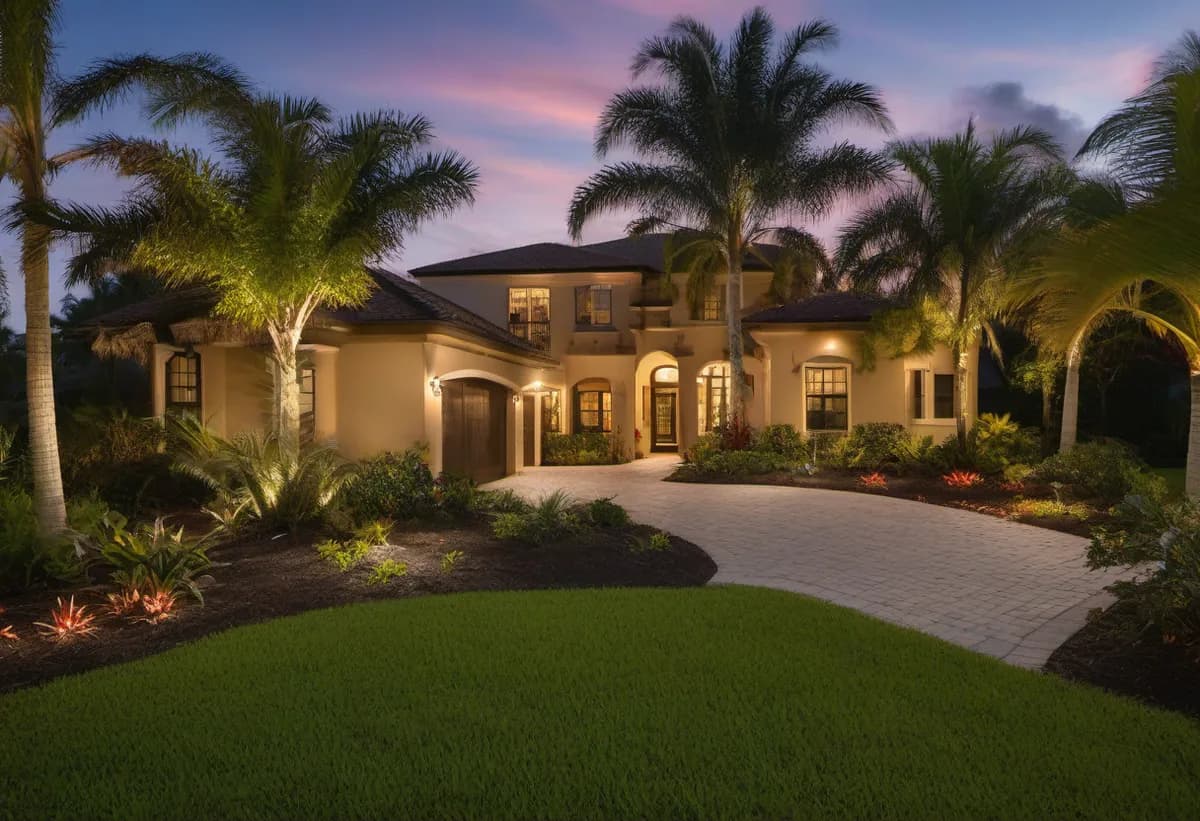
If you're looking to enhance your outdoor space with an environmentally conscious approach in Cape Coral, Florida, this guide is for you. From selecting the right materials to installing garden beds that thrive in our subtropical climate, we’ll walk you through everything you need to know.
Understanding Eco-Friendly Landscaping in Cape Coral
Eco-friendly landscaping focuses on creating sustainable and low-maintenance outdoor spaces using native plants, recycled materials, and water-efficient practices. In Cape Coral, where the weather can be hot and humid with heavy rainfall from June to September, it’s crucial to choose plants and design elements that suit our unique environment.
Key Benefits of Eco-Friendly Garden Beds
- Water Conservation: Native plants require less watering.
- Reduced Chemical Use: Promotes natural pest control and nutrient-rich soil.
- Carbon Footprint Reduction: Utilizes recycled materials and energy-efficient systems.
- Biodiversity Support: Attracts local wildlife, enhancing your garden’s ecosystem.
Choosing the Right Garden Bed Materials
Selecting the right materials is crucial for an eco-friendly garden bed installation in Cape Coral. Here are some sustainable options:
Recycled Plastic
Recycled plastic garden beds offer durability and resistance to moisture damage, making them ideal for our humid climate. They come in various colors and sizes to match your aesthetic preferences.
Cost Range: $50-$150 per 4x8-foot bed
Natural Wood
Untreated cedar or cypress wood is an excellent choice due to their natural rot resistance. These materials blend beautifully with the surroundings, creating a rustic yet elegant look in Cape Coral neighborhoods like SE Cape and NW Cape.
Cost Range: $30-$50 per 4x8-foot bed
Stone and Rock
Local stone or rock can be used to create raised beds that integrate seamlessly into your landscape. These materials are also great for bordering flowerbeds around landmarks such as the Cape Coral Yacht Club.
Cost Range: $70-$120 per square foot, depending on type and quantity
Design Considerations for Eco-Friendly Garden Beds
When designing your garden beds in Cape Coral, consider factors like sun exposure, soil quality, and water drainage. Our sandy soil requires plants that can tolerate poor nutrient levels and high salt content.
Sunlight Exposure
Most vegetables and flowers need at least six hours of direct sunlight daily. In areas where full sun is scarce, choose shade-tolerant varieties or install reflective surfaces to increase light penetration.
Soil Quality
Improve your garden bed soil by adding compost made from kitchen scraps and yard waste. This natural fertilizer enhances plant health while reducing landfill usage in Cape Coral’s local community.
Water Management
Install drip irrigation systems for efficient watering, minimizing runoff and evaporation losses common during Florida’s summer rains.
Plant Selection Tips for Cape Coral’s Climate
Selecting the right plants is key to a successful eco-friendly garden bed installation. Here are some plant types that thrive in our environment:
Native Plants
Native plants are adapted to local conditions, requiring less water and maintenance. They also support local wildlife like bees and butterflies.
Examples: Firebush (Hamelia patens), Red Salvia (Salvia coccinea)
Edible Greens
Cape Coral’s warm climate is perfect for growing leafy greens year-round. Opt for varieties that can handle partial shade to avoid midday sun damage.
Examples: Lettuce, Kale, Spinach
Hardy Shrubs and Vines
Shrubs like Indian Hawthorn (Rhapiolepis indica) provide structure while adding beauty with minimal care needed due to their drought tolerance.
Installation Process: Step-by-Step Guide
Installing garden beds in Cape Coral requires careful planning. Follow these steps for a successful project:
Step 1: Site Preparation
Clear the area of grass and weeds, ensuring proper drainage. If using raised beds, level the ground slightly below the bed height to prevent water pooling.
Step 2: Constructing Beds
Assemble your chosen materials following manufacturer instructions or consult professionals like those at Blue Collar Q for guidance specific to Cape Coral’s climate conditions.
Step 3: Soil and Planting
Fill beds with a mixture of composted soil and mulch. Use native plants when possible, spacing them according to growth habits.
Seasonal Advice for Garden Bed Maintenance
Maintaining your garden bed throughout the year ensures longevity and beauty. Here are some tips:
Spring
- Plant Annuals: Fill gaps left by winter with colorful annual flowers.
- Fertilize Plants: Use slow-release fertilizers to nourish plants without overloading.
Summer
- Water Wisely: Set up a drip irrigation system to avoid waste from overhead watering during heavy rains.
- Monitor Growth: Prune and train climbing vines as needed, ensuring they don’t become invasive.
Fall
- Prepare for Winter: Start planting cool-season vegetables like broccoli and carrots. Apply mulch around existing plants to insulate against cold nights.
Winter
- Protect New Plants: Cover young plants during occasional frost events.
- Prune Dead Wood: Remove any dead or diseased branches from shrubs and trees, promoting healthy regrowth in spring.
FAQ: Common Questions About Eco-Friendly Garden Beds
Q: How do I choose between raised beds and ground-level planters?
A: Raised beds are ideal for areas with poor soil quality due to their isolation from the surrounding earth. Ground-level planters work well when you want a seamless integration into your existing landscaping design.
Q: What plants can tolerate Cape Coral’s sandy soil?
A: Plants like Sea Oats (Uniola paniculata) and Coastal Sagebrush (Artemisia californica) are naturally adapted to our sandy soils, requiring minimal amendment for healthy growth.
Q: Can I use recycled materials beyond plastic for my garden beds?
A: Yes! Reclaimed wood from construction sites or old pallets can be repurposed into functional planters after proper treatment. Ensure any treated woods (like pressure-treated) are avoided to prevent chemical leaching into your soil.
Call to Action
Ready to start your eco-friendly garden bed installation project in Cape Coral, Florida? Contact Blue Collar Q today at (239) 799-5594 or visit bluecollarq.net for expert advice and personalized landscaping solutions tailored specifically for our unique climate.
Related Reading from Blue Collar Q
- Sod Installation Services in Englewood, FL - Blue Collar Q
- Tree Trimming Services in Golden Gate, FL - Blue Collar Q
- Garden Bed Installation Services in Sanibel, FL - Blue Collar Q
- Mulching Services in Naples, FL - Blue Collar Q
- Stump Removal Services in Marco Island, FL - Blue Collar Q
Local Services & City Pages
Get a free quote
Name and phone is all we need. Serving Cape Coral, Fort Myers and all of SW Florida.