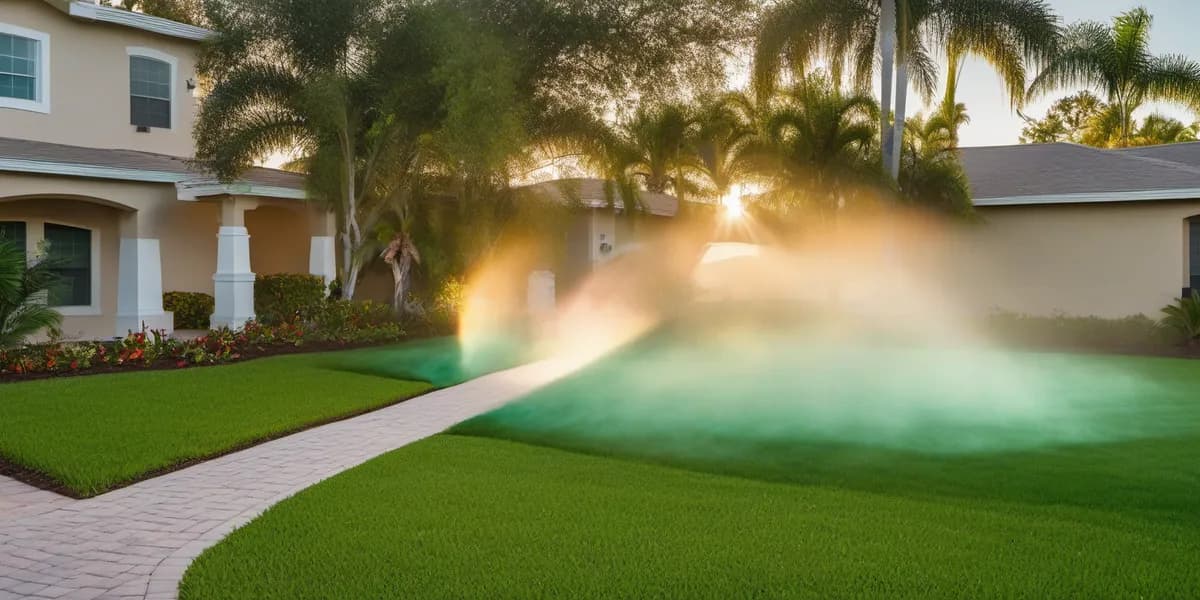
Looking to install sod in Fort Myers? This guide covers the practical steps and local considerations for a successful lawn. Whether you're starting from scratch or replacing an old lawn, we're here to help.
Soil Preparation is Key
Before installing sod, proper soil preparation is essential. In Southwest Florida, many lawns sit on sandy soil, which drains quickly and may lack nutrients. To ensure your new sod takes root and thrives, we recommend:
- Testing the soil pH and nutrient levels to determine if amendments are needed
- Removing any existing debris, rocks, or old sod
- Leveling the ground to prevent water pooling and ensure even growth
- Adding a layer of topsoil or compost to improve soil quality and moisture retention
A well-prepared soil bed is the foundation of a healthy lawn and will significantly impact the long-term success of your sod installation.
Salt and Water Management
Living near the coast means dealing with salt exposure, especially if you're close to the Gulf of Mexico. Salt can damage grass over time, leading to patchy, unhealthy lawns. To combat this:
- Choose sod varieties that are salt-tolerant, such as St. Augustine or Zoysia
- Install a drip irrigation system or use soaker hoses to water deeply and evenly
- Avoid overwatering, as it can lead to root rot and other issues
- Consider installing a drainage system if you're in an area with high salt exposure or frequent flooding
Proper water management and salt resistance are important factors in maintaining a lush, green lawn in Fort Myers.
Handling Heat and Drought
Fort Myers experiences hot, dry summers, which can stress new sod. To help your lawn survive the heat:
- Water your sod immediately after installation and continue watering daily for the first two weeks
- Water early in the morning to reduce evaporation and ensure the roots get enough moisture
- Avoid walking on the sod for the first few weeks to allow roots to establish
- Choose heat-tolerant grass varieties that are well-suited for SW Florida's climate
With the right care and the right type of sod, your lawn can withstand the intense Florida sun and still look great.
Navigating Rainy and Dry Seasons
Southwest Florida has distinct rainy and dry seasons, which can affect your lawn's health. During the rainy season, you may need to adjust your watering schedule to avoid over-saturation. During the dry season, proper irrigation becomes even more important. Here's what to consider:
- During the rainy season, monitor your lawn for signs of waterlogging and adjust irrigation accordingly
- In dry months, maintain a consistent watering schedule to keep the soil moist but not soaked
- Install a smart irrigation system that adjusts based on weather conditions
- Use mulch around landscape beds to help retain moisture and reduce evaporation
Understanding the seasonal changes in Fort Myers will help you maintain a healthy lawn year-round.
HOA Rules and Lee County Norms
If you're part of a homeowners association, you may need to follow specific guidelines for lawn care and sod installation. In Lee County, some HOAs have rules about lawn height, grass type, and maintenance schedules. To stay in compliance:
- Review your HOA's covenants and bylaws before installing sod
- Choose a grass type that meets any HOA requirements
- Schedule your sod installation during a time that aligns with your HOA's maintenance calendar
- Keep your lawn well-maintained to avoid any issues with the HOA
Understanding local regulations and HOA rules can prevent unnecessary complications and ensure your new lawn meets all requirements.
Get Started with Your Sod Installation
Ready to transform your yard with new sod? We're here to help you every step of the way. From soil preparation to installation, we provide professional, reliable service tailored to the unique needs of Fort Myers homeowners.
Schedule a consultation to discuss your project and get a personalized estimate. Our team is experienced in handling all aspects of sod installation, and we're committed to delivering quality results that last. Contact us at (239) 799-5594 for more information or to request a quote.
Dealing with Soil Salinity in Southwest Florida
Southwest Florida's coastal proximity means many properties experience soil salinity, especially in areas near the Gulf of Mexico. High salt levels can damage grass roots and hinder sod establishment. To combat this, consider using a soil test to determine salinity levels before installation. If salt buildup is an issue, opt for grass varieties known for salt tolerance, such as St. Augustine or Zoysia. Additionally, regular flushing of the soil with fresh water can help reduce salt concentration over time. Avoid using seawater or brackish water for irrigation, and ensure proper drainage to prevent salt accumulation. Taking these steps can significantly improve the long-term health and appearance of your sod in Fort Myers.
Managing Pest and Disease Pressure in a Humid Climate
The warm, humid climate of Fort Myers creates ideal conditions for lawn pests and diseases, such as chinch bugs, armyworms, and fungal infections. To protect your new sod, it's important to take proactive measures. Inspect your lawn regularly for signs of infestation, such as yellowing grass or unusual insect activity. Use organic or eco-friendly pest control methods when possible to avoid harming beneficial insects or the environment. Proper mowing and watering practices also play a role in preventing disease outbreaks. Keeping grass at the appropriate height and avoiding overwatering can reduce humidity around the base of the grass, making it less hospitable to fungi. Working with a local lawn care professional familiar with Southwest Florida’s common pests and diseases can help you maintain a healthy, vibrant lawn.
Helpful next steps: see our sod installation page, see our sod installation page.
Related Reading from Blue Collar Q
- Sod Installation in Naples, Florida
- Sod Installation in Lehigh Acres, FL
- Hurricane Cleanup in Estero, Florida
Local Services & City Pages
Frequently asked questions
How do I prepare my soil for sod installation in Fort Myers?
Test your soil ph and nutrient levels, remove debris and level the ground, then add topsoil or compost to improve quality and moisture retention.
What type of sod is best for Fort Myers climate?
Choose salt-tolerant varieties like st. Augustine or zoysia that can handle SW Florida's heat, salt exposure, and sandy soil conditions.
How often should I water new sod in Fort Myers?
Water your new sod immediately after installation and daily for the first two weeks, preferably early in the morning to reduce evaporation.
How do I protect my lawn from salt damage in Fort Myers?
Use salt-tolerant grass varieties and install a drip irrigation system to water deeply, avoiding overwatering and ensuring proper drainage.
Get a free sod quote
Name and phone is all we need. Serving Cape Coral, Fort Myers and all of SW Florida.