"Spring Allergies in Cape Coral: How Proper Lawn Care Can Help Reduce Symptoms"
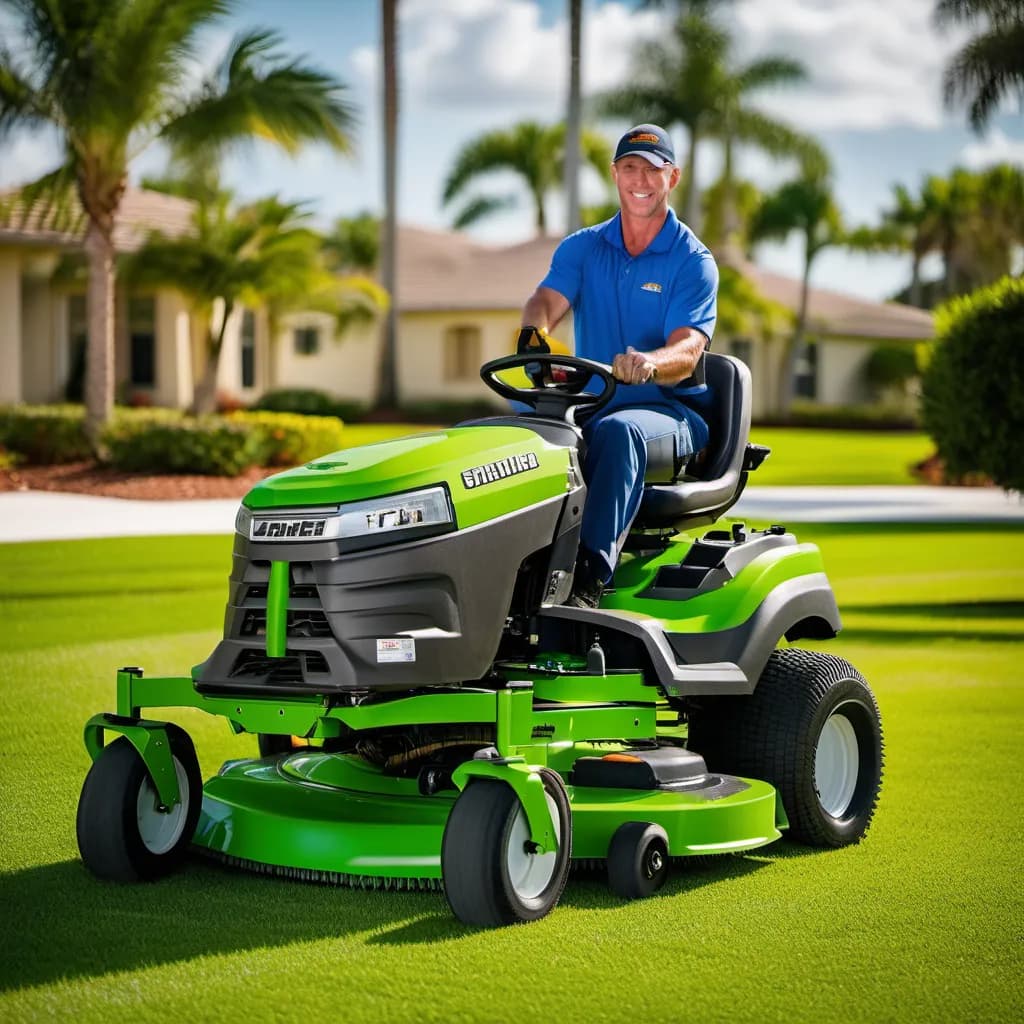
Spring Allergies in Cape Coral: How Proper Lawn Care Can Help Reduce Symptoms
As the sun starts to warm up and the days grow longer, spring is here in Cape Coral! For many residents, however, this season brings more than just blooming flowers - it also triggers allergies. While it might seem counterintuitive, proper lawn care can significantly reduce your allergy symptoms. Here’s how.
#### Why Spring Allergies Hit So Hard
Spring allergies are primarily caused by pollen from trees, grasses, and weeds. Cape Coral is no exception; the city's lush greenery means a lot of airborne allergens during springtime. Pollen counts peak during this season, making it challenging for allergy sufferers to enjoy outdoor activities.
#### How Proper Lawn Care Can Make a Difference
While you can’t completely eliminate pollen from your environment, there are ways lawn care practices can help mitigate its presence:
##### 1. Regular Mowing
Keeping your grass at an optimal height is crucial not just for aesthetics but also for reducing allergen levels. Shorter grass means fewer flowers and seeds that produce pollen. Aim to mow twice a week during peak growth periods, ensuring you don’t let the grass grow taller than three inches.
##### 2. Watering Wisely
Overwatering your lawn can lead to excessive plant growth, increasing pollen production. Water early in the morning when it’s cooler and less windy; this allows foliage to dry out quickly, reducing mold spore development.
##### 3. Choosing Pollen-Free Grasses
If you’re redoing your lawn, consider planting grass varieties that produce little or no pollen, such as Bermuda grass, which is relatively low-pollen compared to others like Kentucky bluegrass and ryegrass.
##### 4. Regular Aeration
Aerating your lawn helps reduce thatch (the layer of dead plant material above the soil), which can harbor mold spores. By breaking up compacted soil, you improve air circulation and prevent excessive moisture buildup, reducing allergens.
##### 5. Maintain a Healthy Lawn Environment
A well-maintained lawn is less likely to attract weeds that produce allergenic pollen. Use selective herbicides or hand-pull weeds as they appear rather than letting them take over your yard.
#### Additional Tips for Managing Allergies
While tending to your lawn is crucial, there are additional steps you can take to minimize your exposure to allergens:
- Keep Outdoor Shoes Outdoors: Pollen sticks to shoes and clothing. Remove these items at the door or in a mudroom.
- Regular Cleaning: Dust and vacuum regularly to remove pollen that accumulates inside your home.
- Monitor Pollen Counts: Check local weather reports for daily pollen counts, especially during peak allergy season.
#### Conclusion
Spring allergies can be challenging to manage, but with proactive lawn care practices, you can significantly reduce symptoms. By mowing regularly, watering wisely, choosing the right grasses, aerating your soil, and maintaining a clean environment, you’ll enjoy the beauty of spring without suffering from allergies.
At Blue Collar Q in Cape Coral, we understand the importance of healthy lawns for both aesthetic and health reasons. Contact us today to learn more about our lawn care services tailored to keep your outdoor space thriving while minimizing allergens. Let’s make this season allergy-free!
Get a free quote
Name and phone is all we need. Serving Cape Coral, Fort Myers and all of SW Florida.