Cape Coral Palm and Tree Trimming During Hurricane Season
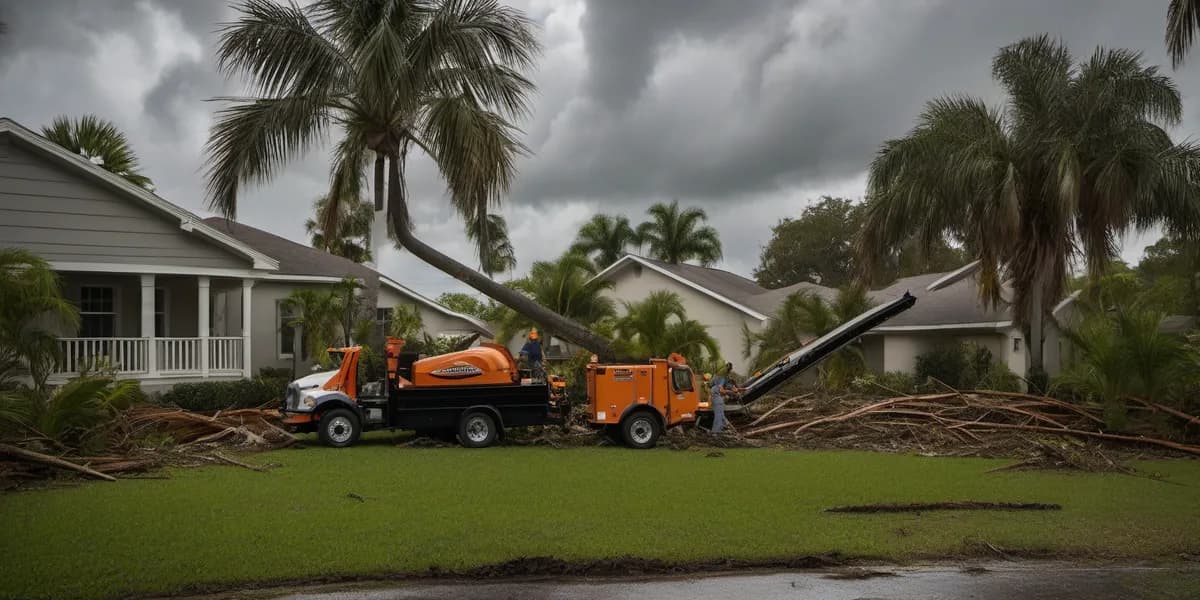
As hurricane season peaks in Cape Coral, now is the time to prepare your landscape for the storm and the recovery that follows. Post-storm palm and hedge replacement requires careful planning due to long lead times and specific care needs for SW Florida’s climate.
Soil Considerations for Post-Storm Planting
Cape Coral’s soil is typically sandy and well-draining, which is ideal for many plants but can be a challenge after heavy rainfall or saltwater intrusion. After a storm, it’s important to assess the soil for compaction or salt buildup:
- Use a soil test kit to check pH and nutrient levels before planting.
- Rake or aerate the soil to improve drainage and root penetration.
- Avoid planting immediately after a storm if saltwater has flooded the area. Wait until the soil has leached out excess salt.
For professional help with soil preparation, visit our tree and shrub services page.
Salt Damage and Recovery
Salt from storm surges can damage palms, hedges, and other plants, causing leaf burn and root stress. Here’s how to mitigate and recover from salt damage:
- Rinse affected plants with fresh water as soon as possible after a storm.
- Trim dead or damaged fronds to prevent disease spread.
- Apply a layer of mulch around the base of plants to help retain moisture and reduce salt exposure.
If you're looking to replace damaged palms or hedges, it's important to note that lead times for new plants can be 6-8 weeks during peak seasons. Start planning early.
Heat and Drought Management
Cape Coral experiences long, hot summers, and even after a storm, plants can suffer from drought stress. Proper watering and mulching are essential during dry periods:
- Water deeply and infrequently to encourage deep root growth.
- Use drip irrigation or soaker hoses to minimize evaporation.
- Apply a 2-3 inch layer of organic mulch around trees and shrubs to retain moisture.
For assistance with irrigation systems or plant replacement, get a quote today.
Rainy and Dry Season Effects on Planting
Understanding the seasonal patterns in Cape Coral helps in timing your planting and trimming activities. The rainy season typically runs from June to November, while the dry season begins in December and lasts through May:
- Planting during the dry season is often preferred for better root establishment.
- Avoid trimming during the rainy season, as it can increase the risk of fungal infections.
- If trimming is necessary during a storm, wait until the area is dry and the plants are not waterlogged.
Keep in mind that lead times for new palm and hedge plants can be longer during the dry season due to increased demand.
HOA Rules and Lee County Norms
Many neighborhoods in Cape Coral are governed by HOAs, and local regulations in Lee County can affect when and how you trim or replace landscape plants:
- Check your HOA guidelines for restrictions on tree trimming, palm height, and hedge size.
- Lee County requires permits for certain types of tree removal or pruning. Always check with local authorities before starting any major work.
- Some HOAs may require specific types of plants or maintenance schedules. Be sure to follow these to avoid fines or disputes.
For help navigating these requirements, contact us to discuss your project.
Call to Action
Now is the time to prepare your landscape for the hurricane season ahead. Whether you need trimming, replacement, or maintenance, we’re here to help. Don’t wait until after a storm to act - lead times for new plants can be long, and recovery efforts are more effective with early planning.
Get a free quote today and let’s make sure your Cape Coral property is ready for anything. (239) 799-5594.
Coastal Wind Patterns and Trimming Schedules
Cape Coral’s proximity to the Gulf of Mexico means strong, consistent winds can affect plant health and trimming timelines. Coastal winds can cause fronds to whip and break, increasing the need for regular maintenance. It’s best to schedule trimming during calmer periods, typically in the late dry season when wind speeds are lower. Avoid trimming during hurricane season, as unpredictable gusts can damage freshly cut palms and make the area more vulnerable to storm damage. Additionally, wind-prone areas may require more frequent inspections for leaning or uprooted trees. When trimming near the coast, always consider the direction of prevailing winds to ensure proper clearance and reduce the risk of future wind-related damage.
Soil Compaction and Root Health in Sandy Areas
Cape Coral’s sandy soil is well-draining but can become compacted from heavy foot traffic, construction, or frequent vehicle use. Compacted soil restricts root growth and reduces water and nutrient absorption, leading to stressed palms and trees. To combat this, avoid walking or placing heavy objects near the base of plants, and consider using gravel or stepping stones in high-traffic areas. Aerate the soil around trees and palms annually to improve root health, and apply organic matter like compost to enhance soil structure. For large properties or commercial landscapes, professional aeration and soil management can make a significant difference in long-term plant vitality. Regular maintenance in sandy soils is essential to ensure strong, healthy growth.
Related Reading from Blue Collar Q
- Rock And Gravel Landscaping Services in Cape Coral, FL - Blue Collar Q
- Bush Trimming Services in Cape Coral, FL - Blue Collar Q
- Drainage Solutions Services in Cape Coral, FL - Blue Collar Q
- Paver Installation Services in Cape Coral, FL - Blue Collar Q
- Pressure Washing Services in Cape Coral, FL - Blue Collar Q
Local Services & City Pages
Get a free tree trimming quote
Name and phone is all we need. Serving Cape Coral, Fort Myers and all of SW Florida.