Hedges and Privacy Screens in Cape Coral
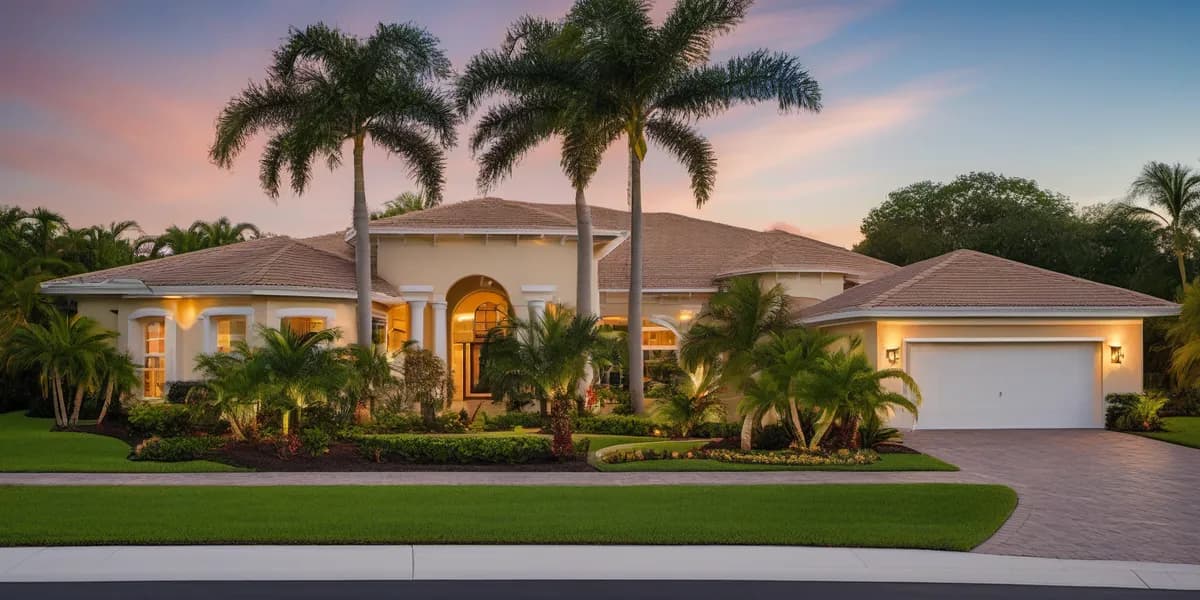
In Cape Coral, hedges and privacy screens are more than just landscaping features - they're a smart investment in your home's comfort and value. Whether you're looking to block out noise, reduce glare, or simply enjoy more privacy, choosing the right plants and care methods is essential.
Soil Considerations in Cape Coral
Cape Coral's soil is mostly sandy, which drains quickly and doesn't retain much moisture. This can be a challenge for some plants, but it's manageable with the right approach. Here's what you need to know:
- Choose native or salt-tolerant plants that thrive in sandy conditions.
- Amend the soil with organic matter like compost to improve water retention.
- Avoid overwatering, as sandy soil can wash away nutrients quickly.
- Consider installing a drip irrigation system for efficient watering.
For more information on hedges that work well with your soil type, visit our hedges page.
Salt and Coastal Exposure
Cape Coral's proximity to the Gulf of Mexico means salt spray is a common issue for homeowners. Salt can damage plants by burning leaves and damaging roots. To protect your hedges and privacy screens:
- Use salt-tolerant plants such as sea oats, sabal palms, or hibiscus.
- Install windbreaks or barriers to reduce the impact of salt spray.
- Water plants regularly to help flush out salt from the soil.
- Avoid using fertilizers high in nitrogen, which can increase salt sensitivity.
Managing Heat and Dry Seasons
Cape Coral experiences long, hot summers and dry spells that can stress even the hardiest plants. Here's how to keep your hedges and privacy screens healthy:
- Water deeply and infrequently to encourage deep root growth.
- Mulch around plants to retain moisture and regulate soil temperature.
- Choose drought-resistant plants like yaupon holly, nandina, or dwarf palmettos.
- Prune regularly to remove dead or damaged growth and improve air circulation.
Rainy Season and Watering Practices
During the rainy season in Southwest Florida, the opposite challenge arises - too much water. While some plants enjoy the extra moisture, others can suffer from root rot or fungal diseases. Here's how to manage:
- Ensure your hedges have good drainage to prevent water from pooling around roots.
- Avoid overwatering during the rainy season unless the soil is dry.
- Use well-draining soil amendments if needed.
- Monitor plants for signs of disease, such as yellowing leaves or mold.
HOA Rules and Lee County Norms
In many Cape Coral neighborhoods, HOAs have specific rules about landscaping, including hedges and privacy screens. It's important to understand these guidelines before selecting and installing plants:
- Check your HOA's covenants, conditions, and restrictions (CC&Rs) for height limits, plant types, and maintenance requirements.
- Some HOAs require approval before planting or trimming hedges.
- In Lee County, it's common to see hedges between 4 to 6 feet tall for privacy, but rules can vary.
- Always maintain your hedges to meet neighborhood standards and avoid fines.
If you're unsure about what's allowed in your community, a professional can help you navigate these requirements.
Call to Action
Creating the perfect hedge or privacy screen for your home in Cape Coral doesn't have to be complicated. With the right plants, care, and planning, you can enjoy a beautiful, functional, and low-maintenance landscape. If you're ready to take the next step, get a quote today and let us help you design the perfect solution for your property.
Pest and Insect Management in Southwest Florida
In Southwest Florida, hedges and privacy screens can be vulnerable to a variety of pests and insects that thrive in the warm, humid climate. Common issues include scale insects, mealybugs, and spider mites, which can weaken plants and affect their appearance. To manage these pests effectively:
- Inspect plants regularly for signs of infestation, such as sticky residue, discolored leaves, or webbing.
- Use natural pest control methods like neem oil or insecticidal soap to avoid harming beneficial insects.
- Encourage the presence of natural predators, such as ladybugs, by planting companion plants like marigolds.
- Trim and remove infested branches promptly to prevent the spread of pests to other plants.
Wind and Storm Protection for Hedges
Cape Coral is frequently affected by tropical storms and strong winds, which can damage or uproot improperly secured hedges and privacy screens. To ensure your plants withstand these weather events:
- Plant wind-resistant species such as wax myrtle, sabal palm, or hibiscus, which are more flexible and less likely to break.
- Install support structures like stakes or trellises for taller or more fragile plants.
- Group plants together to create a windbreak that protects each other from direct exposure.
- Avoid planting near the edges of properties where wind is strongest, or use barriers like fencing to redirect airflow.
If you're looking for expert guidance on selecting and maintaining hedges and privacy screens that thrive in Cape Coral's unique environment, get a free quote today.
Related Reading from Blue Collar Q
- Rock And Gravel Landscaping Services in Cape Coral, FL - Blue Collar Q
- Bush Trimming Services in Cape Coral, FL - Blue Collar Q
- Drainage Solutions Services in Cape Coral, FL - Blue Collar Q
- Paver Installation Services in Cape Coral, FL - Blue Collar Q
- Pressure Washing Services in Cape Coral, FL - Blue Collar Q
Local Services & City Pages
Frequently asked questions
What plants are best for hedges in Cape Coral?
Choose native or salt-tolerant plants like sea oats, sabal palms, yaupon holly, and hibiscus that thrive in Cape Coral's sandy soil and coastal conditions.
How to protect hedges from salt spray?
Use salt-tolerant plants, install windbreaks, water regularly to flush out salt, and avoid high-nitrogen fertilizers to reduce salt sensitivity.
How to care for hedges during dry seasons?
Water deeply and infrequently, use mulch to retain moisture, choose drought-resistant plants, and prune regularly to promote healthy growth.
What to do with hedges during the rainy season?
Ensure good drainage, avoid overwatering, use well-draining soil amendments, and monitor for signs of disease like yellowing leaves or mold.
Get a free hedge quote
Name and phone is all we need. Serving Cape Coral, Fort Myers and all of SW Florida.