Lawn Fertilization Tips for Fort Myers's Climate and Soil
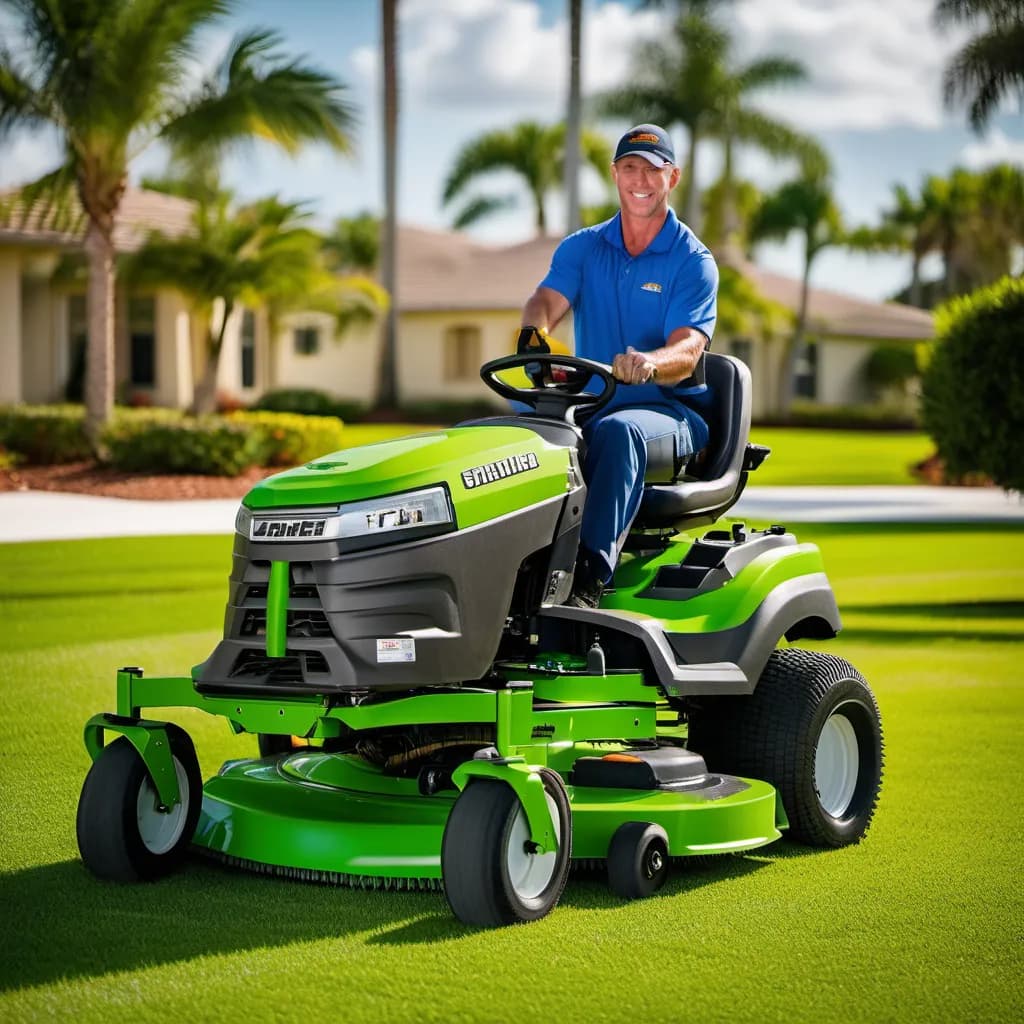
Lawn Fertilization Tips for Fort Myers's Climate and Soil
EXCERPT: "Get the most out of your lawn fertilization routine in Fort Myers with these expert tips tailored to the city's unique climate and soil conditions."
CATEGORY: Lawn Care TAGS: lawn fertilization, fort myers landscaping, florida lawn care, lawn maintenance, lawn care tips
As a homeowner in Fort Myers, you're likely no stranger to the challenges of maintaining a lush, healthy lawn. With the city's subtropical climate, sandy soil, and high humidity levels, it can be tough to keep your grass looking its best. But don't worry - we've got you covered! In this article, we'll share our top lawn fertilization tips specifically designed for Fort Myers's unique conditions.
Choosing the Right Fertilizer for Your Lawn
When it comes to selecting a fertilizer, there are many options available on the market. However, not all fertilizers are created equal. In Fort Myers, where the soil is sandy and prone to nutrient leaching, you'll want to choose a fertilizer that's specifically designed to combat these issues.
Look for fertilizers that contain slow-release nitrogen, which will help prevent over-fertilization and minimize waste. You may also consider using organic or natural fertilizers, such as compost or manure-based products, which can provide a boost of nutrients without harming the environment.
Some popular fertilizer options for Fort Myers lawns include:
- Scotts Turf Builder Lawn Fertilizer
- Espoma Organic Lawn Fertilizer
- Miracle-Gro Shake 'n Feed All Purpose Plant Food
Applying Fertilizers at the Right Time
Timing is everything when it comes to fertilizing your lawn. In Fort Myers, where the rain season runs from June to September, you'll want to apply fertilizers during the dry season (October to May) to avoid wasting nutrients in standing water.
However, if you do need to fertilize during the rainy season, be sure to choose a fertilizer that's designed to work in wet conditions. These products typically contain surfactants or other agents that help them stick to the grass even when it's damp.
Fertilizing for Specific Lawn Types
Fort Myers is home to a variety of lawn types, each with its own unique needs and requirements. Here are some tips for fertilizing different types of lawns in the area:
- St. Augustinegrass: This popular lawn type thrives in Fort Myers's warm climate, but it can be prone to nutrient deficiencies. Use a fertilizer that contains sulfur or iron to help combat these issues.
- Bermudagrass: This drought-tolerant grass is perfect for Fort Myers's dry season, but it may require more frequent fertilization during the rainy months. Choose a slow-release fertilizer with nitrogen and phosphorus for optimal growth.
- Zoysiagrass: This low-maintenance lawn type prefers well-draining soil and full sun. Use a fertilizer that contains micronutrients like manganese and zinc to promote healthy growth.
Tips for Maintaining Healthy Soil in Fort Myers
Soil health is just as important as lawn fertilization when it comes to maintaining a lush, green lawn. Here are some tips for keeping your soil in top condition:
- Add organic matter: Compost or well-rotted manure can help improve soil structure and fertility.
- Use mulch: Mulching around trees and gardens can help retain moisture, suppress weeds, and regulate soil temperature.
- Monitor pH levels: Fort Myers's sandy soil can be prone to nutrient deficiencies due to high pH levels. Test your soil regularly and adjust as needed.
Dealing with Common Lawn Problems in Fort Myers
Even with proper fertilization and maintenance, lawn problems can still arise. Here are some common issues you may encounter in Fort Myers:
- Weeds: Broadleaf weeds like clover and dandelion thrive in Fort Myers's moist climate. Use a pre-emergent herbicide or manually remove weeds to prevent them from taking over.
- Pests: White grubs, chinch bugs, and billbugs are all common pests in Fort Myers. Use insecticides or integrated pest management (IPM) strategies to control infestations.
- Disease: Fungal diseases like powdery mildew and brown patch can thrive in Fort Myers's humid climate. Practice good sanitation, water management, and fungicide application to prevent outbreaks.
FAQ
Q: How often should I fertilize my lawn in Fort Myers? A: Fertilize your lawn every 6-8 weeks during the dry season (October to May) and as needed during the rainy season (June to September).
Q: What type of fertilizer is best for Fort Myers's sandy soil? A: Choose a slow-release fertilizer with nitrogen, phosphorus, and potassium that's specifically designed for sandy soils.
Q: Can I use regular garden fertilizer on my lawn? A: No - garden fertilizers are not formulated for lawns and can cause more harm than good. Use a lawn fertilizer specifically designed for your type of grass and soil conditions.
In conclusion, lawn fertilization in Fort Myers requires attention to the city's unique climate and soil conditions. By choosing the right fertilizer, applying it at the right time, and maintaining healthy soil, you'll be well on your way to growing a lush, green lawn that's the envy of the neighborhood. Don't forget to water wisely, control pests and diseases, and practice good lawn care habits for long-term success.
Call Blue Collar Q at (239) 799-5594 or visit bluecollarq.net for expert advice on all your Fort Myers lawn care needs!
Get a free lawn care quote
Name and phone is all we need. Serving Cape Coral, Fort Myers and all of SW Florida.