Mulching in Sanibel: A Comprehensive Guide for Paradise Properties
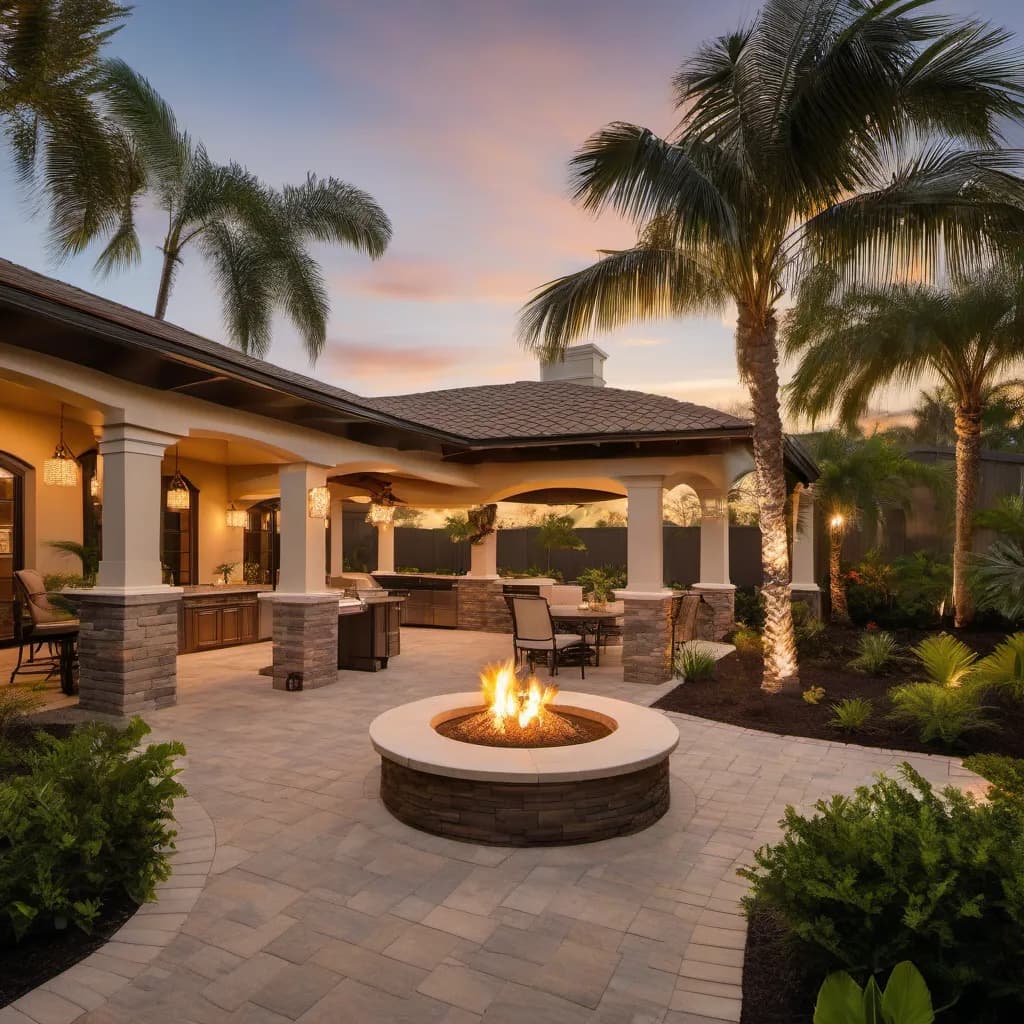
The Importance of Mulching in Sanibel's Climate
Sanibel, known for its picturesque beaches and subtropical climate, requires specific landscaping strategies to maintain a lush and healthy landscape. Mulching is an essential aspect of yard maintenance, particularly in areas with high humidity and frequent rainfall. By understanding the unique characteristics of Sanibel's climate and soil conditions, homeowners can create an effective mulching plan that enhances their property's appearance and durability.
Understanding Sanibel's Climate
Sanibel's subtropical climate features:
- High humidity levels (average 68-84% throughout the year)
- Frequent rainfall during the summer months (June-September)
- Sandy soil that drains quickly, making it prone to waterlogging
- Abundant sunshine with an average of 230 sunny days per year
Choosing the Right Mulch for Sanibel Properties
Selecting the ideal mulch type is crucial in Sanibel's climate. Consider the following factors:
Organic vs. Inorganic Mulches
Organic mulches (e.g., wood chips, bark, leaves) break down over time, improving soil health and structure. However, they may need to be replenished regularly. Inorganic mulches (e.g., rubber, plastic) are durable but can heat up in direct sunlight, potentially harming plants.
Seasonal Mulch Options
For Sanibel's climate:
- Spring: Apply 2-3 inches of organic mulch to warm-season grasses and annuals
- Summer: Maintain existing mulch levels; avoid adding new mulch during the rainy season
- Fall: Replenish mulch as needed; consider applying a thin layer of inorganic mulch for added durability
- Winter: Apply 2-3 inches of organic mulch to protect plants from frost and cold temperatures
Practical Tips for Mulching Sanibel Properties
1. Layering: Apply a 2-3 inch layer of mulch, keeping it at least 6 inches away from plant stems. 2. Maintenance: Replenish mulch as needed; maintain a consistent depth to prevent weed growth and soil erosion. 3. Mulch color: Choose a light-colored mulch (e.g., pine straw) to reflect sunlight and reduce heat absorption. 4. Mulch type: Avoid using cedar or cypress mulches, which can be toxic to plants and attract pests.
Cost Ranges for Mulching in Sanibel
- Organic mulch: $2-$5 per cubic foot
- Inorganic mulch: $3-$6 per square foot
- Mulching services: $100-$300 for a standard-sized property
Local Landmarks and Neighborhoods to Consider
- Sanibel Island Beach: Showcase your property's unique coastal charm with a tropical-themed landscape.
- San Carlos Bay: Emphasize native plants and low-maintenance mulch options to complement the area's natural beauty.
Frequently Asked Questions (FAQ)
Q: How often should I replenish my mulch in Sanibel? A: Replenish mulch every 1-2 years, depending on weather conditions and plant growth.
Q: Can I use mulch in areas with high foot traffic? A: Avoid using organic mulches in high-traffic areas; opt for durable inorganic options instead.
Q: How does mulching impact Sanibel's sandy soil? A: Mulching helps retain moisture, reduces erosion, and improves soil structure over time.
Conclusion
By following this comprehensive guide, Sanibel homeowners can create a stunning, low-maintenance landscape that thrives despite the region's unique climate and soil conditions. Remember to choose the right mulch type for your property, maintain consistent layering, and replenish as needed. For expert advice and mulching services tailored to your specific needs, call Blue Collar Q at (239) 799-5594 or visit bluecollarq.net today!
Related Reading from Blue Collar Q
- Weed Control Services in Sanibel, FL - Blue Collar Q
- Mulching Services in Sanibel, FL - Blue Collar Q
- Palm Tree Trimming Services in Sanibel, FL - Blue Collar Q
- Stump Removal Services in Sanibel, FL - Blue Collar Q
- Sod Installation Services in Sanibel, FL - Blue Collar Q
Local Services & City Pages
Get a free lawn care quote
Name and phone is all we need. Serving Cape Coral, Fort Myers and all of SW Florida.