Spring Irrigation Systems: Setting Up for Drought-Proof Lawns in SW Florida
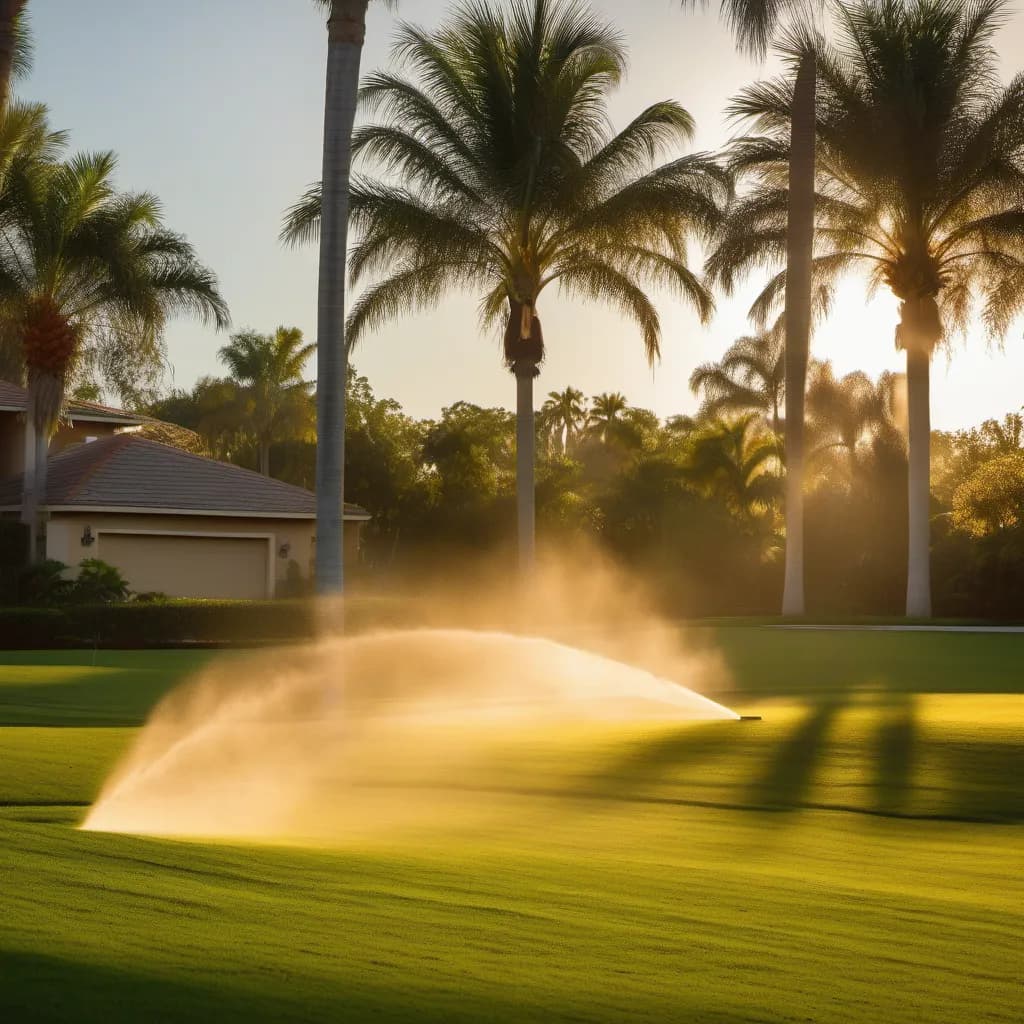
# Spring Irrigation Systems: Setting Up for Drought-Proof Lawns in Southwest Florida
Spring is here, and with it comes the promise of blooming flowers, lush green lawns, and fresh air. For residents of Southwest Florida, including Cape Coral, this season marks an ideal time to set up your irrigation system. With the right setup, you can ensure a drought-resistant lawn that thrives even during dry spells. In this blog post, we’ll guide you through setting up your spring irrigation system for a healthy and beautiful landscape.
Why Spring is Ideal for Setting Up Your Irrigation System
Spring offers several advantages when it comes to planning and installing an irrigation system:
1. Weather Conditions: The weather in Southwest Florida during spring can be somewhat unpredictable, but generally, the temperatures are milder than summer. This makes it easier to manage water usage and ensure that your sprinkler system is efficient.
2. Plant Growth: Spring is a time of active growth for most plants and lawns. Setting up an irrigation system now allows you to support this growth with consistent watering, which can help establish strong root systems.
3. Water Availability: Spring often brings more rainfall compared to the dry summer months. However, early spring setup ensures that your system will be ready when those summer droughts kick in.
4. Pest and Disease Control: Proper irrigation practices can also play a role in preventing pests and diseases from taking hold in your lawn, making it stronger overall.
Components of an Efficient Irrigation System
To set up a drought-proof lawn, you need to consider several components:
1. Sprinkler Heads
Sprinkler heads are the core of any irrigation system. Choose high-quality sprinklers that can adjust their spray pattern based on your specific needs. Consider both in-ground and overhead systems for optimal coverage.
- In-Ground Sprinklers: These are hidden beneath the soil surface, making them less visible but effective.
- Overhead Sprinklers: Ideal for areas with taller grass or shrubs where in-ground sprinklers might not reach effectively.
2. Drip Irrigation
Drip irrigation systems deliver water directly to the roots of plants and trees, minimizing evaporation and ensuring that moisture is used efficiently. This system is particularly useful around landscaping beds and garden areas.
- Soaker Hoses: These are great for smaller areas like flower beds.
- Drip Emitters: Perfect for individual plant watering, especially in dry spells or during the summer months.
3. Pressure Regulators
Installing pressure regulators helps to maintain consistent water pressure throughout your irrigation system. This prevents overwatering or under-watering and ensures that all sprinklers perform at their best.
4. Timers
Timers are crucial for automating your watering schedule, which can save you time and ensure consistency. Choose a timer that allows you to customize the timing based on weather conditions and plant needs.
Setting Up Your Irrigation System
Setting up an irrigation system in spring involves several steps:
1. Assess Your Property: Walk around your property to identify areas that need more water, such as slopes or sunny spots where evaporation is higher.
2. Plan the Layout: Map out the layout of your sprinkler heads and drip lines. Consider using a professional landscaping service if you are unsure about the design.
3. Install Sprinklers and Drip Lines: Begin by installing in-ground sprinklers and connecting them to overhead systems as needed. For drip irrigation, lay down hoses or tubing and install emitters where necessary.
4. Connect to Water Source: Ensure that your irrigation system is connected securely to your water supply. Check for any leaks or loose connections.
5. Install Timers and Pressure Regulators: Set up your timers according to the manufacturer’s instructions and connect them to the sprinkler heads. Install pressure regulators near the main line of your irrigation system to ensure consistent performance.
6. Test Your System: Run your irrigation system several times to check for any malfunctions or leaks. Adjust timing as necessary based on weather conditions.
7. Adjust Sprinklers if Necessary: Fine-tune your sprinkler heads so that they cover all areas without overwatering or under-watering specific sections of your lawn.
Maintenance Tips
To keep your irrigation system functioning at its best, follow these maintenance tips:
- Check for Leaks and Clogs Regularly: Inspect your system monthly to ensure there are no leaks or clogged sprinklers.
- Adjust Sprinkler Heads Seasonally: As the seasons change, adjust the height of your sprinkler heads if necessary to maintain even coverage.
- Replace Old Parts: Over time, parts like hoses and emitters can wear out. Replace them as needed to keep your system running smoothly.
By setting up a well-designed irrigation system in spring, you’ll be ready for any drought conditions that might come later in the year. A properly maintained system will help ensure that your lawn and garden stay healthy and vibrant throughout Southwest Florida’s sometimes challenging climate.
If you need expert assistance with setting up or maintaining an irrigation system, don’t hesitate to call us at (239) 799-5594. Our team is here to help make sure your landscape thrives all year round!
Happy gardening!
Get a free lawn care quote
Name and phone is all we need. Serving Cape Coral, Fort Myers and all of SW Florida.