The Ultimate Palm Tree Trimming Checklist for Cape Coral Properties
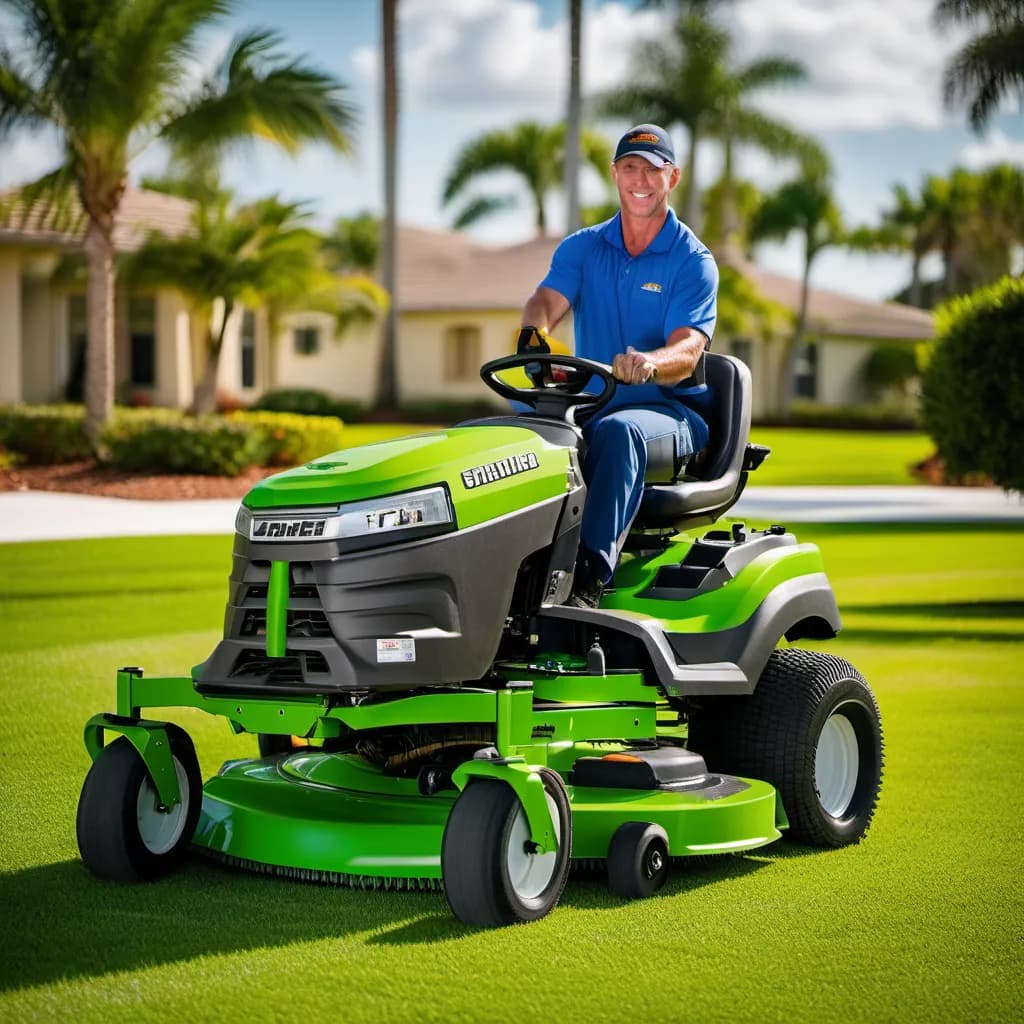
The Ultimate Palm Tree Trimming Checklist for Cape Coral Properties
EXCERPT: "Learn the essential palm tree trimming checklist to keep your Cape Coral property looking its best. Get expert advice on timing, technique, and costs."
CATEGORY: Lawn Care TAGS: palm tree trimming, landscaping services, cape coral fl, lawn care tips
Understanding Palm Tree Growth in Cape Coral's Climate
Cape Coral, Florida, is known for its subtropical climate, with warm temperatures and high humidity throughout the year. This environment is perfect for palm trees to thrive, but it also requires regular maintenance to keep them healthy and looking their best. In this article, we'll provide a comprehensive palm tree trimming checklist for Cape Coral properties, including tips on timing, technique, and costs.
Factors Affecting Palm Tree Growth in Cape Coral
Before we dive into the trimming checklist, let's discuss some key factors that affect palm tree growth in Cape Coral:
- Humidity: Cape Coral's humid climate can lead to fungal diseases and pest infestations. Regular maintenance is crucial to prevent these issues.
- Rain Season (June-Sept): During this period, palm trees require more frequent watering and fertilization to compensate for the increased moisture.
- Sandy Soil: Cape Coral's soil composition can make it challenging for palm trees to absorb nutrients. Fertilizing regularly can help mitigate this issue.
- Sun Exposure: Palm trees in Cape Coral often receive intense sunlight, which can cause scorching and damage if not managed properly.
Timing Your Palm Tree Trimming in Cape Coral
To ensure your palm trees remain healthy and well-maintained, it's essential to trim them at the right time. In Cape Coral, the ideal trimming seasons are:
- Spring (March-May): Trim palm trees after the last frost to promote new growth and prevent damage from cold temperatures.
- Summer (June-August): Trim palm trees during the rain season to maintain their shape and prevent overgrowth.
- Fall (September-November): Trim palm trees before the cool season sets in to prepare them for winter.
Trimming Techniques for Cape Coral Palm Trees
When trimming your palm trees, follow these essential techniques:
- Cut at a 45-degree angle: This helps water run off and prevents disease.
- Remove dead or damaged fronds: Regularly remove dead or damaged fronds to maintain the tree's appearance and prevent pest infestations.
- Use the right equipment: Invest in high-quality pruning tools, such as loppers or pole saws, to ensure accurate cuts.
Pruning Tools for Palm Trees
When choosing pruning tools for your palm trees, consider the following:
- Loppers: Ideal for smaller palms (less than 10 feet tall).
- Pole saw: Suitable for larger palms and hard-to-reach areas.
- Chain saw: Not recommended for palm tree trimming due to the risk of damage and injury.
Cost Ranges for Palm Tree Trimming in Cape Coral
The cost of palm tree trimming in Cape Coral can vary depending on factors like tree size, location, and technician expertise. Here are some estimated cost ranges:
- Small palms (less than 10 feet tall): $50-$150.
- Medium palms (10-20 feet tall): $100-$300.
- Large palms (over 20 feet tall): $200-$500.
Seasonal Tips for Palm Tree Maintenance in Cape Coral
To keep your palm trees healthy and thriving throughout the year, follow these seasonal tips:
- Spring: Fertilize with a balanced fertilizer to promote new growth.
- Summer: Water regularly, taking into account the increased moisture from rain showers.
- Fall: Prune palms to maintain their shape and prepare them for winter.
- Winter: Avoid fertilizing or pruning during this season, as palm trees are dormant.
Common Palm Tree Problems in Cape Coral
Some common issues faced by palm tree owners in Cape Coral include:
- Pests: Regularly inspect your palm trees for signs of pests like scale, mealybugs, and spider mites.
- Fungal diseases: Monitor for symptoms like yellowing fronds, black spots, or powdery mildew.
- Nutrient deficiencies: Fertilize regularly to prevent nutrient deficiencies that can affect growth.
Frequently Asked Questions (FAQs)
Q: How often should I trim my palm trees?
A: Trim your palm trees every 6-12 months, depending on their growth rate and maintenance needs.
Q: Can I prune my palm tree myself?
A: While it's possible to prune your palm tree yourself, it's recommended to hire a professional for optimal results and safety.
Q: What are the most common palm tree species in Cape Coral?
A: Some popular palm tree species in Cape Coral include the Sabal Palm (Cabbage Palm), Royal Palm, and Pindo Palm.
Call Blue Collar Q at (239) 799-5594 or visit bluecollarq.net to schedule your palm tree trimming service today!
Related Reading from Blue Collar Q
- Rock And Gravel Landscaping Services in Cape Coral, FL - Blue Collar Q
- Landscaping Services in Marco Island, FL - Blue Collar Q
- Palm Tree Trimming Services in Sanibel, FL - Blue Collar Q
- Palm Tree Trimming Services in Estero, FL - Blue Collar Q
- Palm Tree Trimming Services in Bonita Springs, FL - Blue Collar Q
Local Services & City Pages
Get a free lawn care quote
Name and phone is all we need. Serving Cape Coral, Fort Myers and all of SW Florida.