Landscape Design Tips for Cape Coral's Climate and Soil
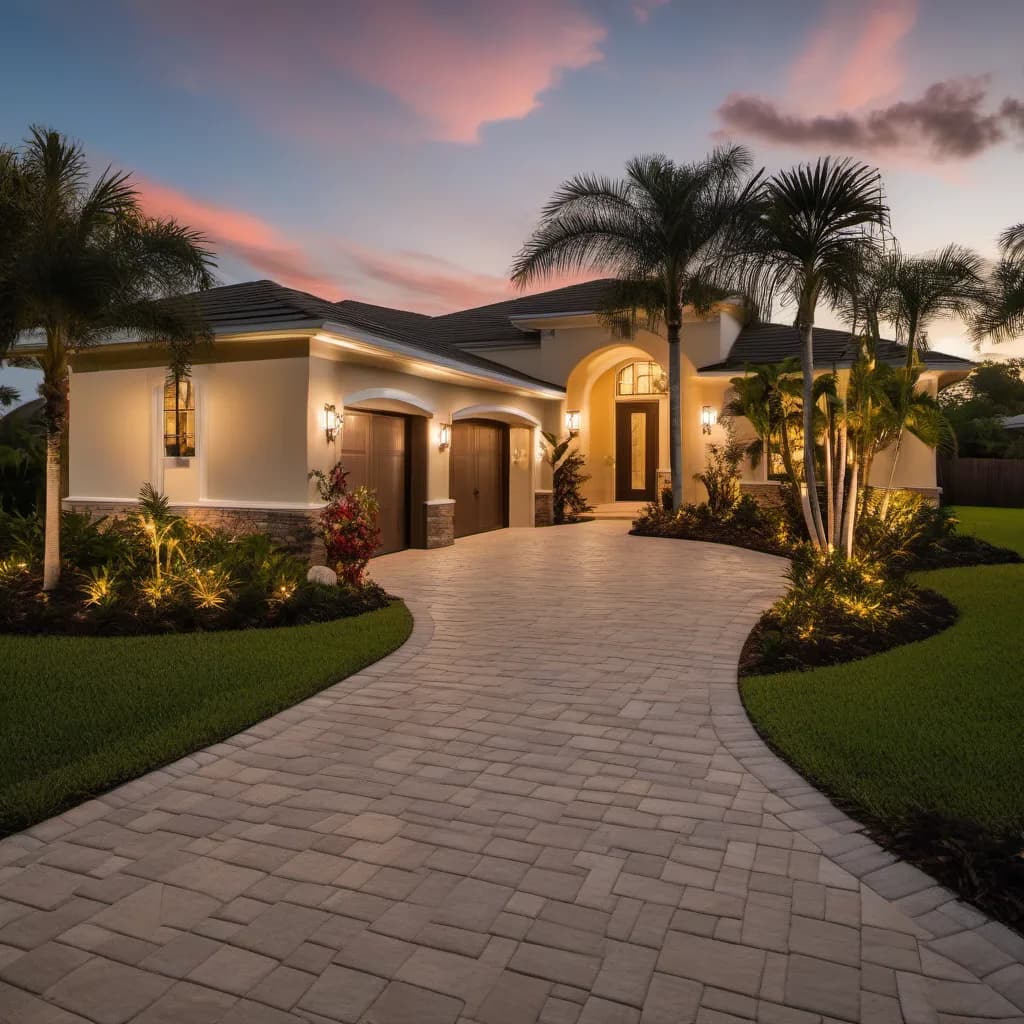
Understanding Cape Coral's Unique Climate and Soil Conditions
Located in the Gulf Coast region of Southwest Florida, Cape Coral is known for its subtropical climate. The area experiences a wet season from June to September, with an average rainfall of 40 inches per year. This can be challenging for homeowners who want to create beautiful outdoor spaces that withstand the elements.
Dealing with Humidity and Rainfall
Cape Coral's humid climate means that plants and hardscapes are constantly exposed to moisture. This can lead to issues like mildew, mold, and root rot if not managed properly. To combat this, incorporate drought-tolerant plants into your landscape design. Some excellent options include succulents, lantana, and bird of paradise.
Choosing Plants Suitable for Cape Coral's Soil
Cape Coral's soil is predominantly sandy, which can drain quickly and require more frequent watering. When selecting plants, opt for species that thrive in well-draining soils. Some excellent choices include:
- Native plants like sea dunes, firebush, and coral bells
- Drought-tolerant grasses like buffalo grass or blue grama grass
- Foliage plants like azalea, gardenia, or hydrangea
Designing for Sun Exposure
Cape Coral's subtropical climate means that the sun's rays are intense, especially during peak summer months. When designing your outdoor space, consider incorporating sun-protective elements:
- Shade structures like gazebos, pergolas, or umbrellas
- Hardscaping features like patios, walkways, and retaining walls
- Plant selection, choosing species with broad leaves or dense foliage to provide natural shade
Incorporating Hardscapes for Durability
Hardscapes are an excellent way to create a durable and low-maintenance outdoor space in Cape Coral. Consider incorporating:
- Pavers like concrete, brick, or stone
- Retaining walls to stabilize soil and prevent erosion
- Outdoor kitchens, fire pits, or water features for added functionality
Seasonal Tips for Landscape Maintenance
To keep your landscape design thriving throughout the year, follow these seasonal tips:
- Spring (March-May): Prune trees and shrubs, fertilize lawns, and plant warm-season annuals
- Summer (June-August): Water plants regularly, monitor for pests and diseases, and trim back overgrown foliage
- Fall (September-November): Clean up debris, aerate lawns, and plant cool-season annuals
- Winter (December-February): Protect plants from frost, prune trees and shrubs, and plan for spring planting
FAQs
Q: What are some common pests that affect landscapes in Cape Coral?
A: Common pests in the area include whiteflies, aphids, and fire ants. Regularly inspect your plants and use integrated pest management techniques to mitigate these issues.
Q: How often should I water my lawn in Cape Coral's climate?
A: Lawns in Cape Coral typically require watering 2-3 times per week during peak summer months. Adjust this frequency based on rainfall, soil moisture, and plant species.
Q: What are some cost-effective ways to improve my landscape design?
A: Consider DIY projects like planting native species, building a raised bed garden, or creating a compost pile. These initiatives can be budget-friendly while still providing stunning results.
Call Blue Collar Q at (239) 799-5594 or visit bluecollarq.net to schedule your landscape design consultation and let our experts bring your outdoor vision to life!
Related Reading from Blue Collar Q
- Rock And Gravel Landscaping Services in Cape Coral, FL - Blue Collar Q
- Landscape Design Services in Port Charlotte, FL - Blue Collar Q
- Bush Trimming Services in Cape Coral, FL - Blue Collar Q
- Landscape Design Services in Estero, FL - Blue Collar Q
- Drainage Solutions Services in Cape Coral, FL - Blue Collar Q
Local Services & City Pages
Get a free quote
Name and phone is all we need. Serving Cape Coral, Fort Myers and all of SW Florida.