Lawn Maintenance Tips for Sanibel's Climate and Soil
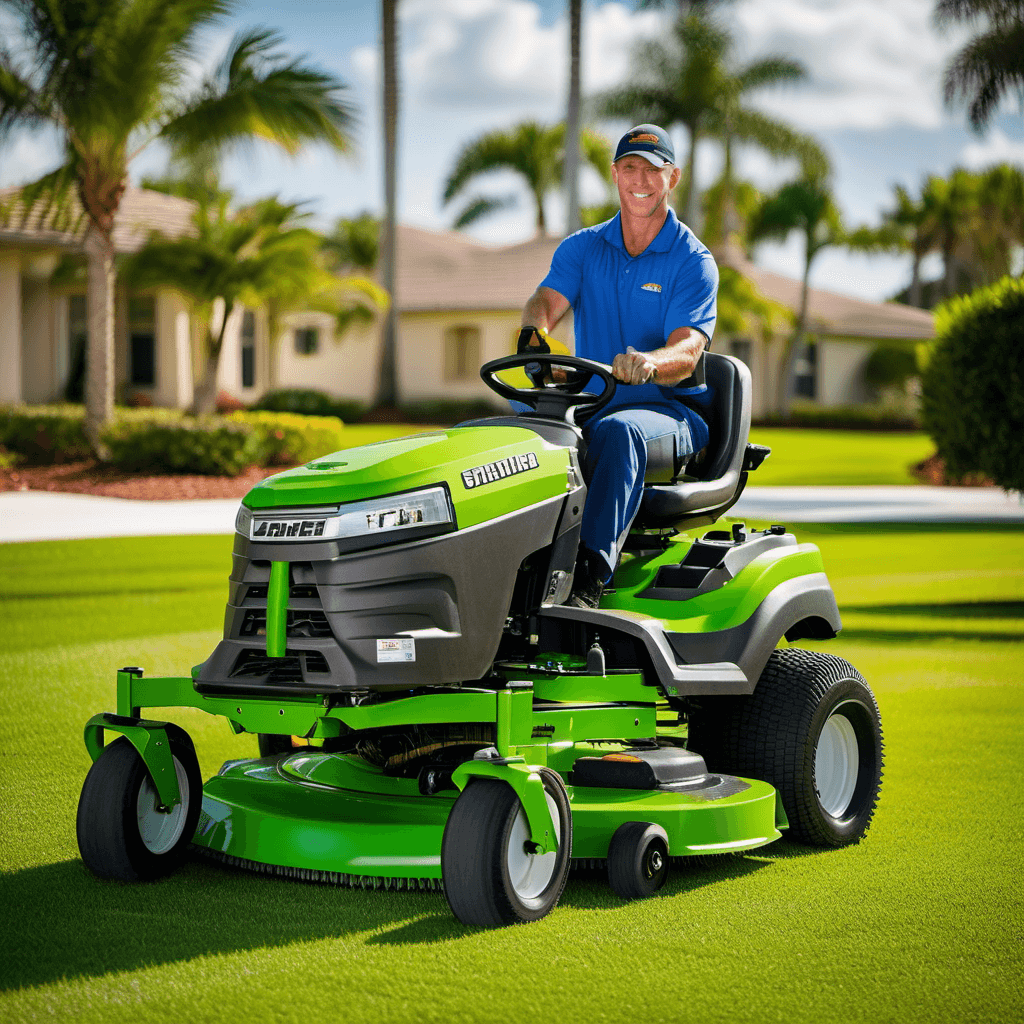
Understanding Sanibel's Climate and Soil Conditions
Sanibel, Florida, is known for its beautiful beaches, wildlife refuges, and unique island lifestyle. However, the subtropical climate and sandy soil in this area can present challenges for homeowners when it comes to lawn maintenance. The humid climate with high temperatures and rainfall from June to September requires special attention to prevent damage to your lawn.
Sanibel's sandy soil is another factor to consider when maintaining a healthy lawn. Sandy soils are prone to nutrient deficiencies, waterlogging, and erosion. To combat these issues, homeowners need to use specific strategies for lawn care, including the right types of grass, fertilization, irrigation, and mowing practices.
Choosing the Right Grass Type for Sanibel's Climate
The warm weather in Sanibel makes it an ideal location for many types of grasses. However, not all grasses are created equal when it comes to handling the island's climate conditions. Here are some popular grass options that thrive in Sanibel:
- St. Augustine Grass: This type of grass is commonly found in coastal areas and can tolerate salt spray, making it an excellent choice for Sanibel homeowners.
- Bermuda Grass: Known for its durability and resistance to pests and diseases, Bermuda grass is a great option for lawns that receive full sun.
- Zoysia Grass: This type of grass requires less maintenance than other options but still provides a lush, green appearance.
When selecting the right grass type for your Sanibel lawn, consider factors such as sunlight exposure, soil quality, and desired level of maintenance. It's essential to choose a grass that fits your specific needs to ensure a healthy and thriving lawn.
Lawn Care Tips for Sanibel's Climate
While choosing the right grass is crucial, proper lawn care techniques are also vital for maintaining a healthy lawn in Sanibel. Here are some tips to keep in mind:
- Water wisely: Lawns in Sanibel require less water than those in other areas due to the sandy soil. Water your lawn during early morning hours to prevent evaporation and promote healthier growth.
- Mow at the right height: Maintain a mowing height of 3-4 inches for most grass types. This will help prevent weed growth, promote healthy root development, and reduce water consumption.
- Fertilize regularly: Sanibel's sandy soil requires more frequent fertilization to ensure your lawn receives essential nutrients. Apply fertilizer during the growing season (spring-fall) to promote healthy growth.
Pest Control and Disease Prevention in Sanibel
Sanibel's climate is prone to pest infestations, such as chinch bugs, white grubs, and sod webworms. Additionally, fungal diseases like brown patch and powdery mildew can cause significant damage to your lawn. To prevent these issues:
- Monitor your lawn: Regularly inspect your lawn for signs of pests or disease.
- Use integrated pest management (IPM) techniques: Combine physical barriers, cultural controls, and chemical treatments to manage pest populations.
- Practice good sanitation: Remove weeds, debris, and dead plant material to prevent fungal diseases from spreading.
Seasonal Lawn Maintenance Tips
Sanibel's climate varies throughout the year, requiring seasonal adjustments to lawn maintenance. Here are some tips for each season:
- Spring (March-May): Apply pre-emergent herbicides to prevent crabgrass and other weeds.
- Summer (June-August): Maintain a regular mowing schedule to keep your lawn healthy during the hot summer months.
- Fall (September-November): Aerate your lawn to improve drainage, reduce soil compaction, and promote healthy growth.
- Winter (December-February): Reduce watering, mowing, and fertilization as your lawn enters its dormant period.
FAQ Section
Q: What is the best time to apply fertilizer in Sanibel?
A: Apply fertilizer during the growing season (spring-fall) when your lawn requires essential nutrients for healthy growth. Avoid applying fertilizer during the winter months when your lawn is dormant.
Q: How often should I water my lawn in Sanibel?
A: Water your lawn deeply but infrequently to promote deep root growth and reduce evaporation. Aim to provide about 1 inch of water per week, either from rainfall or irrigation.
Q: What type of grass is best for lawns with full sun exposure in Sanibel?
A: Bermuda grass and St. Augustine grass are excellent options for lawns with full sun exposure due to their ability to withstand high temperatures and intense sunlight.
Conclusion
Maintaining a healthy lawn in Sanibel requires understanding the unique climate and soil conditions of this island location. By choosing the right type of grass, practicing proper lawn care techniques, and preventing pest infestations and diseases, you can create a beautiful and thriving outdoor space. For expert advice on lawn maintenance, contact Blue Collar Q at (239) 763-0625 or visit bluecollarq.net to schedule your appointment today!
Ready to Get Started?
Free estimate + free 3D render. Serving Cape Coral & all of SW Florida.