Paver Sealing Cost in Cape Coral (2026): What You'll Actually Pay
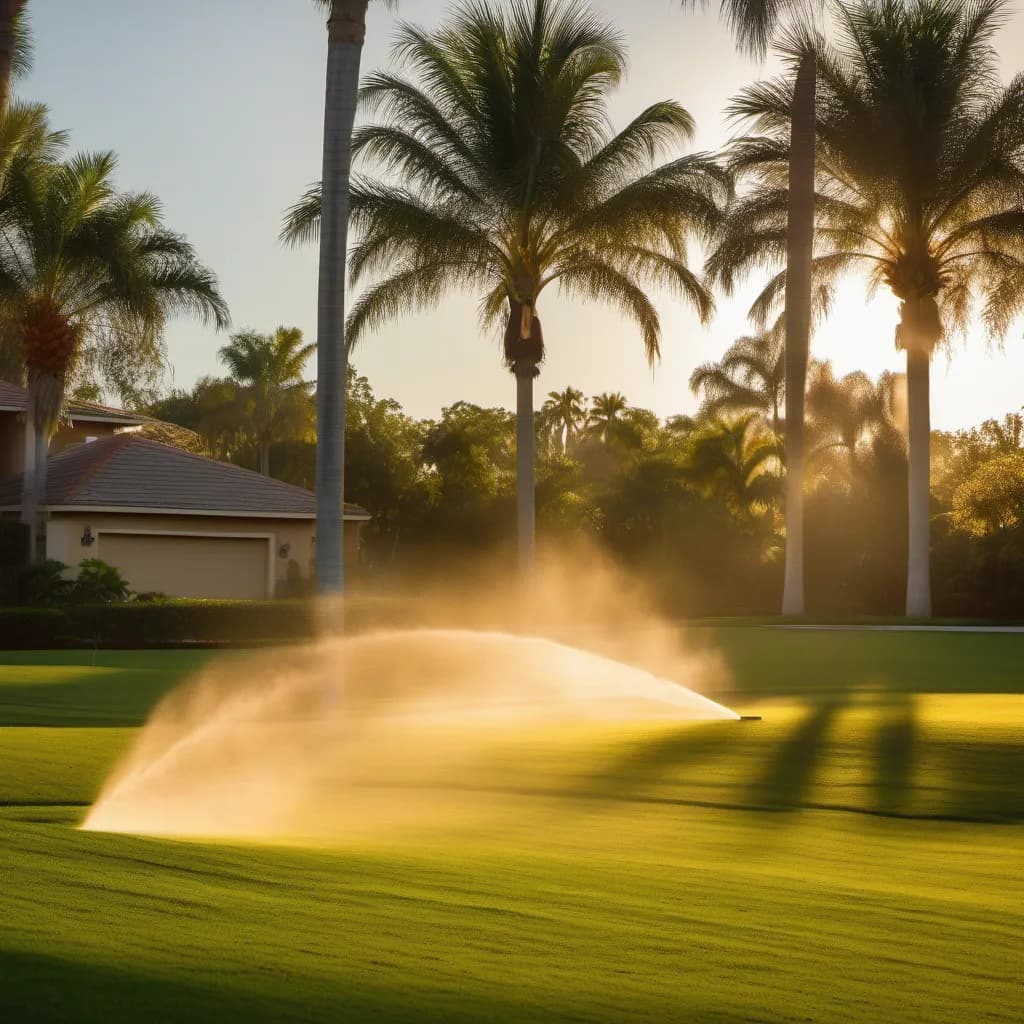
Cape Coral is brutal on paver surfaces: UV that bleaches pigment, summer deluges that flush joint sand into the lawn, sprinklers throwing iron-stained well water, and mold that colonizes anything damp by August. Sealing is how a paver driveway or pool deck keeps looking installed-last-year - here's what it actually costs in 2026, and what the quotes you'll collect are really made of.
The Quick Answer
A professional clean, re-sand, and seal in Cape Coral runs about $1 to $2 per square foot, with most jobs carrying a minimum in the $300-$500 range because equipment and product mobilize regardless of size.
Worked examples at the typical range:
- 650 sq ft driveway: roughly $650-$1,300
- 800 sq ft pool deck: roughly $800-$1,600
- 400 sq ft patio: roughly $400-$800, minimums permitting
The spread isn't padding - it's condition and product, explained below.
What Moves You Up or Down the Range
Condition of the surface. A lightly weathered deck that needs a wash and a coat sits at the bottom. A neglected driveway with black mold colonies, weeds rooted in the joints, and efflorescence (that white mineral haze) needs aggressive cleaning, treatment, and drying time before any sealer can go down - that's the top of the range.
Re-sanding. Joint sand is structural: it locks the pavers against each other. Years of Cape Coral downpours flush it out, so a proper job re-sands the joints (usually with polymeric sand) before sealing locks everything in place. Skipping the re-sand is how cheap quotes get cheap.
Finish choice. Natural-look penetrating sealers protect without changing appearance. Wet-look and gloss film sealers pop the color dramatically but cost more per coat, usually want two coats, and re-coat sooner. Neither is wrong - they're different maintenance contracts.
Water source overspray. A Cape Coral specialty: irrigation running on well or canal water throws iron that stains sealed and unsealed surfaces orange. If your sprinklers hit the driveway, fixing head aim before sealing is worth more than any product upgrade.
New Pavers: Wait Before the First Seal
Freshly installed pavers should cure and weather before their first sealing - commonly 30 to 90 days - so efflorescence can migrate out and rinse away instead of being trapped as a permanent white haze under the sealer. If a contractor wants to seal the same week they install, ask why. (New installs from us come with guidance on when the first seal makes sense; the install itself is at our published $8/sq ft rate.)
Travertine Is a Different Conversation
Natural stone doesn't take film-forming paver sealer well - travertine wants a penetrating sealer for stain resistance, applied more sparingly and less often, precisely so it keeps its matte, cool-underfoot surface. If your deck is stone rather than concrete pavers, the travertine page covers care and costs separately.
How Often Does This Repeat?
In our sun and rain: every 3-5 years for natural-finish sealers, faster for gloss finishes and hard-worked surfaces. The signals and the full schedule logic are in our companion guide: how often should you reseal pavers in Florida?
The Honest Bottom Line
Sealing is cheap insurance on an expensive surface: a few hundred dollars every few years protecting five figures of hardscape. The failure mode isn't skipping it once - it's skipping it for a decade, then paying for restoration-grade cleaning plus sealing anyway.
Want a number for your driveway or deck? Call (239) 799-5594 or request a free quote - sealing quotes are free, and if we installed your pavers we already know exactly what's on them.
Get a free paver quote
Name and phone is all we need. Serving Cape Coral, Fort Myers and all of SW Florida.