Black Olive Trees, Delivered and Planted in SW Florida
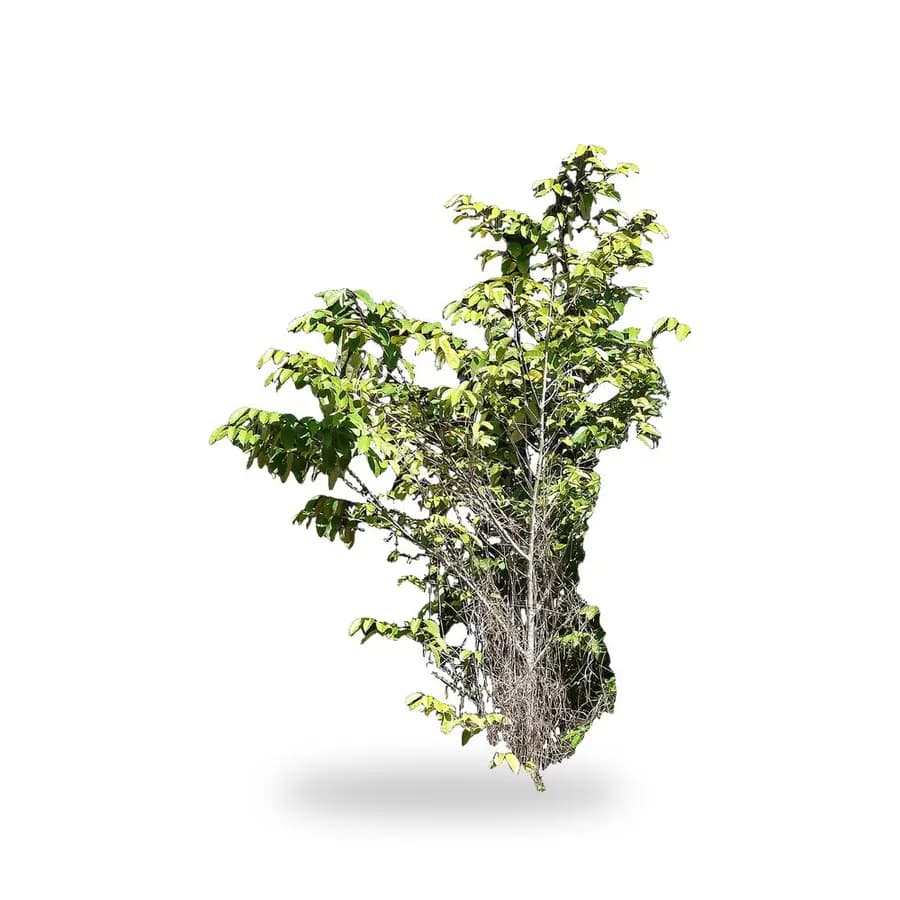
Black olive is a dense, evergreen shade tree that handles Southwest Florida's heat, drought, salt spray and alkaline soil, which is why it is so common on coastal lots. It grows 40 to 50 feet tall and nearly as wide, so it needs space, and its small black fruit stains paving. Its hurricane record is only fair. We deliver and plant it.
- Light:
- Full sun to part shade
- Water:
- Low once established; drought tolerant
- Salt:
- High
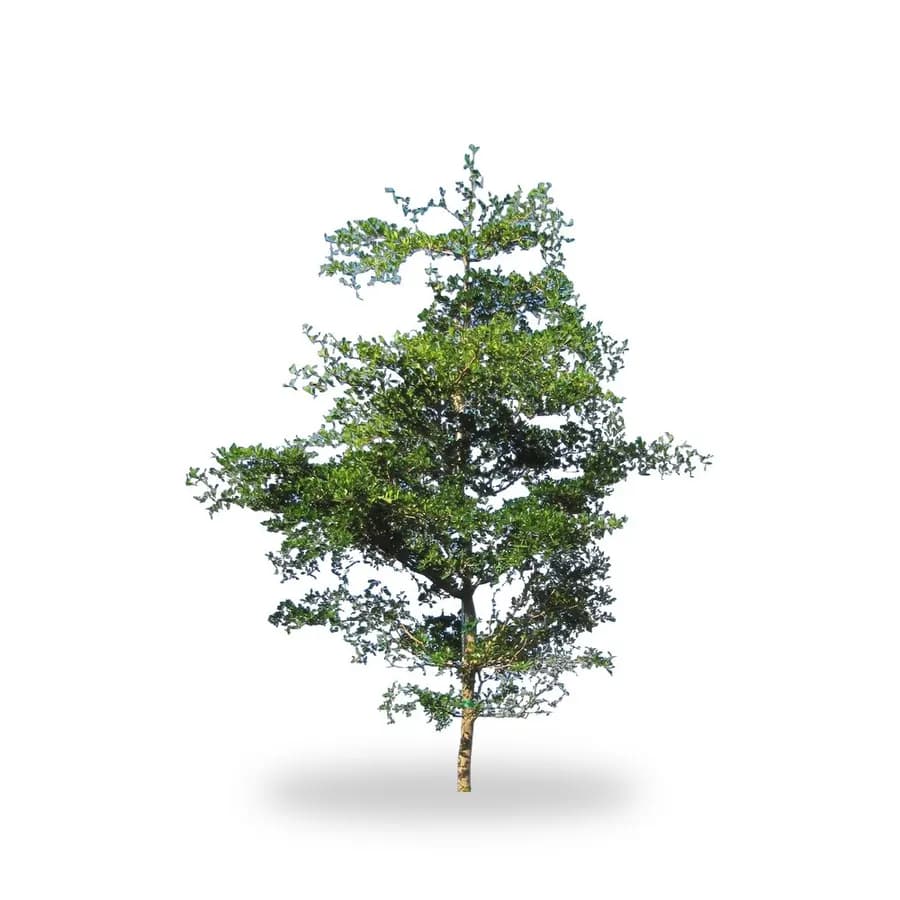
Black Olive Tree sizes we deliver and plant
Every size below is planted by our crew, set at the right depth and watered in. Send the size and how many, and we text back a planted price, usually within the hour during the day.
| Plant | Sizes |
|---|---|
| Black Olive Tree | Call for Quote |
Black Olive Tree in SW Florida, at a glance
- Mature size here
- 40 to 50 ft tall and 35 to 50 ft wide
- Light
- Full sun to part shade
- Water
- Low once established; drought tolerant
- Salt tolerance
- High
- Cold tolerance
- Slight damage near 32°F and killed around 25°F; fine on the coast, may be hurt inland in a hard freeze
- Growth rate
- Moderate to fast
- Florida native
- No in SW Florida; native to the Caribbean (its upper Keys status is disputed)
- Botanical name
- Terminalia buceras (also called Bucida buceras)
Where Black Olive Tree works in a SW Florida yard
Plant black olive in a large yard, 20 or more feet from the house, pool and driveway, where the wide crown has room and the staining fruit and leaf litter will not land on pavers or parked cars.
It casts dense shade, so shade-tolerant plants like cast iron plant and coontie fit underneath better than turf. UF/IFAS points to natives like gumbo limbo and satin leaf as alternatives.
- Large shade tree
- Coastal salt-spray sites
- Drought-tolerant yard tree
- Big open lawns
How our crew plants it
Dig the hole 2 to 3 times as wide as the root ball and no deeper, and set the root flare at or slightly above soil level. Water in deeply, using the extra watering Lee and Collier allow for new plantings. Prune for strong structure in the first years, choosing one dominant leader and well-spaced branches.
Care after planting
- Water young trees regularly through the first year, then rely on rain and your assigned days, since established black olive tolerates drought.
- Prune for structure while it is young, and have the crown thinned by a certified arborist as it matures, ahead of hurricane season.
- Feed lightly in spring with a slow-release fertilizer that includes iron and manganese, since high-pH soil causes yellowing, and remember that nitrogen and phosphorus are off limits in Lee County, Naples and Marco Island from June 1 to September 30.
- Hose fruit and leaf litter off patios and cars during the mid to late summer fruiting season before it stains.
What to watch for
- The ripe fruit exudes a staining tannic material, and mites and black olive caterpillars add rusty staining, so avoid planting over pavers, pool decks or parked cars.
- UF/IFAS hurricane surveys rate black olive medium-low for wind resistance, and it was among the poorest-surviving broadleaf trees after Hurricane Charley, so prune for structure and keep it away from the house.
- UF/IFAS lists black olive as a caution plant in South Florida, meaning it can be planted but should be managed so seedlings do not escape into natural areas; it is not on the FLEPPC invasive list.
Black Olive Tree questions we hear
Is black olive tree salt tolerant for a canal or Gulf-side lot?+
Yes. UF/IFAS rates black olive's salt-spray tolerance as high, and it handles drought and alkaline soil, so it is common on coastal lots across Cape Coral, Fort Myers and Naples. Its weak spots are wind and fruit stain, not salt.
Does black olive tree stain driveways and pool decks?+
It can. The small black fruit ripens in mid to late summer and leaves a tannic stain on pavers, patios and cars, and mites and caterpillars add rusty staining. Keep it 20 feet or more from pavement and pools, or choose a less messy tree like gumbo limbo.
How big does a black olive tree get, and how far from the house?+
Plan on 40 to 50 feet tall and 35 to 50 feet wide. Plant it 20 feet or more from the house, pool and driveway. It has thorns along some branches, so keep it away from walkways, and prune it for structure early.
Updated October 2026
Get a planted price on Black Olive Tree
Tell us what and how many. Quinten prices it from the nursery's live list and texts you back, usually within the hour during the day.
Only need the plant delivered, no planting? It is on our nursery's list at Palm & Plant Co.
Also worth a look
More like this
All shade trees
The service
Tree and shrub installation
Planning a whole yard
See it in 3D first
We deliver and plant across Cape Coral, Fort Myers, Naples, Estero, Bonita Springs and about an hour around.