Bromeliads, Delivered and Planted in SW Florida
Bromeliads are tropical rosette plants that bring bold color and texture to shade under trees, around palms and in tropical beds, and Southwest Florida's warm, humid shade suits them well. Colors run from silver-gray to red and raspberry, and most bloom once, then replace themselves with pups. Cold and mosquitoes are the two things to manage. Sizes run 1, 3 and 7 gallon, planted at the right height by our crew.
- Light:
- Bright shade to filtered sun; morning sun is fine, hot afternoon sun can scorch soft leaves
- Water:
- Low to moderate; rain plus occasional irrigation in fast-draining soil, with the center cups flushed regularly
- Salt:
- Low to moderate; give oceanfront plantings shelter from direct salt spray
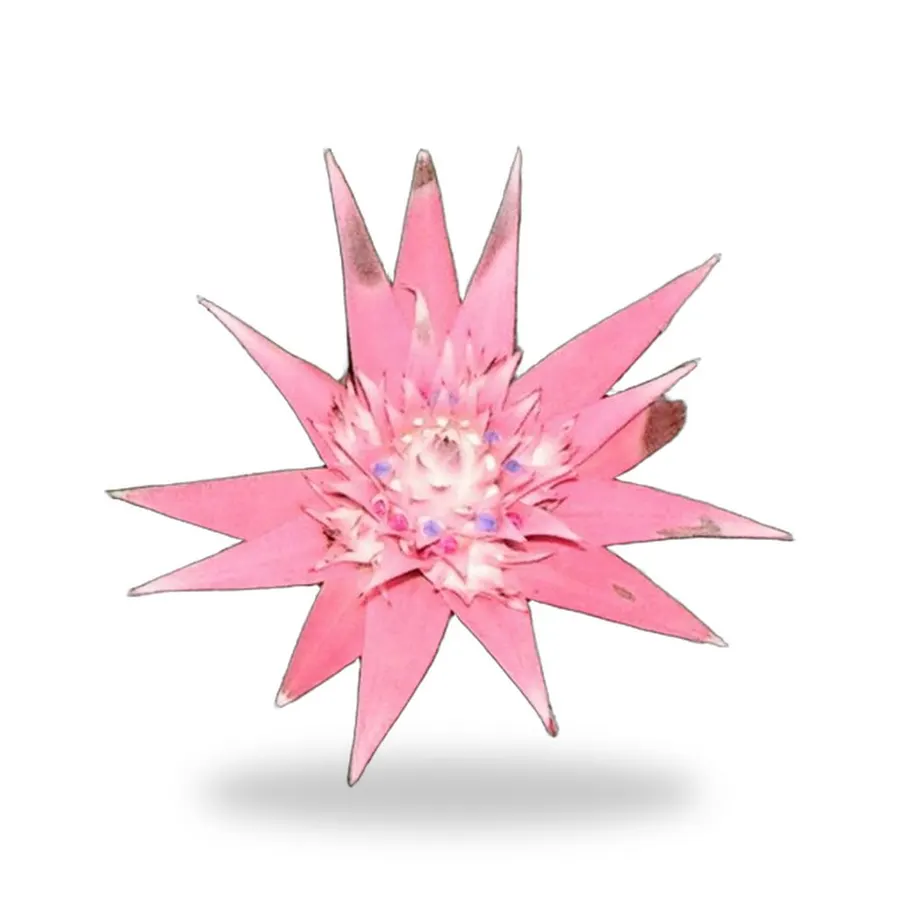
Bromeliads sizes we deliver and plant
Every size below is planted by our crew, set at the right depth and watered in. Send the size and how many, and we text back a planted price, usually within the hour during the day.
| Variety or form | Sizes | Good to know |
|---|---|---|
| Bromeliad | 1 Gallon | Our 1 gallon bromeliad, the smallest size and an easy way to fill a shaded bed or the base of a palm. |
| Bromeliad Splendor | 3 Gallon | A 3 gallon bromeliad grown for colorful foliage, a good accent for a shaded entry bed. |
| Bromeliad Grey Adorata | 3 Gallon, 7 Gallon | A silver-gray, sculptural bromeliad in 3 and 7 gallon, striking against green foliage; the 7 gallon is the larger specimen. |
| Bromeliad Imperial | 3 Gallon | A large, bold bromeliad with strappy leaves in 3 gallon; give it room, since the big types spread several feet across. |
| Bromeliad Imperialis | 7 Gallon | A big, imposing bromeliad in 7 gallon, the largest container size in this group, for an anchor plant with presence. |
| Bromeliad Raspberry | 3 Gallon, 7 Gallon | A red-toned bromeliad in 3 and 7 gallon; bright light keeps the color rich. |
| Bromeliad Red Tip | 3 Gallon | A 3 gallon bromeliad with red-tipped foliage, a small touch of warm color for a shady bed. |
Bromeliads in SW Florida, at a glance
- Mature size here
- From about 1 ft across for the small types to several feet across for the big Imperial types
- Light
- Bright shade to filtered sun; morning sun is fine, hot afternoon sun can scorch soft leaves
- Water
- Low to moderate; rain plus occasional irrigation in fast-draining soil, with the center cups flushed regularly
- Salt tolerance
- Low to moderate; give oceanfront plantings shelter from direct salt spray
- Cold tolerance
- Tender: leaves are damaged near freezing and can chill in the 30s, so cover them on frost nights; coastal yards rarely get frost, inland yards more often
- Growth rate
- Slow to moderate
- Spacing
- 12 to 24 in apart for the small types, 3 to 5 ft for the big Imperial types
- Florida native
- No, native to tropical America
Where Bromeliads works in a SW Florida yard
Bromeliads fill the spots where lawn and most flowering plants fail: the shaded base of a palm, the dappled ground under an oak, the corner beside a patio. Use the silver Grey Adorata and the big Imperial types as sculptural anchors, then group the red and raspberry types in drifts of three to five for color.
Ornamental ginger, philodendron and ti plant make a good leafy backdrop, and bark or mulch around the roots looks better than bare sand.
- Shaded tropical beds
- Bases of palms and oaks
- Color accents near entries
- Bold container plantings
How our crew plants it
Keep the crown, the center cup, above the soil line and never bury the base of the leaves. Dig a hole about as deep as the root ball and wider than it, and use native sand or sand with a little bark, since bromeliads want fast drainage, not rich soil.
Water in, then mulch lightly with bark or pine straw. New plantings may be watered extra under Lee and Collier rules, so keep the soil lightly moist until roots grip, then let rain and your assigned days carry them.
Care after planting
- Flush the water out of the center cups every week or two, or drop in a mosquito dunk, to keep mosquitoes from breeding.
- Feed lightly with a diluted liquid fertilizer or a quarter-rate slow-release around the base in spring and early fall, never packed into the cup, and skip nitrogen and phosphorus products from June 1 to September 30 under the Lee County, Naples and Marco Island ban.
- Cover bromeliads on nights forecast near freezing; frost cloth or a bed sheet over the plants is enough in most winters.
- After a plant blooms it slowly declines while pups take over, so cut away the spent mother plant once it browns.
- Give the red and raspberry types bright light, since their color fades in deep shade, and shade them from hot afternoon sun in summer.
What to watch for
- Water that collects in the cups breeds mosquitoes, so flushing the cups or adding a mosquito dunk every week or two keeps that in check.
- The Mexican bromeliad weevil has wiped out many native Florida wild pines and can also attack landscape bromeliads; a wilting center or a chewed, rotting crown is the warning sign, so ask your county UF/IFAS Extension office about treatment.
Bromeliads questions we hear
Do bromeliads grow in Southwest Florida?+
Yes, they do very well. Bromeliads like the warmth, humidity and rain of Lee and Collier counties, and many thrive in the shade of palms and oaks. The main limits are cold near freezing, hot afternoon sun that scorches soft leaves, and soggy soil. Plant them in bright shade with fast drainage.
Do bromeliads need full sun or shade?+
Most do best in bright shade or filtered sun. Morning sun is fine, but hot summer afternoon sun scorches soft-leaved types and bleaches color. Red and raspberry types need good light to hold their color, and silver-gray types usually take more sun than green ones.
How often should I water bromeliads in the ground?+
Rain and your assigned irrigation days cover most plantings, with extra water for the first month or two after planting. Water the soil, not just the center cup, and let the top inch dry between waterings. Flush the cup every week or two to keep it fresh and mosquito-free.
Will bromeliads survive a freeze in Cape Coral?+
Usually, with protection. Bromeliads are tropical, and leaves are damaged near freezing and can chill in the 30s, so cover them with frost cloth on cold nights. Coastal yards in Cape Coral and Naples rarely get frost, while inland sites like Lehigh Acres get it more often. Plants that burn often regrow from the center or from pups.
Do bromeliads attract mosquitoes?+
They can. Water that collects in the center cup is a place where mosquitoes lay eggs. Flush the cups with a hose every week or two, or add a mosquito dunk to the water, and plant bromeliads where you can reach and check them easily.
What do bromeliads do after they bloom?+
Each rosette blooms once, and the bloom can last for months. Then the plant slowly fades while pups grow at its base and take its place. Let the pups fill in and cut away the old plant when it browns. That is how one bromeliad turns into a clump over a few seasons.
Updated October 2026
Get a planted price on Bromeliads
Tell us what and how many. Quinten prices it from the nursery's live list and texts you back, usually within the hour during the day.
Only need the plant delivered, no planting? It is on our nursery's list at Palm & Plant Co.
Also worth a look
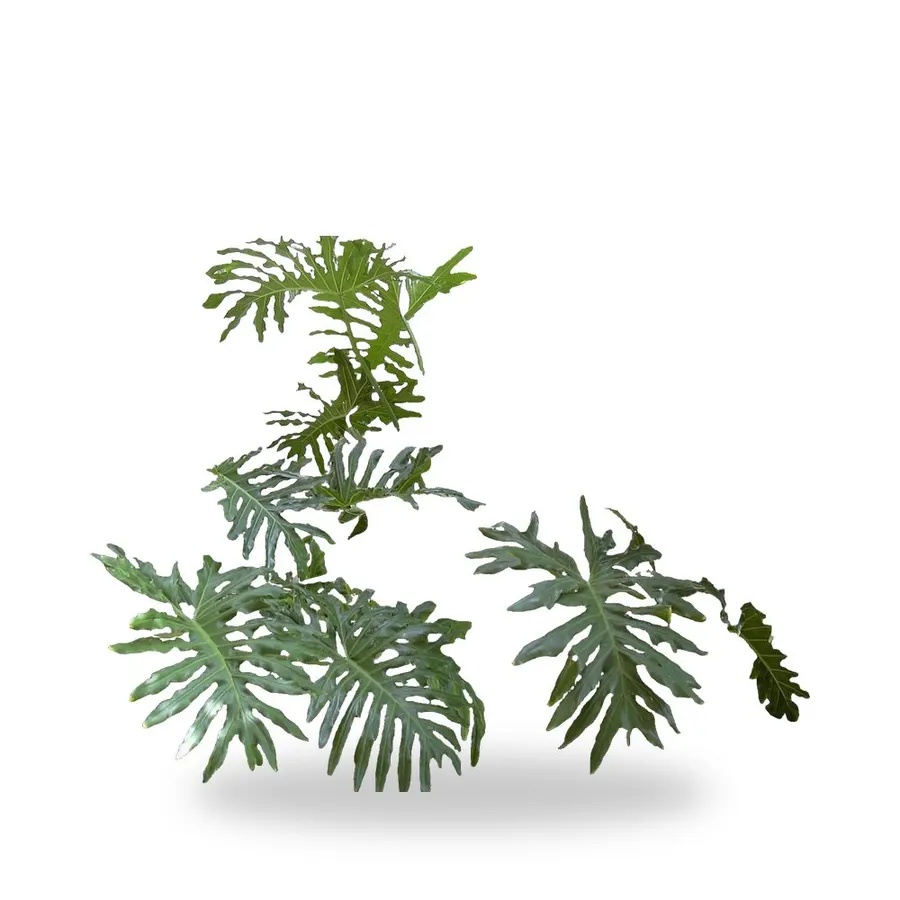
Philodendron & Monstera
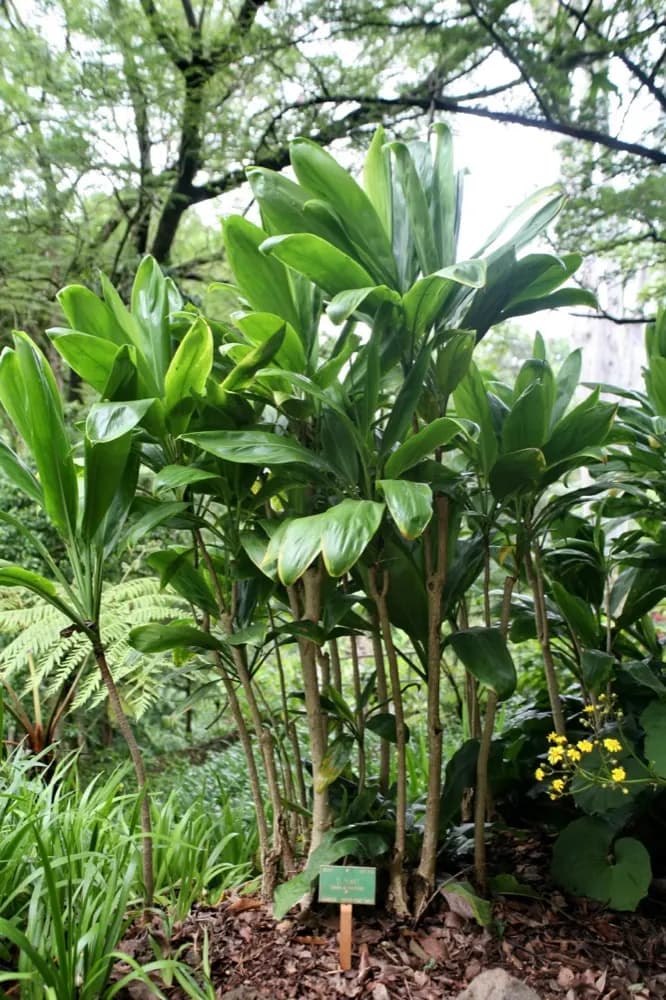
Ti Plant (Cordyline)
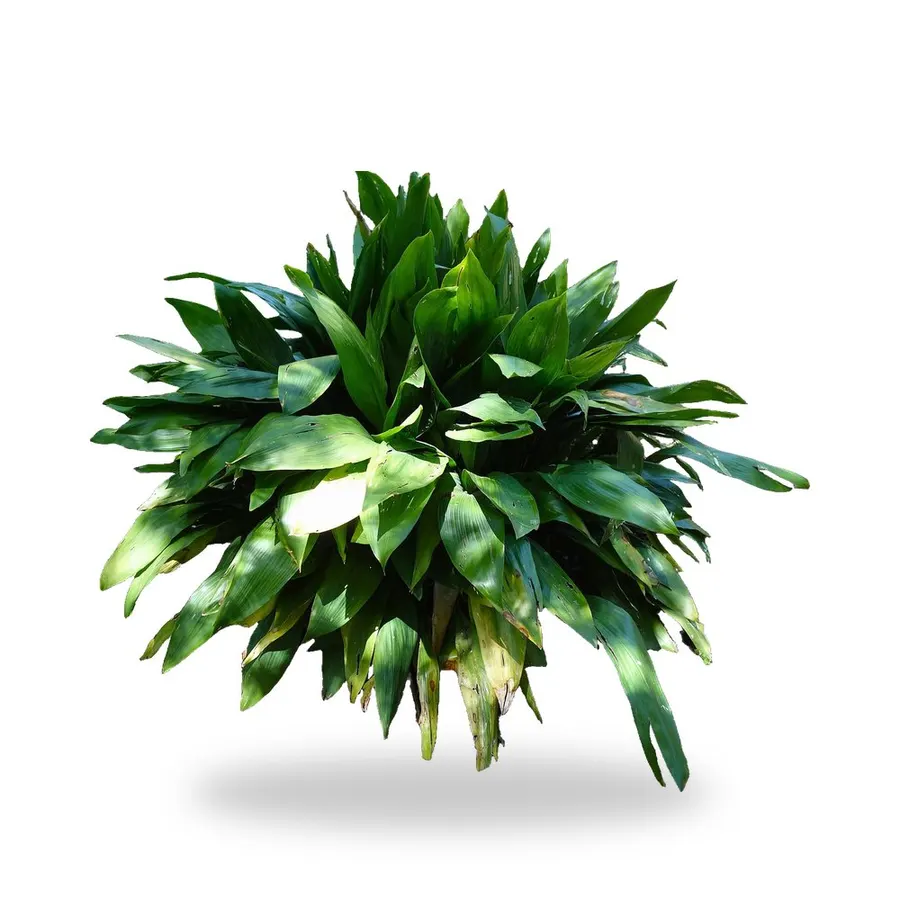
Cast Iron Plant
Ornamental Ginger
Alocasia (Elephant Ear)
Orange Bird of Paradise
More like this
All tropical plants
The service
Landscape installation
Planning a whole yard
See it in 3D first
We deliver and plant across Cape Coral, Fort Myers, Naples, Estero, Bonita Springs and about an hour around.