Alocasia Elephant Ears, Delivered and Planted in SW Florida
Alocasia gives Southwest Florida's shade gardens their biggest leaves, as long as it stays out of hot afternoon sun and frost. Also called elephant ear, it suits entries, courtyards and shaded beds where big leaves carry the design. The sap irritates if chewed, and cold kills the leaves, though many types regrow from the base. We stock six kinds, from compact to giant.
- Light:
- Part shade; morning sun is fine, hot afternoon sun scorches the leaves
- Water:
- Regular; keep evenly moist but well drained
- Salt:
- Low; keep out of salt spray
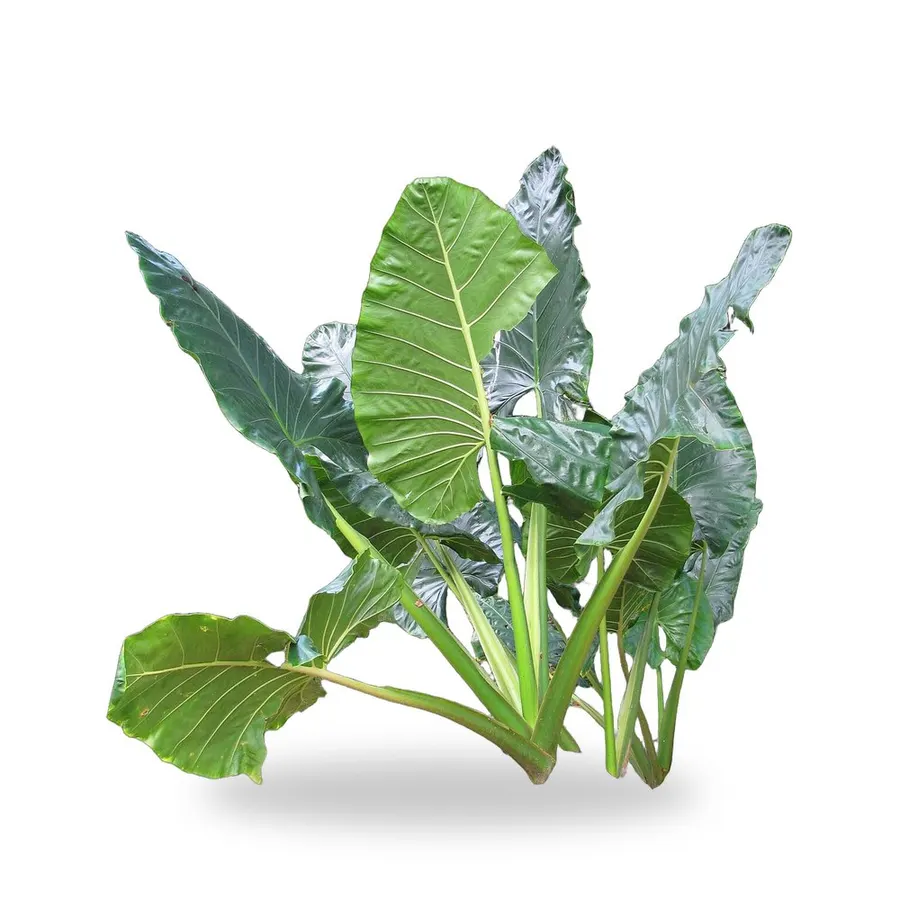
Alocasia (Elephant Ear) sizes we deliver and plant
Every size below is planted by our crew, set at the right depth and watered in. Send the size and how many, and we text back a planted price, usually within the hour during the day.
| Variety or form | Sizes | Good to know |
|---|---|---|
| Alocasia Black Elephant Ear | 7 Gallon | The darkest of the group, with deep purple-black leaves, sold in the big 7 gallon size for an instant dramatic accent. |
| Alocasia Dwarf | 3 Gallon | A compact type for pots, entries and tight beds where the bigger elephant ears would overwhelm. |
| Alocasia Hilo Beauty | 3 Gallon | A smaller type with speckled, patterned leaves that adds texture low in the bed and may die back in cool weather before returning in spring. |
| Alocasia Regal Shield | 3 Gallon | Large, glossy, dark green shield-shaped leaves on an upright plant, a strong mid-bed accent. |
| Alocasia Odora | 3 Gallon, 7 Gallon | The classic big, upright elephant ear, the tallest of the six, sold in 3 and 7 gallon sizes. |
| Alocasia Imperialista | 3 Gallon | A compact, patterned collector's plant that wants the most shelter from cold and hot sun. |
Alocasia (Elephant Ear) in SW Florida, at a glance
- Mature size here
- 2 to 6 ft tall and 2 to 5 ft wide depending on the type; Odora can pass 6 ft
- Light
- Part shade; morning sun is fine, hot afternoon sun scorches the leaves
- Water
- Regular; keep evenly moist but well drained
- Salt tolerance
- Low; keep out of salt spray
- Cold tolerance
- Leaves suffer in the 40s°F and frost kills the tops; many regrow from the base in spring, so protect the smaller types on cold nights
- Growth rate
- Moderate to fast
- Spacing
- 2 to 3 ft on center for the compact types, 4 to 6 ft for Odora
- Florida native
- No
Where Alocasia (Elephant Ear) works in a SW Florida yard
Use alocasia for big leaves where lawns and most flowers sulk: the shady east side of a house, under an oak or palm canopy, and in courtyards. Odora gives you height at the back, Regal Shield and Black Elephant Ear fill the middle, and the compact Dwarf, Hilo Beauty and Imperialista suit pots and front-of-bed spots.
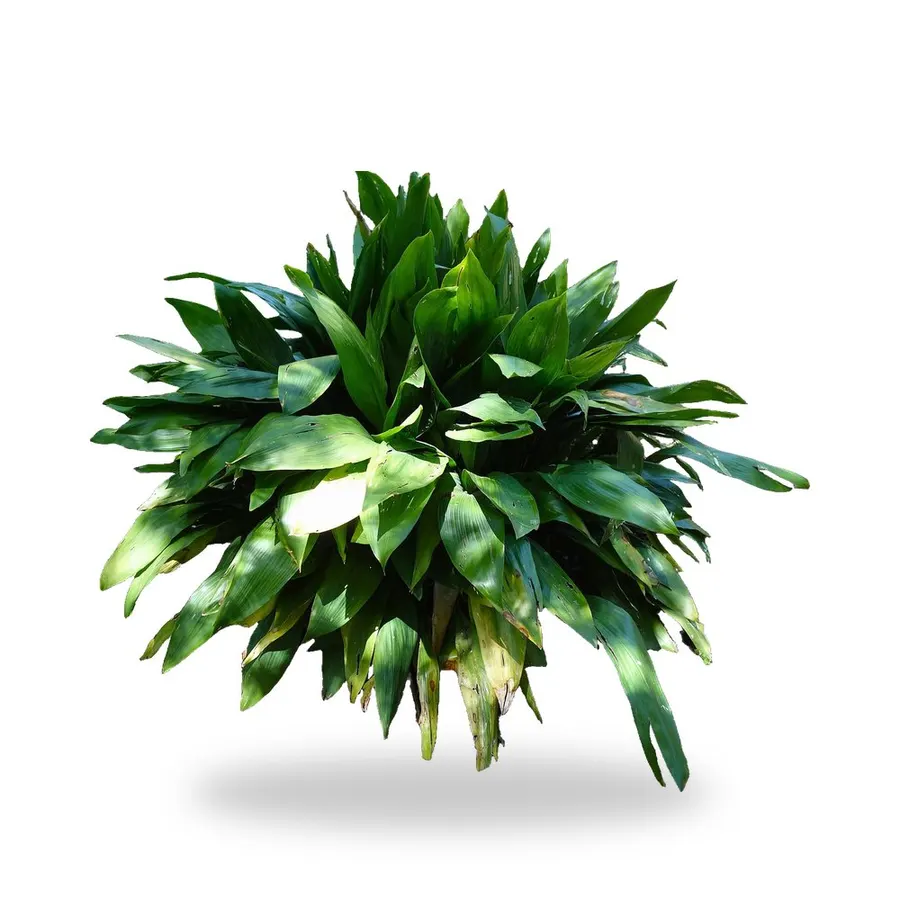
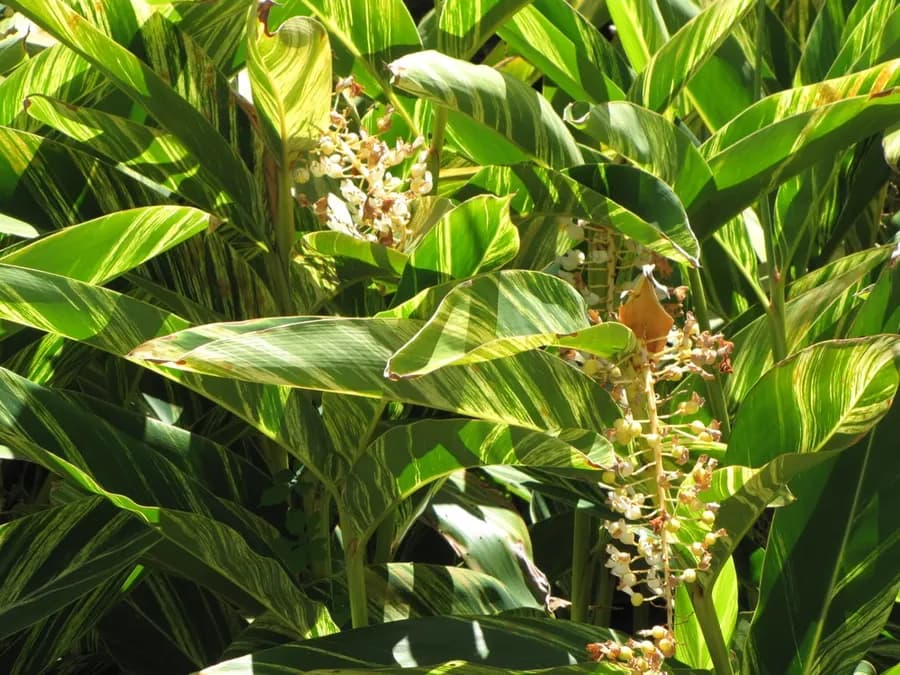
Cast iron plant, philodendron and ornamental ginger share the same shade and moisture. Keep them near a hose bib and out of cold, windy corners.
- Shaded courtyard accents
- Bold-leaf tropical beds
- Large container plantings
- Entry and walkway accents
How our crew plants it
Choose a spot with morning sun or bright shade and soil that drains, then set the crown level with the soil in a hole twice as wide as the pot, keeping mulch off the stems. Alocasias rot in standing water, so skip low spots that stay soggy after summer rain, or build the bed up a few inches.
The crew sets each plant, waters it in and cleans up. Keep the soil evenly moist while new plantings establish, using the extra watering Lee and Collier allow.
Care after planting
- Keep the soil evenly moist, because leaves droop fast when the bed dries out, and hand water in April and May when your assigned two days fall short.
- Feed in spring and early fall with a micronutrient-rich slow-release fertilizer, and stay off nitrogen and phosphorus from June 1 to September 30.
- Cut off yellowing and frost-burned leaves at the base, and wait for spring growth before deciding a plant did not survive.
- Mulch 2 to 3 inches deep to hold moisture and insulate the roots in a cold snap.
- Rinse off spider mites and mealybugs, which show up on dry or stressed plants.
What to watch for
- All parts contain calcium oxalate crystals that burn the mouth and irritate skin, so keep them away from chewing pets and small children and wear gloves when dividing.
- Elephant ear is a common name for several plants, and wild taro (Colocasia esculenta) is on Florida's invasive plant list, so keep any elephant ear out of canals, ditches and preserves and never dump trimmings there.
- Overwatering and standing water cause root rot.
Alocasia (Elephant Ear) questions we hear
Can alocasia grow outside in Southwest Florida?+
Yes, in part shade. SW Florida is warm enough for alocasia to grow outdoors year-round on the coast, and many types regrow from the base after a cold snap. Keep it out of hot afternoon sun, protect it when nights drop into the 40s and give it steady moisture.
What is the difference between alocasia and colocasia elephant ears?+
Alocasia leaves usually point up and out, while colocasia leaves hang down. Colocasia esculenta, wild taro, is on Florida's invasive plant list and takes over wet ground, so keep every elephant ear away from canals and ditches. UF/IFAS says Alocasia is not known to be invasive in Florida.
Are alocasias poisonous to dogs and cats?+
Yes. All parts contain calcium oxalate crystals that irritate the mouth and throat if chewed, causing drooling and vomiting, and the sap can irritate skin. If you have a chewer, put pots out of reach or pick a different plant, and call a vet if your pet eats it.
Can alocasia take full sun in Florida?+
Not in the afternoon. Morning sun or bright shade is best, and hot afternoon sun scorches the leaves, especially in summer and beside reflective walls or driveways. Deep shade makes plants lanky and slow. If you only have an afternoon-sun spot, pick a different plant or add shade first.
Will my alocasia come back after a freeze?+
Often, yes. Frost kills the leaves, but UF/IFAS notes alocasia regrows from the base when warm weather returns in zone 8A and south. Small collector types are less reliable, so cover them on cold nights. Wait until the danger of frost passes, then cut off the dead leaves at the base.
How much does it cost to have elephant ears delivered and planted?+
It depends on the type, pot size and how many plants, and a planted price arrives by text, usually within the hour during the day. Tell us which of the six you want and about how many. Half down holds the plants and a delivery day.
Updated October 2026
Get a planted price on Alocasia (Elephant Ear)
Tell us what and how many. Quinten prices it from the nursery's live list and texts you back, usually within the hour during the day.
Only need the plant delivered, no planting? It is on our nursery's list at Palm & Plant Co.
Also worth a look
More like this
All tropical plants
The service
Landscape installation
Planning a whole yard
See it in 3D first
We deliver and plant across Cape Coral, Fort Myers, Naples, Estero, Bonita Springs and about an hour around.