Xanadu Philodendron, Delivered and Planted in SW Florida
Xanadu is a compact, non-climbing philodendron with deeply lobed, glossy leaves, and it grows well in SW Florida's heat and humidity. It forms a rounded clump 2 to 4 feet tall, so it suits shade and part-sun beds, foundation planting and the ground under trees. It is frost-tender, and the leaves scorch in hard afternoon sun, so placement matters. We stock it in 3 gallon.
- Light:
- Part shade to bright shade; morning sun is fine, hot afternoon sun scorches the leaves
- Water:
- Moderate; likes steady moisture and good drainage
- Salt:
- Low to moderate; keep it out of direct salt spray
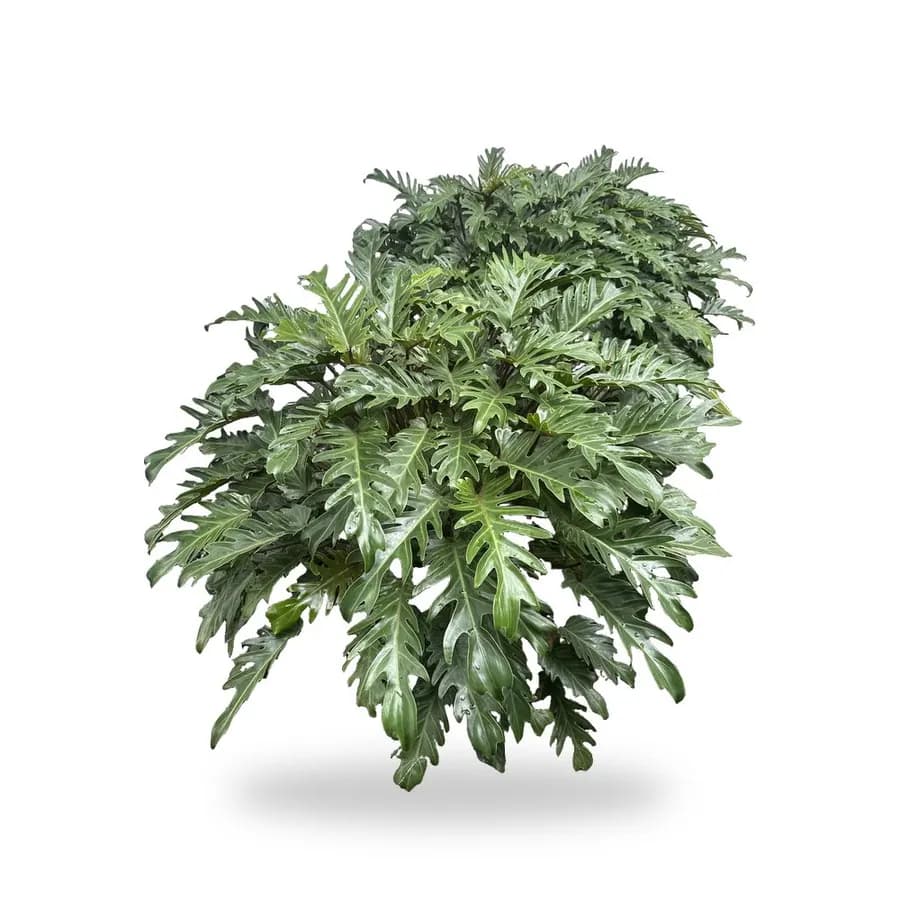
Xanadu sizes we deliver and plant
Every size below is planted by our crew, set at the right depth and watered in. Send the size and how many, and we text back a planted price, usually within the hour during the day.
| Plant | Sizes |
|---|---|
| Xanadu | 3 Gallon |
Xanadu in SW Florida, at a glance
- Mature size here
- 2 to 4 ft tall, 3 to 5 ft wide
- Light
- Part shade to bright shade; morning sun is fine, hot afternoon sun scorches the leaves
- Water
- Moderate; likes steady moisture and good drainage
- Salt tolerance
- Low to moderate; keep it out of direct salt spray
- Cold tolerance
- Leaves burn in a frost and a hard freeze can kill the top growth; cover on frost nights, and it may resprout
- Growth rate
- Moderate
- Spacing
- 3 to 4 ft on center
- Florida native
- No
- Botanical name
- Philodendron xanadu
Where Xanadu works in a SW Florida yard
Xanadu fills the mid-height gap in a tropical bed, between low groundcovers and taller palms. Its round, lobed leaves look best against finer textures, so pair it with bromeliads, cast iron plant and ti plant, or let it fill a corner under oaks or palms.
Plant it in groups of three or five for a mass, 3 to 4 feet apart, or use a single plant beside a front entry. It stays compact and clumping, so it needs little trimming.
- Shade and part-shade beds
- Foundation planting
- Under trees and palms
- Entry planters
How our crew plants it
Plant Xanadu in a hole twice as wide as the pot and no deeper than the root ball, with the top of the soil level with the bed. Space plants 3 to 4 feet apart. We backfill with native soil, water in well and mulch 2 to 3 inches deep, away from the crown.
Lee and Collier allow extra watering for new plantings, so keep the root ball moist every day or two for the first few weeks, then ease back to your assigned days.
Care after planting
- Give it morning sun or filtered light; yellowing and scorched leaves in July and August usually mean too much afternoon sun.
- Water on your assigned days once rooted, and add a hand-watering in the dry weeks of March to May.
- Feed lightly in spring and early fall with a slow-release landscape fertilizer, skipping nitrogen and phosphorus from June 1 to September 30 where local rules ban them.
- Cover it with frost cloth on frost nights, especially inland, and trim burned leaves in spring.
- Wear gloves when trimming or dividing, since the sap can irritate skin.
What to watch for
- All parts contain calcium oxalate and cause mouth burning and swelling if chewed, so keep it away from pets and toddlers that chew leaves.
- Wet, poorly drained beds cause root and crown rot, so plant it where water drains away after summer storms.
Xanadu questions we hear
How big does a Xanadu philodendron get?+
In SW Florida it typically makes a rounded clump 2 to 4 feet tall and 3 to 5 feet wide. It stays compact and doesn't climb. Give each plant about 3 to 4 feet of space, and keep it a few feet off walls and walkways, since the leaves spread wider than the clump looks in the pot.
Does Xanadu need sun or shade?+
Part shade to bright shade works best. Morning sun is fine, and filtered light under trees is ideal. Strong afternoon sun in SW Florida yellows and scorches the leaves, so avoid hot west-facing exposures. Deep shade makes the plant more open and leggy.
Will Xanadu survive a freeze?+
Frost burns the leaves, and a hard freeze can kill the top growth. Coastal Lee and Collier rarely get that cold. Inland, plant it near the house or under a canopy and cover it on frost nights. Plants that get burned often resprout when warm weather returns.
Is Xanadu philodendron poisonous to dogs and cats?+
Yes. Like other philodendrons, it contains calcium oxalate crystals that cause mouth irritation, drooling and vomiting if chewed. The sap can also irritate skin. Keep pets and toddlers from chewing the leaves, wear gloves when trimming, and call your vet if a pet eats some.
How far apart should I plant Xanadu?+
Space plants 3 to 4 feet apart on center. At 3 feet, a mass planting touches in a season or two; at 4 feet you get a more open, sculptural look. Plant in groups of three or five rather than a single line for a more natural bed.
How often do I water Xanadu in Florida?+
New plants need water every day or two for the first few weeks, using the extra watering Lee and Collier allow for new plantings, then taper to your assigned days. Established Xanadu likes steady moisture and handles the rainy season well in drained soil. Add a hand-watering during dry stretches in spring.
Updated October 2026
Get a planted price on Xanadu
Tell us what and how many. Quinten prices it from the nursery's live list and texts you back, usually within the hour during the day.
Only need the plant delivered, no planting? It is on our nursery's list at Palm & Plant Co.
Also worth a look
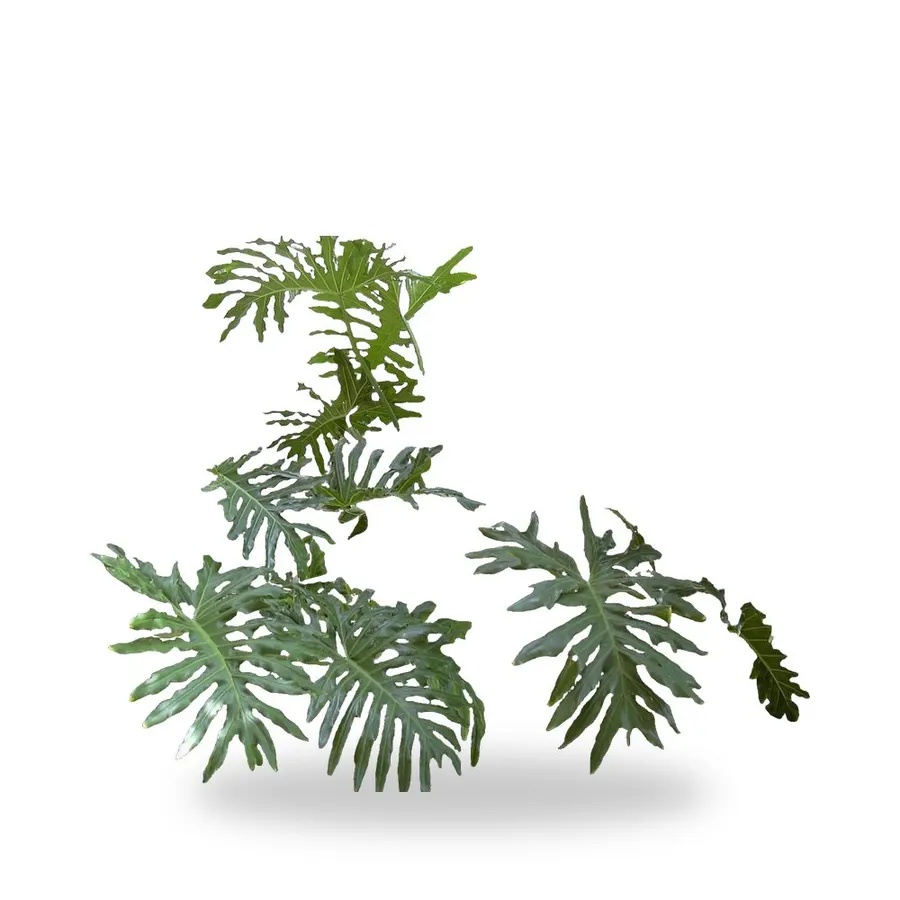
Philodendron & Monstera

Alocasia (Elephant Ear)
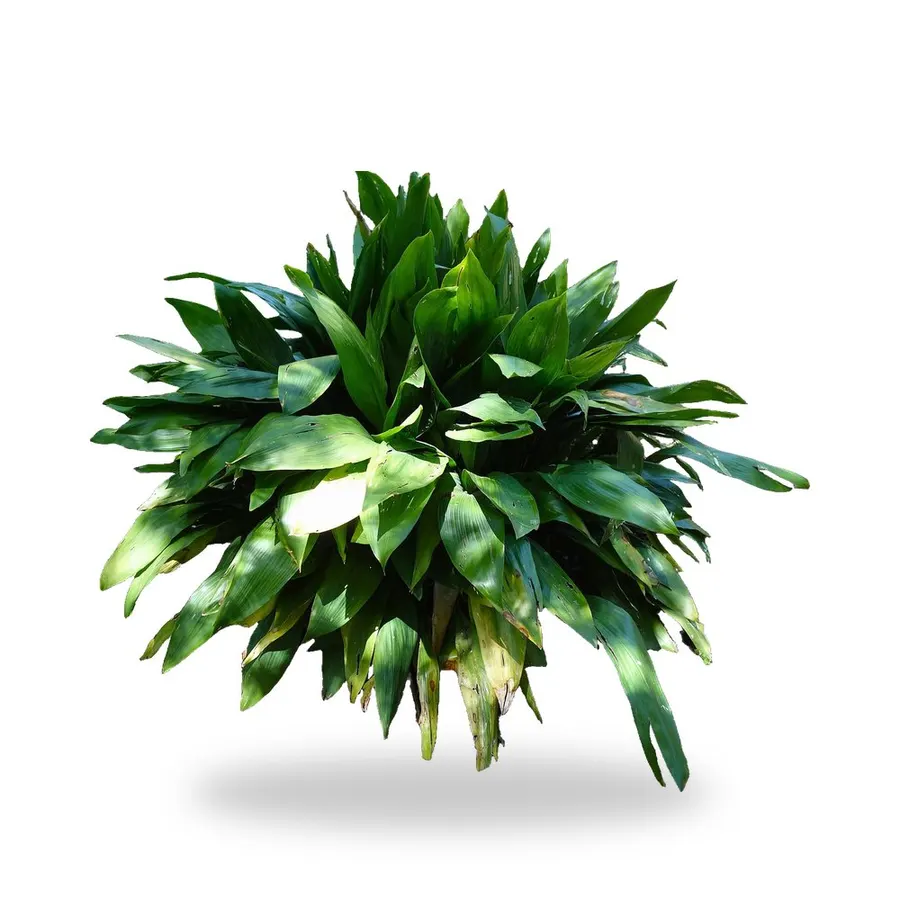
Cast Iron Plant
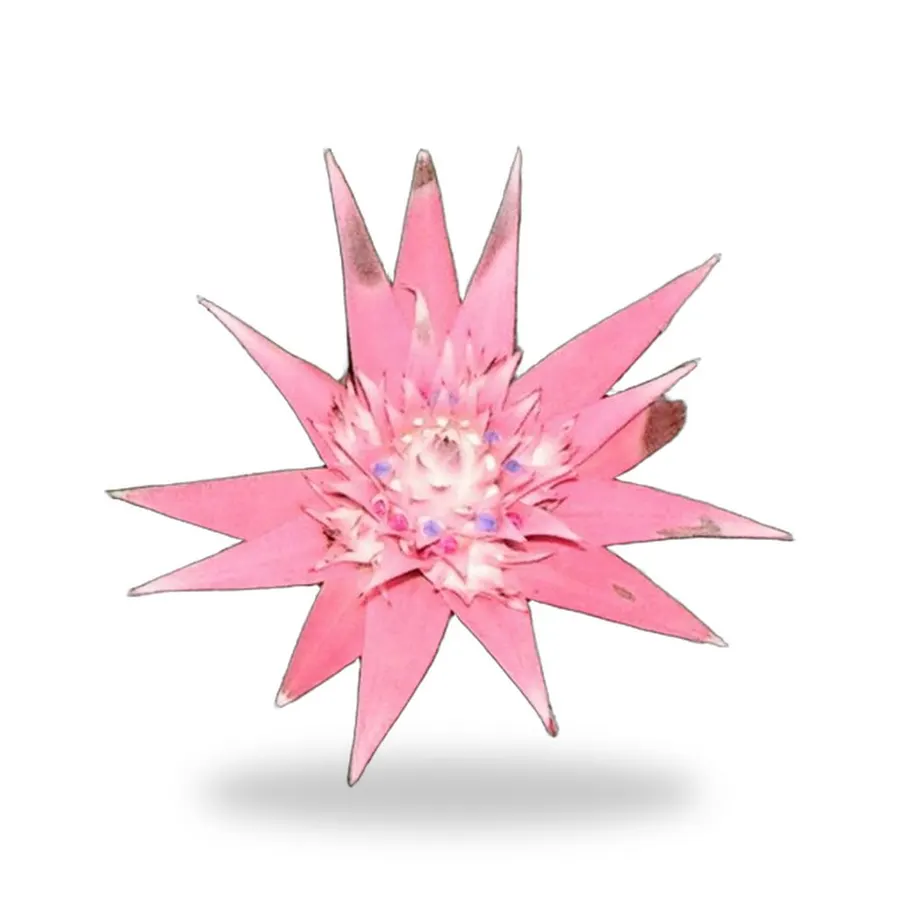
Bromeliads
Ti Plant (Cordyline)
Ornamental Ginger
More like this
All tropical plants
The service
Landscape installation
Planning a whole yard
See it in 3D first
We deliver and plant across Cape Coral, Fort Myers, Naples, Estero, Bonita Springs and about an hour around.