Cocoplum Hedges and Groundcover, Planted in Cape Coral and Fort Myers
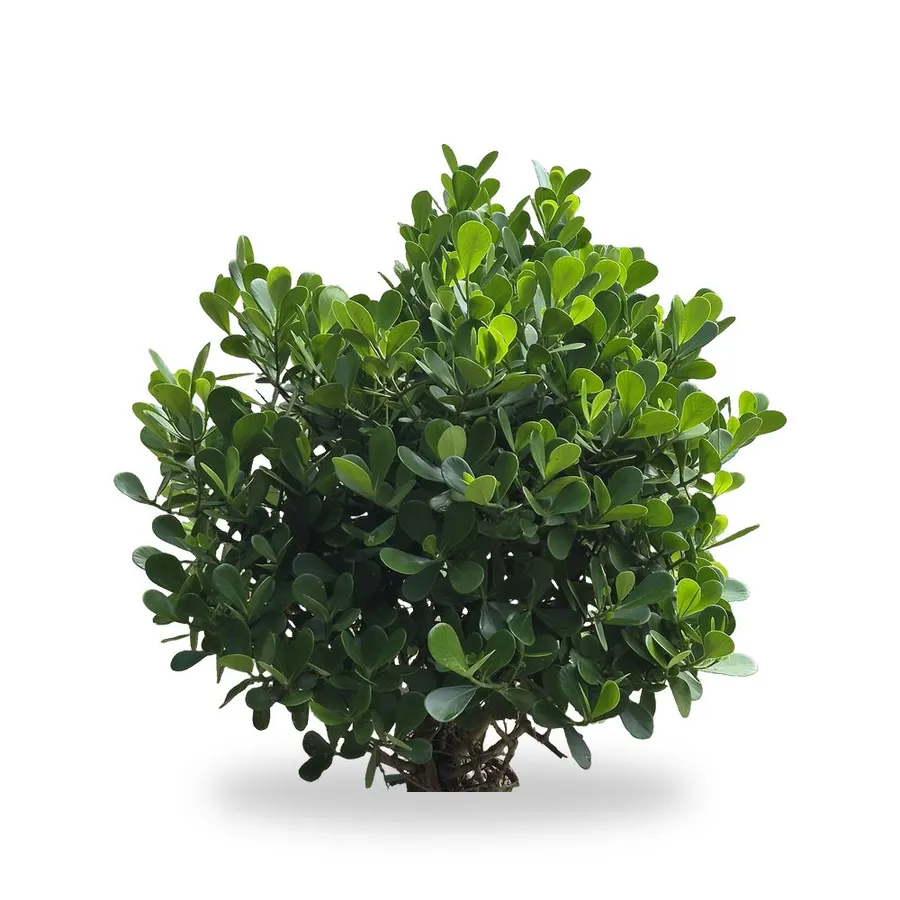
Cocoplum is a Florida native shrub with round, glossy leaves that does well across Southwest Florida, including salty coastal lots. It makes a dense hedge when sheared and handles drought once established. We stock the standard upright cocoplum for hedges and screens and a low, spreading Horizontal form for groundcover and short borders. Both come delivered and planted.
- Light:
- Full sun to part shade
- Water:
- Regular while young; drought tolerant once established
- Salt:
- Moderate to high
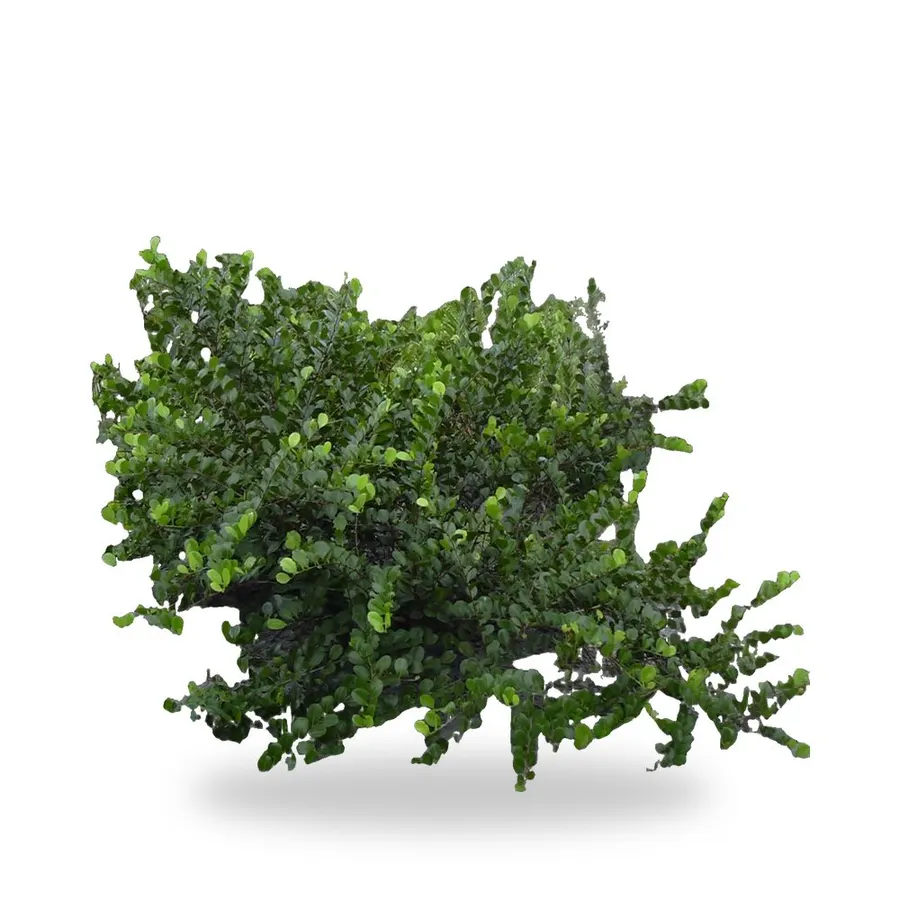
Cocoplum sizes we deliver and plant
Every size below is planted by our crew, set at the right depth and watered in. Send the size and how many, and we text back a planted price, usually within the hour during the day.
| Variety or form | Sizes | Good to know |
|---|---|---|
| Coco Plum | 3 Gallon, 7 Gallon, 15 Gallon | The standard upright cocoplum in 3, 7 and 15 gallon, for hedges, screens and taller shrub borders. |
| Cocoplum Horizontal | 3 Gallon, 7 Gallon | A low, spreading coastal form in 3 and 7 gallon that works as groundcover or a short hedge, usually 2 to 4 ft tall. |
Cocoplum in SW Florida, at a glance
- Mature size here
- Upright form up to 15 ft if left alone, usually held at 4 to 6 ft; Horizontal form about 2 to 4 ft tall and 4 to 8 ft wide
- Light
- Full sun to part shade
- Water
- Regular while young; drought tolerant once established
- Salt tolerance
- Moderate to high
- Cold tolerance
- Leaf and tip burn in a hard frost, usually regrows; coastal Lee rarely sees it
- Growth rate
- Moderate
- Spacing
- 3 to 5 ft on center for a hedge; about 3 to 4 ft for Horizontal groundcover
- Florida native
- Yes
- Botanical name
- Chrysobalanus icaco
Where Cocoplum works in a SW Florida yard
Use upright cocoplum where you want a native hedge that takes salt and wind: along a property line, around a pool equipment pad, or on a canal lot. Shear it for a formal wall or leave it loose for a softer screen. Horizontal cocoplum does the opposite job, staying low and spreading over a bank, under a window, or at the front of a bed.
Pair either form with Sabal Palm, Muhly Grass and Firebush for an all-native planting that handles our sandy soil. It is also a good pick for a snowbird house, since established plants ride out dry spells while the home sits empty.
- Salt-tolerant coastal hedge
- Privacy screen
- Low groundcover bed
- Wildlife and fruit planting
- Canal and bayfront lots
How our crew plants it
Dig each hole twice as wide as the container and only as deep as the root ball, with the top of the ball level with the soil. For a hedge, run a string line and space plants 3 to 5 ft on center, closer for a faster wall.
Backfill with native soil, water in well and mulch lightly. In Lee and Collier, new plantings can be watered more often than the normal watering schedule until roots take hold, usually the first couple of months.
Care after planting
- Trim lightly two or three times a year to hold a hedge at 4 to 6 ft and keep it dense.
- Water on the extra new-planting schedule at first, then lean on rain and your two assigned days.
- Fertilize in spring and fall with a slow-release shrub fertilizer, and skip nitrogen and phosphorus from June 1 to September 30.
- Leave the plums for the birds or pick a few, since they are edible and mild in flavor.
What to watch for
- Scale insects, including lobate lac scale, algal leaf spot and cankers show up now and then, though healthy, well-watered plants usually shrug them off.
- Growth is moderate, so a new hedge takes a couple of seasons to close and fills in slower than clusia or ligustrum.
Cocoplum questions we hear
How far apart should I plant cocoplum for a hedge?+
Plant 3 to 5 ft on center. Three feet suits 3 gallon plants and closes a hedge fastest, while 4 to 5 ft works for 7 and 15 gallon plants. Closer than 3 ft wastes plants, and wider than 5 ft leaves gaps for a couple of seasons.
Does cocoplum make a good privacy hedge?+
Yes, in the upright form. It is dense, evergreen and salt tolerant, and sheared at 5 to 6 ft it makes a solid screen. Growth is moderate, so plant closer than 4 ft if you want privacy sooner. For the fastest tall screen, clusia or ligustrum grow quicker.
Is cocoplum salt tolerant?+
Yes, it is one of the better native shrubs for salt. It handles spray on canal and coastal lots and brief salt exposure at the roots. It still does best a little back from direct wave splash or brackish flooding. Moderate to high is a fair description.
What is the difference between Horizontal cocoplum and regular cocoplum?+
Regular cocoplum is upright and can reach 15 ft if you let it, which makes it the hedge and screen form. Horizontal is a low coastal form that stays 2 to 4 ft tall and spreads sideways, so it suits groundcover, banks and short borders. Both have glossy round leaves.
Can you eat cocoplum fruit?+
Yes. The plums are edible, mild in flavor and a bit dry, and people eat them fresh or cook them into jam. Birds and other wildlife take most of them. Treat the fruit as a bonus, not the reason to plant it, since the hedge is the real job.
What does it cost to have a cocoplum hedge planted?+
Hedge cost depends on plant size, the length of the run and the number of plants, so there is no flat figure. Send your address and where the hedge goes, and we text a planted price, usually within the hour during the day. Half down then holds the plants and a delivery day.
Updated October 2026
Get a planted price on Cocoplum
Tell us what and how many. Quinten prices it from the nursery's live list and texts you back, usually within the hour during the day.
Only need the plant delivered, no planting? It is on our nursery's list at Palm & Plant Co.
Also worth a look
More like this
All hedges & shrubs
The service
Hedge and privacy screen installation
Planning a whole yard
See it in 3D first
We deliver and plant across Cape Coral, Fort Myers, Naples, Estero, Bonita Springs and about an hour around.