Simpson Stopper, Delivered and Planted in SW Florida
A native hedge that takes shearing, sun or shade, and coastal salt: that is Simpson stopper, and it does well across Southwest Florida. Dark green leaves, fragrant white flowers and small red berries that birds love come with it. It grows at a slow to moderate pace, so a larger pot gets you to privacy sooner. We deliver it, plant it and clean up.
- Light:
- Full sun to shade; fullest in sun, and it holds up in shade
- Water:
- Low to moderate; drought tolerant once established
- Salt:
- Moderate to high; suits most coastal yards
Simpson Stopper
Ask for a photo of the actual plant we would deliver.
Simpson Stopper sizes we deliver and plant
Every size below is planted by our crew, set at the right depth and watered in. Send the size and how many, and we text back a planted price, usually within the hour during the day.
| Plant | Sizes |
|---|---|
| Simpson Stopper | 3 Gallon, 7 Gallon |
Simpson Stopper in SW Florida, at a glance
- Mature size here
- 6 to 20 ft tall depending on pruning, 5 to 8 ft wide
- Light
- Full sun to shade; fullest in sun, and it holds up in shade
- Water
- Low to moderate; drought tolerant once established
- Salt tolerance
- Moderate to high; suits most coastal yards
- Cold tolerance
- Hardy to the mid-20s°F once established; light frost can burn tender new growth, so cover young plants inland on frost nights
- Growth rate
- Slow to moderate
- Spacing
- 3 to 4 ft on center for a hedge
- Florida native
- Yes, native to central and south Florida
- Botanical name
- Myrcianthes fragrans
Where Simpson Stopper works in a SW Florida yard
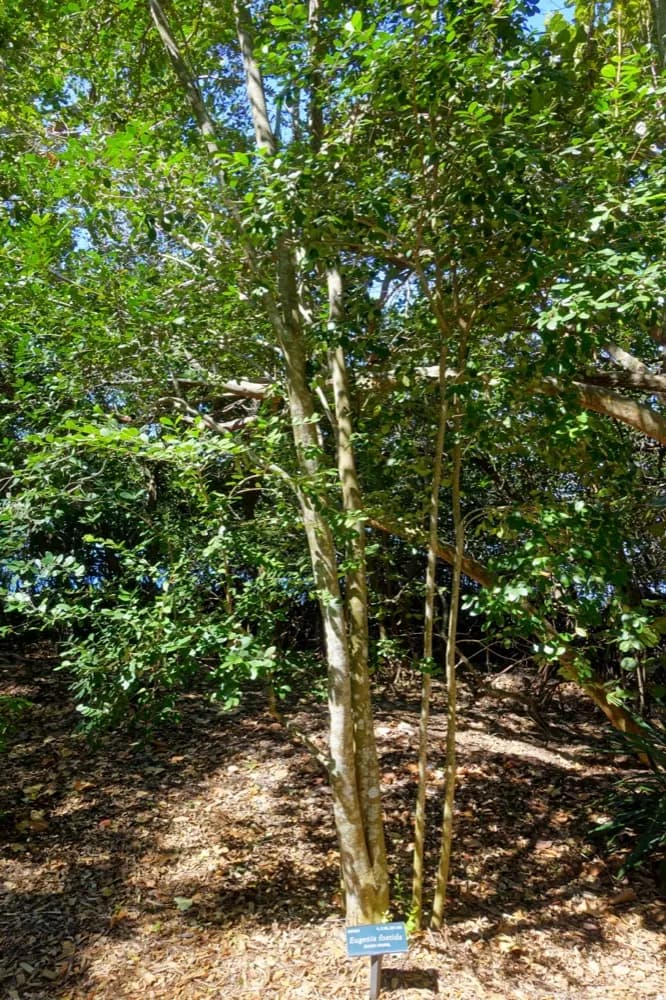
Simpson stopper makes a natural-looking hedge you can shear tight or let grow loose. Run it along a property line, around an air conditioner, or as a foundation shrub, or train it into a small multi-trunk tree. It takes sun or shade, so one row can run from a bright driveway into a shady side yard.
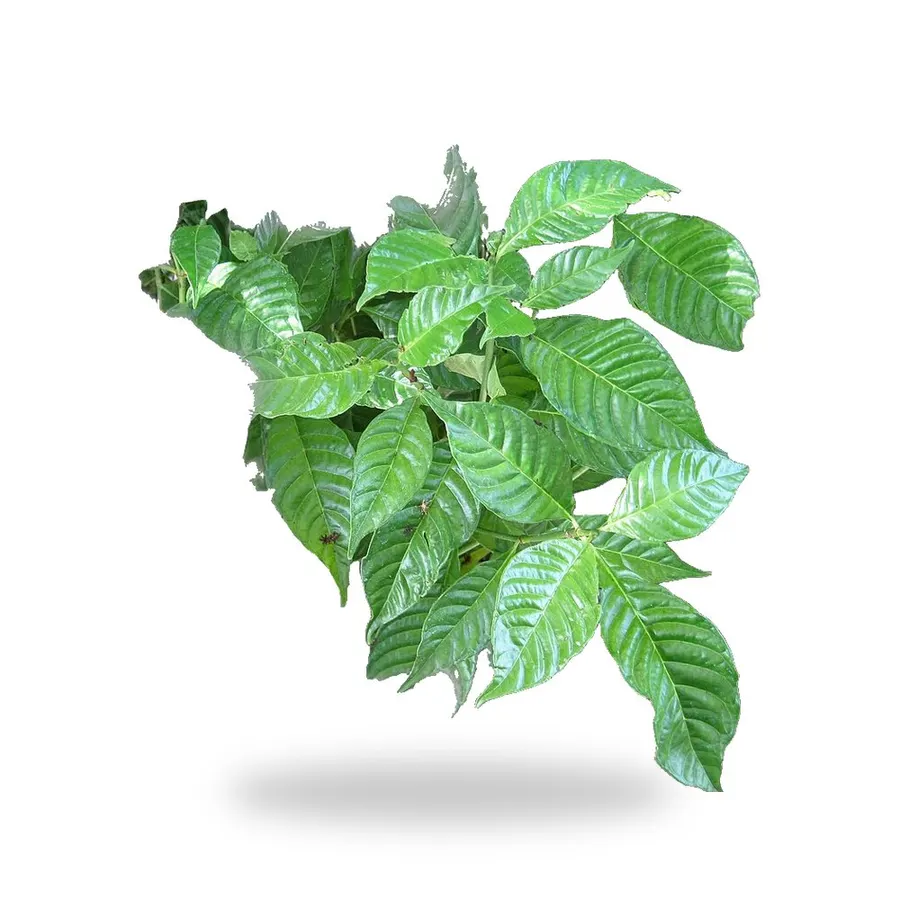
Wild coffee, coontie and firebush are good companions in a native planting, and the small flowers feed pollinators while the berries feed birds.
- Native privacy hedge
- Clipped formal hedge
- Coastal yard screen
- Bird and pollinator planting
- Small multi-trunk tree
How our crew plants it
Dig the hole two to three times as wide as the root ball and exactly as deep, with the top of the ball level with the soil. For a hedge, set plants 3 to 4 ft apart. Backfill with native soil and mulch 2 to 3 inches without touching the stems. Water in thoroughly, then for the first few weeks water as often as the soil needs, which Lee and Collier allow for new plantings, before settling into your assigned days.
Our crew plants it at the right depth, waters it in, and cleans up.
Care after planting
- Shear or trim in warm weather after a flush of new growth, and skip heavy cuts in late fall so tender regrowth is not caught by a cold snap.
- Feed lightly with a slow-release fertilizer in spring, and skip nitrogen and phosphorus from June 1 to September 30 under the Lee County, Naples and Marco Island ban; natives need little.
- Water new plants regularly, then back off, since established plants get through the dry season on your assigned days.
- Mulch to keep roots cool and weeds out, and keep it pulled back from the stems.
What to watch for
- A hard freeze can burn tender new growth on young plants inland, so avoid late-season trimming that pushes soft shoots.
Simpson Stopper questions we hear
How fast does Simpson stopper grow as a hedge?+
Slowly to moderately. A 3-gallon plant needs a few seasons to knit into a solid hedge, and a 7-gallon plant gets you there sooner. Growth speeds up with full sun and regular water in the first year. If you want privacy quickly, start with the 7-gallon size and plant 3 ft apart.
How far apart should I plant Simpson stopper?+
For a hedge, plant 3 to 4 ft apart, center to center. Give a loose screen or mixed native bed 4 to 5 ft between plants. Keep the first row 3 to 4 ft off the house or fence so air can move and you can reach the back for trimming.
Is Simpson stopper native to Florida?+
Yes. Simpson stopper is native to central and south Florida, where it grows in hammocks and coastal areas. The fragrant flowers feed pollinators and birds eat the small red fruit. Once established it needs little fertilizer and handles our dry season well.
Can Simpson stopper take salt spray and full sun?+
Yes to both, within reason. It handles sun and coastal breezes well, and the foliage is denser in full sun. Heavy salt spray right at the water's edge can still burn leaves, so the sheltered side of a canal lot is the better spot.
Does Simpson stopper need fertilizer?+
Very little. As a native it does fine on a light spring feeding of slow-release fertilizer, and extra nitrogen mostly pushes soft, leafy growth. Lee County, Naples and Marco Island ban nitrogen and phosphorus fertilizer from June 1 to September 30, so skip it in the rainy season.
How much does a planted Simpson stopper hedge cost?+
Price depends on size, form and how many, so we text a planted price instead of listing one. Tell us how long the hedge needs to run and which pot size you prefer. We usually reply within the hour during the day, and half down holds the plants and a delivery day.
Updated October 2026
Get a planted price on Simpson Stopper
Tell us what and how many. Quinten prices it from the nursery's live list and texts you back, usually within the hour during the day.
Only need the plant delivered, no planting? It is on our nursery's list at Palm & Plant Co.
Also worth a look
More like this
All hedges & shrubs
The service
Hedge and privacy screen installation
Planning a whole yard
See it in 3D first
We deliver and plant across Cape Coral, Fort Myers, Naples, Estero, Bonita Springs and about an hour around.