Coontie, Florida's Native Cycad, Delivered and Planted
Coontie is Florida's own cycad, a tough, slow-growing evergreen that does well in SW Florida sun or shade, sandy soil, dry spells and salty wind. It forms a glossy, feathery mound 2 to 3 ft tall and 3 to 5 ft wide, and its leaves feed the atala butterfly. Every part is toxic if eaten, so plan around dogs. We deliver and plant 7 gallon coontie.
- Light:
- Part shade to full sun; tolerates fairly deep shade
- Water:
- Low; drought tolerant once established, but it needs drainage
- Salt:
- Moderate; handles salty wind, not direct spray or saltwater flooding
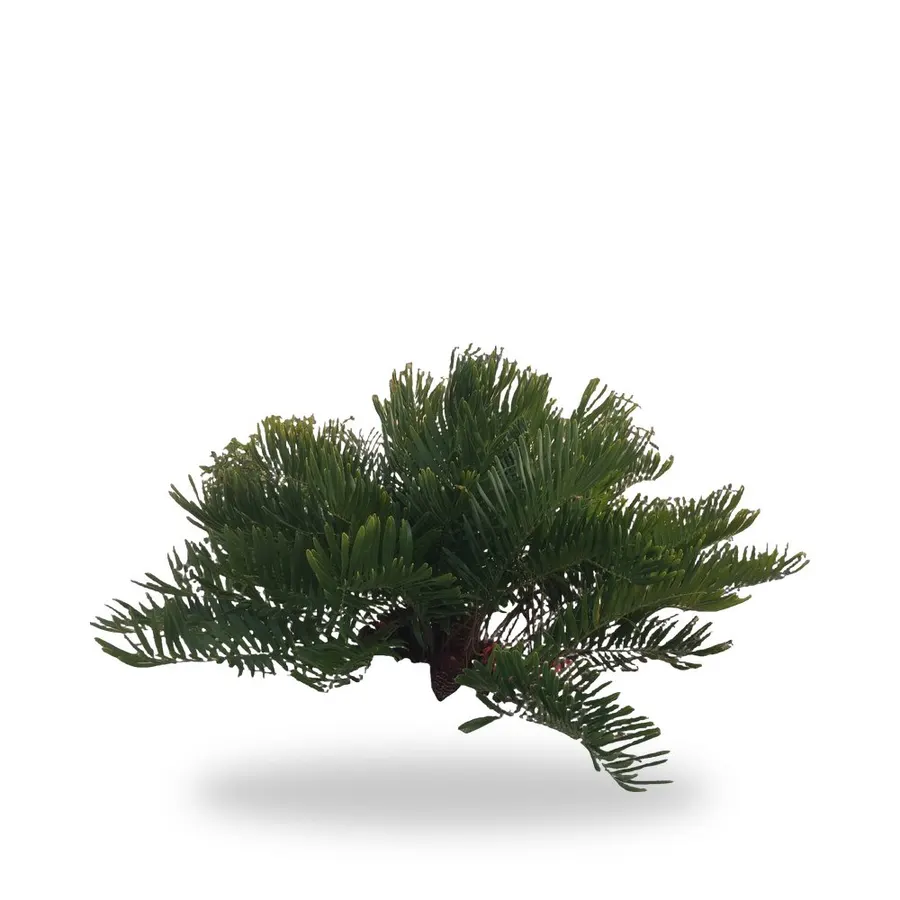
Coontie sizes we deliver and plant
Every size below is planted by our crew, set at the right depth and watered in. Send the size and how many, and we text back a planted price, usually within the hour during the day.
| Plant | Sizes |
|---|---|
| Coontie | 7 Gallon |
Coontie in SW Florida, at a glance
- Mature size here
- 2 to 3 ft tall, occasionally up to 4 ft, and 3 to 5 ft wide
- Light
- Part shade to full sun; tolerates fairly deep shade
- Water
- Low; drought tolerant once established, but it needs drainage
- Salt tolerance
- Moderate; handles salty wind, not direct spray or saltwater flooding
- Cold tolerance
- Very hardy; SW Florida cold does not harm it
- Growth rate
- Slow
- Spacing
- 3 to 5 ft apart
- Florida native
- Yes, Florida's only native cycad
- Botanical name
- Zamia integrifolia
Where Coontie works in a SW Florida yard
Coontie is the low-effort answer for foundation beds, mailbox beds, sunny banks and the open ground under oaks and cabbage palms. Set plants 3 to 5 ft apart for a mass, or use one as a specimen where its mounded shape shows.
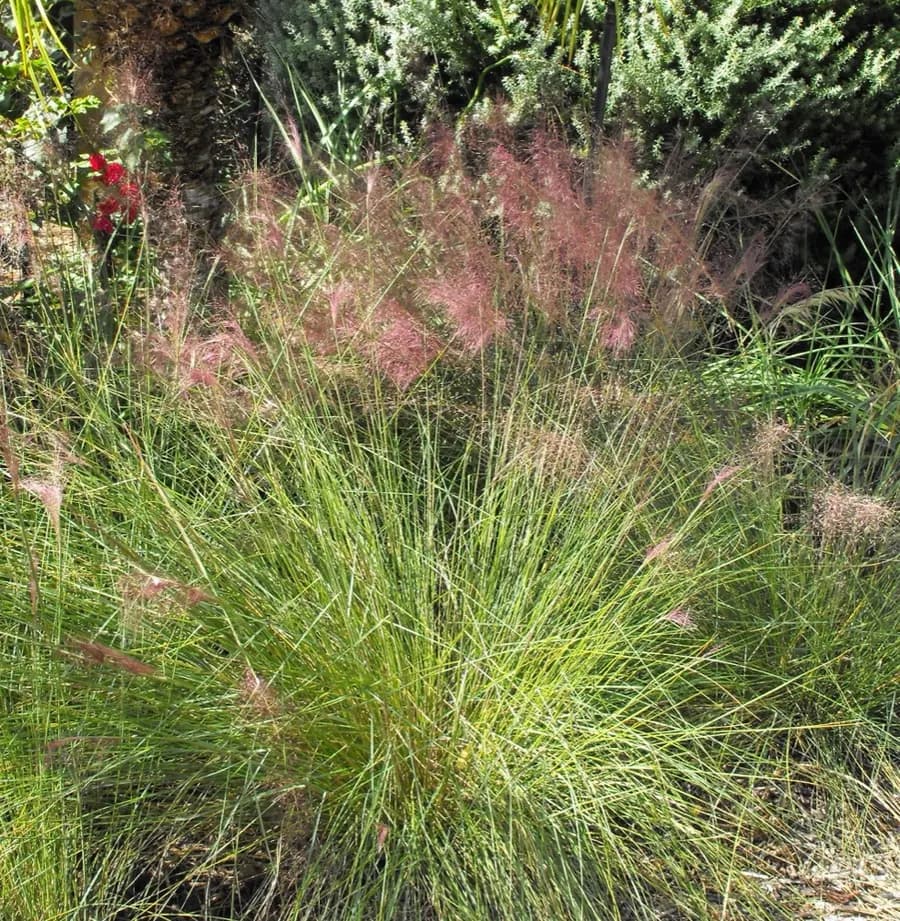
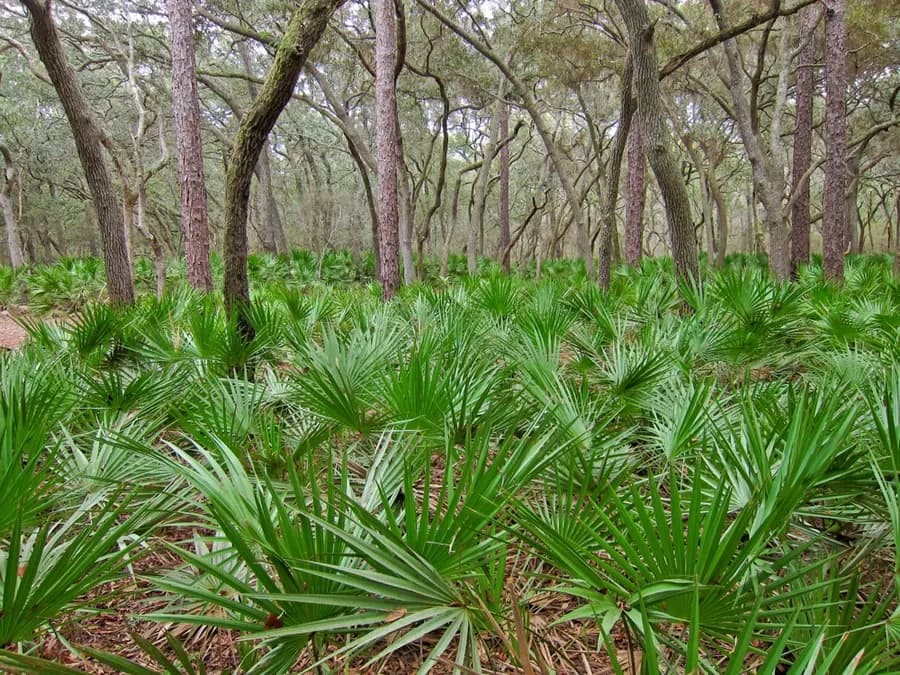
It teams well with firebush, muhly grass and wild coffee in an all-native bed, and it sits comfortably at the foot of sabal palms, where its glossy fronds add a finer texture.
- Foundation planting beds
- Mass plantings and borders
- All-native landscapes
- Atala butterfly gardens
- Under oaks and palms
How our crew plants it
Set the plant so the top of its underground stem sits level with or just above the soil, never buried. Dig the hole 2 to 3 times as wide as the 7 gallon root ball and no deeper, and backfill with the native soil. On low lots that stay wet in summer, plant on a gentle rise.
Mulch lightly away from the stem and water in. While it establishes, Lee and Collier allow extra watering on new plantings, after which rain and your assigned days are enough.
Care after planting
- Water on your assigned days through the first season, then let rain do most of the work, since established coontie rarely needs irrigation.
- Feed lightly in spring and early fall with a slow-release palm-type fertilizer with micronutrients, and none with nitrogen or phosphorus from June 1 to September 30 in Lee County, Naples and Marco Island.
- Leave atala caterpillars alone and skip insecticides if you want the butterflies, because the plant regrows its leaves.
- Cut off only dead or damaged fronds at the base.
What to watch for
- Every part of coontie is poisonous if eaten, the seeds most of all, and like sago palm it carries a toxin that can seriously harm dogs, so keep it away from pets that chew plants.
- Cycad aulacaspis scale, a white crust on the fronds, can weaken plants, so look over the leaves when you water or trim.
- Atala caterpillars, bright red with yellow spots, can strip a plant in weeks, but a healthy coontie regrows.
Coontie questions we hear
Is coontie poisonous to dogs?+
Yes. Coontie is a cycad, and all of it is toxic if eaten, with the seeds the most dangerous. Like sago palm, it can cause vomiting and serious liver damage in dogs, so keep it where a dog cannot chew it, or choose another plant. If your dog eats any, call a vet or a pet poison hotline right away.
Why are red caterpillars eating my coontie?+
Those are atala butterfly caterpillars, red-orange with yellow spots, and coontie is the plant they feed on. They can strip a plant bare, but a healthy coontie regrows its leaves, usually by the next season. Skip insecticides if you want to keep the butterflies, a native Florida species once feared lost.
How fast does coontie grow?+
Slowly. Coontie pushes out new fronds in flushes, but its overall size creeps up over years, not months, and a full 2 to 3 ft by 3 to 5 ft plant takes a long time to reach. That is the main reason to start with a larger 7 gallon plant instead of waiting on a small one.
Does coontie grow in full sun or shade?+
Both. Coontie does well from full sun to fairly deep shade, with its fullest, tidiest growth in part sun or filtered light. That flexibility is why it works under oaks and cabbage palms as well as in open foundation beds, and it grows in most soil types, including our sand.
Is coontie salt tolerant?+
Moderately. Coontie handles salty wind and sandy coastal soil, but it does not like direct salt spray or saltwater flooding. On a canal or Gulf-access lot, set it back from the water behind a seawall, hedge or other buffer rather than at the edge.
How far apart should I plant coontie for a border?+
Set plants 3 to 5 ft apart, center to center. Closer spacing, around 3 ft, makes a fuller border sooner, while 4 to 5 ft leaves room for each plant to mound out to its full 3 to 5 ft width. Because growth is slow, gaps close over years, so mulch the space between.
Updated October 2026
Get a planted price on Coontie
Tell us what and how many. Quinten prices it from the nursery's live list and texts you back, usually within the hour during the day.
Only need the plant delivered, no planting? It is on our nursery's list at Palm & Plant Co.
Also worth a look
More like this
All hedges & shrubs
The service
Hedge and privacy screen installation
Planning a whole yard
See it in 3D first
We deliver and plant across Cape Coral, Fort Myers, Naples, Estero, Bonita Springs and about an hour around.