Cardboard Palms, Delivered and Planted in SW Florida
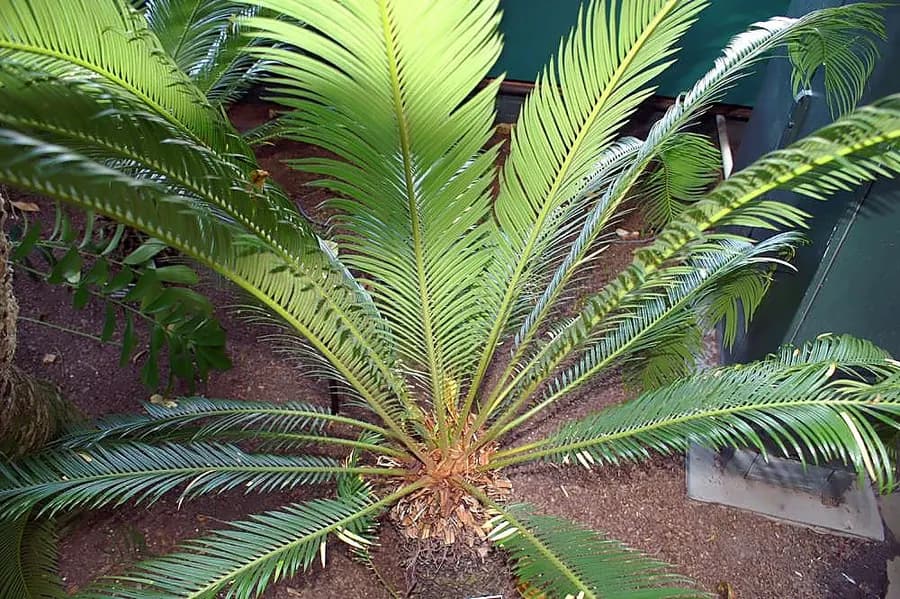
Despite the name, cardboard palm is a cycad, not a true palm, and it is one of the toughest low plants for Southwest Florida. It handles sun, salt, heat and drought once rooted, and forms a stiff, rounded clump 3 to 5 ft tall. It suits foundation beds, coastal yards and dry corners, but every part is poisonous to dogs, so think twice with pets.
- Light:
- Full sun to part shade; sparse in deep shade
- Water:
- Low; drought tolerant once established, and it needs fast drainage
- Salt:
- High; a good coastal plant
Cardboard Palm
Ask for a photo of the actual plant we would deliver.
Cardboard Palm sizes we deliver and plant
Every size below is planted by our crew, set at the right depth and watered in. Send the size and how many, and we text back a planted price, usually within the hour during the day.
| Plant | Sizes |
|---|---|
| Cardboard Palm | 3 Gallon, 7 Gallon |
Cardboard Palm in SW Florida, at a glance
- Mature size here
- 3 to 5 ft tall and 4 to 6 ft wide
- Light
- Full sun to part shade; sparse in deep shade
- Water
- Low; drought tolerant once established, and it needs fast drainage
- Salt tolerance
- High; a good coastal plant
- Cold tolerance
- Fronds can burn below about 30°F; coastal Lee and Collier rarely get there, inland yards may see tip burn some winters, and plants usually regrow
- Growth rate
- Slow
- Spacing
- 4 to 5 ft on center for a mass or foundation bed
- Florida native
- No, native to Mexico
- Botanical name
- Zamia furfuracea
Where Cardboard Palm works in a SW Florida yard
Use cardboard palm where you want a bold, rounded accent that needs almost no care. It fits foundation beds, entry corners, gravel gardens and salt-spray plantings on coastal lots. Space plants 4 to 5 ft apart so each clump keeps its shape.
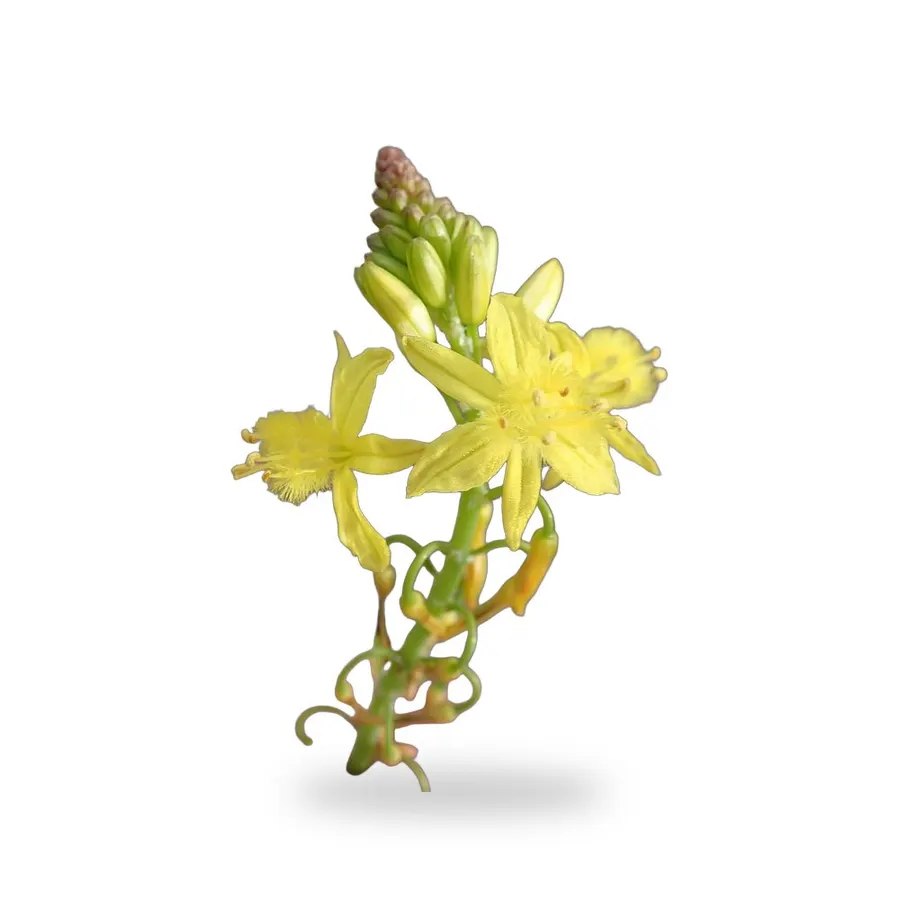
Bulbine, blue daze and dwarf ixora add low color around it. Because the seeds are toxic, skip it in yards where dogs dig or chew, and keep it out of play areas for small children.
- Coastal salt-spray beds
- Low-water foundation planting
- Bold entry accent
- Gravel and rock beds
How our crew plants it
A cardboard palm wants fast drainage, so plant on a low mound if the bed holds water in the rainy season. Dig a hole twice as wide as the pot and no deeper, and set the base of the stems at or slightly above grade, since a buried crown rots. Water in well, then give it only what the first few weeks demand, tapering to your assigned days; Lee and Collier allow extra watering for new plantings, but this plant resents wet feet.
We deliver it, plant it at the right depth, water it in, and clean up.
Care after planting
- Feed with a slow-release palm fertilizer with micronutrients in spring and early fall, since yellow, stunted new fronds in our sandy soil usually mean missing manganese or other minor nutrients, and skip it from June 1 to September 30 under the Lee County, Naples and Marco Island ban.
- Water sparingly once established, because two assigned days a week is already more than it needs and soggy soil causes root rot.
- Cut off only fronds that are fully brown, since green fronds keep feeding the plant.
- Check new frond flushes for white, crusty specks of cycad scale and treat early.
- Pull seed cones from female plants before they open so the toxic seeds do not reach pets or sprout elsewhere.
What to watch for
- Every part is toxic, especially the seeds, and a dog that chews a cardboard palm can suffer serious liver damage, so call your vet right away if one does.
- Cycad scale can coat the fronds in white crusty specks and weaken the plant if it is not treated early.
- UF/IFAS lists cardboard palm as a caution plant in central and south Florida, meaning it can escape cultivation, so remove seed cones before they open.
Cardboard Palm questions we hear
Is cardboard palm poisonous to dogs?+
Yes. Every part of a cardboard palm is toxic to dogs and cats, and the seeds on female plants are the most dangerous. Eating them can cause vomiting and liver failure. If your dog chews or digs in beds, choose another plant, and call your vet right away after any chewing.
Is a cardboard palm really a palm?+
No. Cardboard palm is a cycad, Zamia furfuracea, an ancient group of plants that only looks like palms. That changes the care a little: it grows slowly, wants fast drainage, and benefits from the same micronutrient fertilizer palms get.
Can cardboard palm grow in full sun and salt air?+
Yes. Cardboard palm handles full sun, salt spray and heat well, which is why it shows up in coastal yards from Cape Coral to Naples. In deep shade it gets sparse. The one thing it will not tolerate is soggy soil.
How big does a cardboard palm get, and how fast?+
Plan on 3 to 5 ft tall and 4 to 6 ft wide. Growth is slow, especially when young, so a 7-gallon plant is the faster route to a finished look. Give it room, since the arching fronds spread wider than the plant is tall.
Why are my cardboard palm fronds turning yellow or brown?+
Soggy soil, cold and missing micronutrients are the usual causes. Yellow new fronds often point to manganese or other minor nutrients, brown tips after a cold night are frost burn, and wet feet in the rainy season cause rot. Also check for white scale specks.
How much does a cardboard palm cost planted?+
Price depends on size, form and how many, so we text a planted price. Cardboard palm comes in three-gallon and seven-gallon sizes. Tell us how many you need and where they go, and we usually reply within the hour during the day. Half down holds the plants and a delivery day.
Updated October 2026
Get a planted price on Cardboard Palm
Tell us what and how many. Quinten prices it from the nursery's live list and texts you back, usually within the hour during the day.
Only need the plant delivered, no planting? It is on our nursery's list at Palm & Plant Co.
Also worth a look
More like this
All palm trees
The service
Palm tree installation
Planning a whole yard
See it in 3D first
We deliver and plant across Cape Coral, Fort Myers, Naples, Estero, Bonita Springs and about an hour around.