Blue and Caribbean Agave, Delivered and Planted in SW Florida
Agave is a sculptural succulent that takes SW Florida sun, salt spray and dry spells in stride. The one thing it can't tolerate is wet feet, so drainage matters more than watering. We deliver and plant blue agave and Caribbean agave, set slightly high so rainy-season water drains away. Placement matters too, because the leaf tips are sharp.
- Light:
- Full sun
- Water:
- Very low; drought tolerant once established, but rots in soggy soil
- Salt:
- High
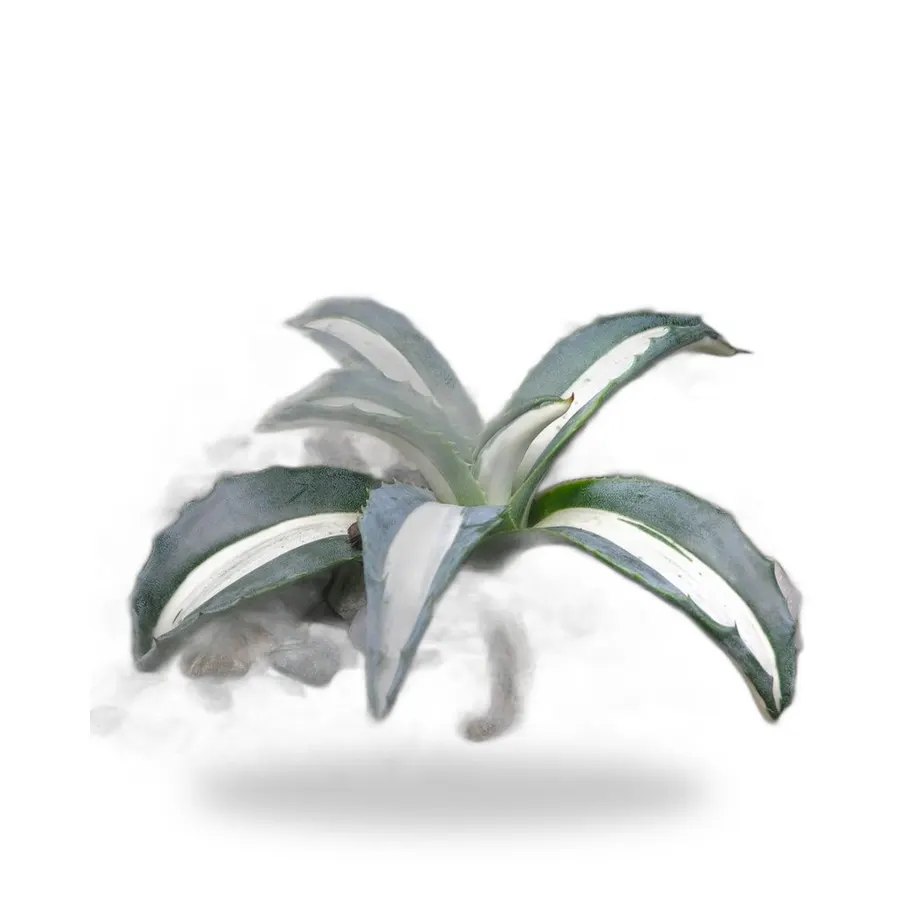
Agave sizes we deliver and plant
Every size below is planted by our crew, set at the right depth and watered in. Send the size and how many, and we text back a planted price, usually within the hour during the day.
| Variety or form | Sizes | Good to know |
|---|---|---|
| Blue Agave | 3 Gallon, 7 Gallon | Blue-gray, wide-spreading rosette and the larger of the two, so it makes the stronger focal point and needs the most room. |
| Caribbean Agave | 7 Gallon, 15 Gallon | Narrower green leaves edged with small teeth, usually a bit smaller than blue agave and well suited to coastal beds and tighter corners. |
Agave in SW Florida, at a glance
- Mature size here
- 3 to 6 ft tall, 4 to 8 ft wide, depending on type
- Light
- Full sun
- Water
- Very low; drought tolerant once established, but rots in soggy soil
- Salt tolerance
- High
- Cold tolerance
- Handles normal SW Florida cold; a hard freeze can scar the leaves
- Growth rate
- Slow to moderate
- Spacing
- 5 to 8 ft on center, depending on type
- Florida native
- No, native to Mexico and Central America
- Botanical name
- Agave spp.
Where Agave works in a SW Florida yard
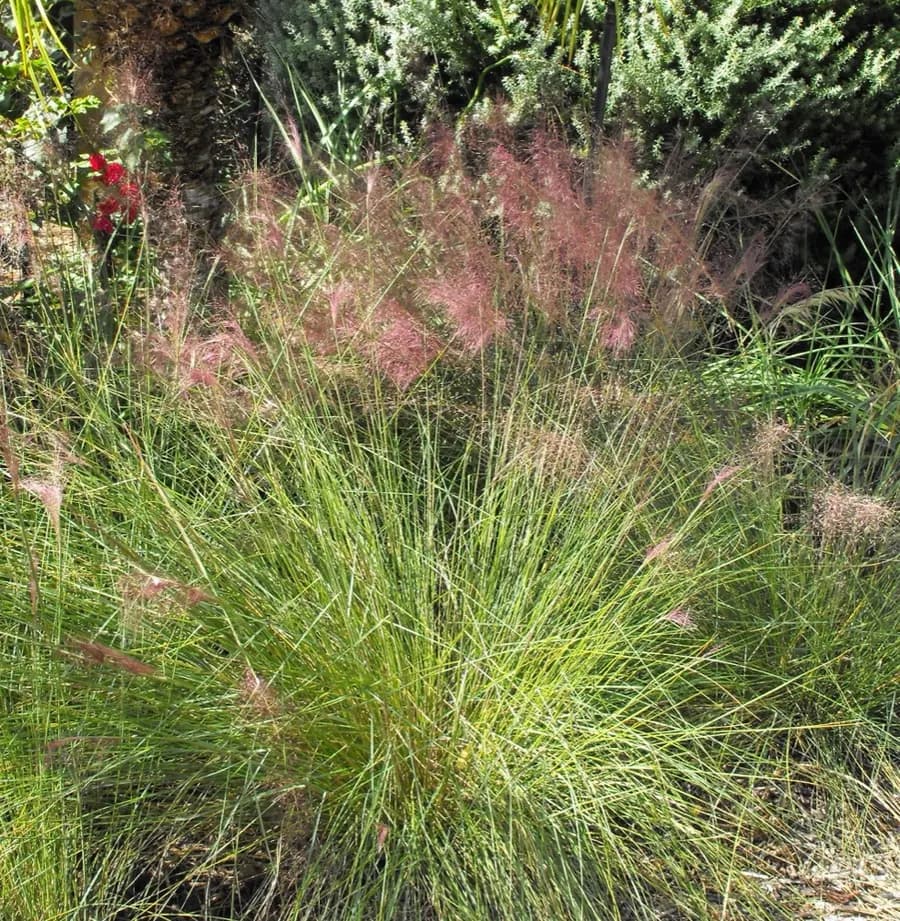
Use agave as an anchor, not a filler. One or three blue agaves in a gravel or mulch island, backed by something soft like muhly grass, give a front yard structure that needs almost no water. Caribbean agave is the better fit for tighter corners, since it usually stays a little smaller.
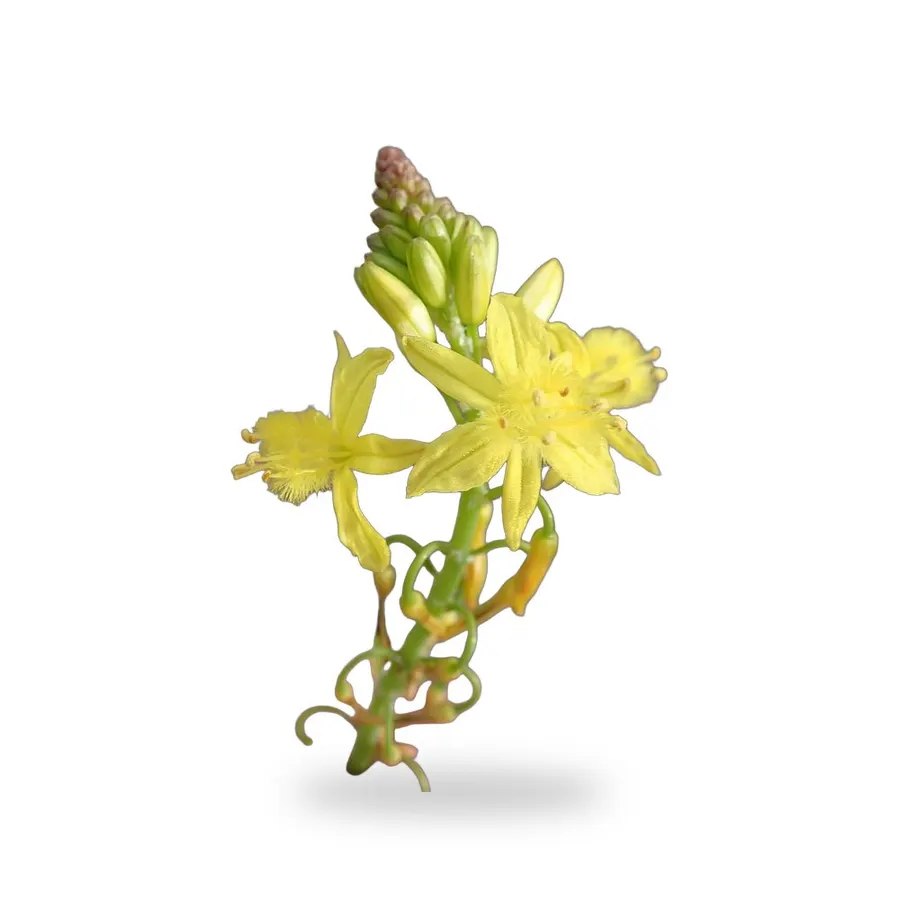
Keep both a few feet back from walkways, driveways and pool decks, because the leaf tips are needle sharp. Bulbine and blue daze add color at their feet without crowding the crown.
- Sculptural focal point
- Low-water front yards
- Coastal salt-spray beds
- Gravel and rock gardens
How our crew plants it
Drainage comes first. Our crew digs the hole two to three times as wide as the pot but no deeper than the root ball, then sets the crown one to two inches above grade, or on a small mound where water stands after rain. Native soil goes back in, and nothing is piled against the base of the leaves.
We water it in well, then you water every few days for the first month or so, using the extra watering Lee and Collier allow for new plantings, before tapering off.
Care after planting
- Keep agave out of lawn sprinkler zones, because constant overhead water in the rainy season invites rot.
- Water new plants every few days at first, then let rain do the work once they are rooted, usually after a few months.
- Cut off dead lower leaves with gloves and long sleeves, and trim spent flower stalks to the base.
- Skip fertilizer, since agave does fine in poor sandy soil and extra feeding only softens the growth.
- Remove pups from the base in spring if you want a single plant, and replant or pot them.
What to watch for
- Agave snout weevil bores into the base and the crown collapses; an infested plant usually can't be saved, so remove it before the weevils reach its neighbors.
- The leaf tips are needle sharp and the sap can irritate skin and mouths, so keep it away from walkways, play areas and pets that chew plants.
- Standing water in the rainy season is the usual killer, and low or shaded spots rot agave faster than any drought.
Agave questions we hear
Does agave grow well in Southwest Florida?+
Yes, in full sun and well-drained soil. Agave handles heat, salt spray and long dry spells. The rainy season is the real test, so plant it where water drains away and keep sprinklers off it. Poorly drained, shaded or low spots are where agave fails here.
How far apart should I plant agave?+
Plan on 5 to 8 feet on center, depending on type. Blue agave can spread 6 to 8 feet across, so give it the full distance. Caribbean agave can sit a little closer, around 5 feet. Crowded plants are hard to trim around, and the sharp leaves make that job miserable.
Is agave dangerous for kids and pets?+
It can be a nuisance. The leaf tips are needle sharp, and the sap can irritate skin and mouths. Site agave away from walkways, play areas and pool decks, and wear gloves and eye protection when you trim. If a pet or child chews on one, call your vet or poison control.
How often should I water a new agave?+
Water it in well at planting, then every few days for the first month, using the extra watering Lee and Collier allow for new plantings. Taper off after that. Once rooted, usually in a few months, rain covers most of the year, and extra irrigation does more harm than good.
Does agave die after it blooms?+
The main rosette does. Agaves bloom once, after many years, sending up a tall flower stalk, and then that plant declines. By then it has usually made pups around the base, so the planting carries on. Cut out the dead rosette with gloves on and let the pups fill in.
How much does it cost to have agave delivered and planted?+
Price depends on the type, the size and how many plants you want. Text us a photo of the spot and the count, and we text back a planted price, usually within the hour during the day. Half down holds the plants and a delivery day.
Updated October 2026
Get a planted price on Agave
Tell us what and how many. Quinten prices it from the nursery's live list and texts you back, usually within the hour during the day.
Only need the plant delivered, no planting? It is on our nursery's list at Palm & Plant Co.
Also worth a look
More like this
All agave & succulents
The service
Landscape installation
Planning a whole yard
See it in 3D first
We deliver and plant across Cape Coral, Fort Myers, Naples, Estero, Bonita Springs and about an hour around.