Ponytail Palms, Delivered and Planted in Southwest Florida
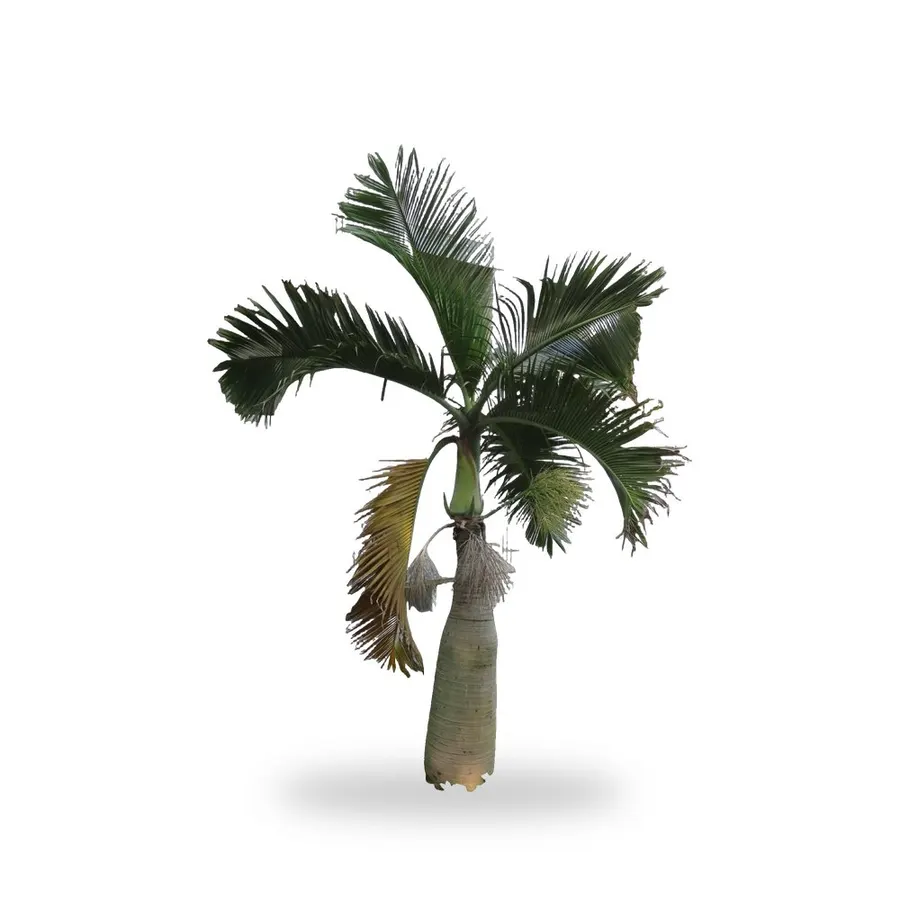
Ponytail palm is not a true palm but a succulent-like tree with a swollen base and a fountain of long, curly leaves. It does well in Southwest Florida in full sun and sandy, fast-draining soil, and it is a slow-growing specimen that needs very little water. Rain-soaked ground is its enemy. We deliver and plant 7, 15 and 25 gallon plants.
- Light:
- Full sun to part sun
- Water:
- Very low; drought tolerant, needs fast drainage
- Salt:
- Moderate; avoid direct salt spray
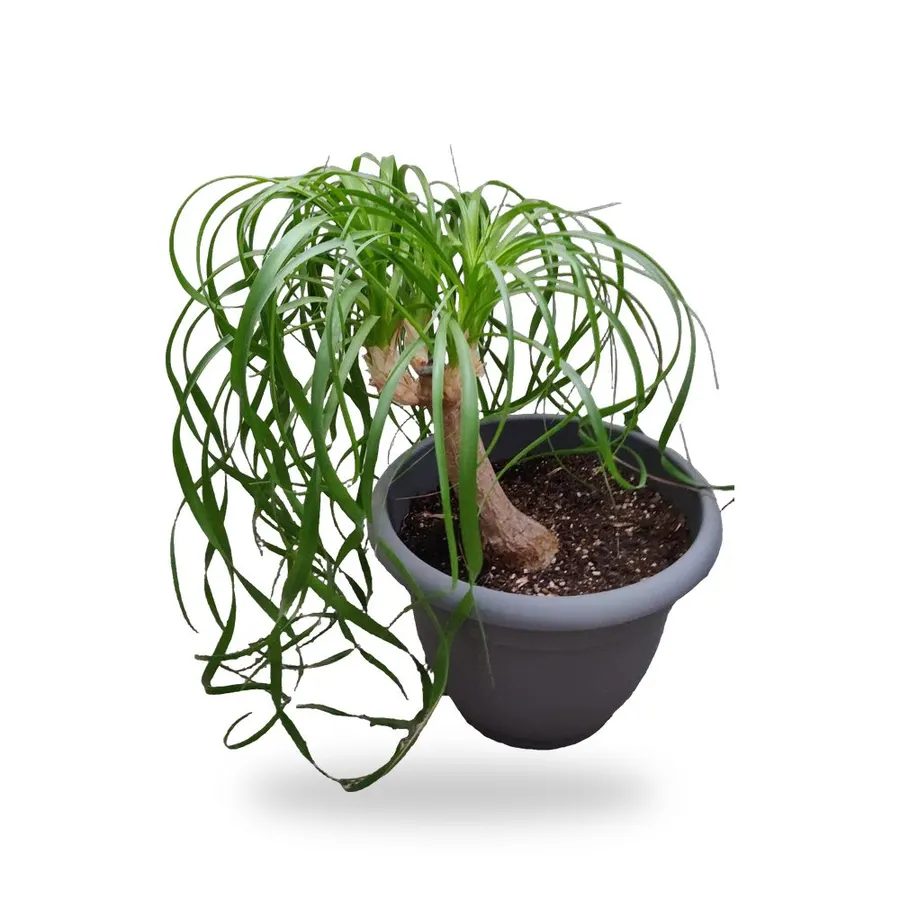
Ponytail Palm sizes we deliver and plant
Every size below is planted by our crew, set at the right depth and watered in. Send the size and how many, and we text back a planted price, usually within the hour during the day.
| Plant | Sizes |
|---|---|
| Ponytail Palm | 7 Gallon, 15 Gallon, 25 Gallon |
Ponytail Palm in SW Florida, at a glance
- Mature size here
- 8 to 15 ft tall and 6 to 10 ft wide, over many years
- Light
- Full sun to part sun
- Water
- Very low; drought tolerant, needs fast drainage
- Salt tolerance
- Moderate; avoid direct salt spray
- Cold tolerance
- Leaf tips burn near 30°F and a hard freeze can scar or kill it; coastal Lee is usually fine
- Growth rate
- Slow
- Florida native
- No
- Botanical name
- Beaucarnea recurvata
Where Ponytail Palm works in a SW Florida yard
Ponytail palm is a focal point, not a filler. One plant on a low mound in a gravel or mulch bed, or a staggered group of three at different heights, carries a corner of the yard. The thick trunk base and spray of arching leaves look best against a plain wall or low plants.
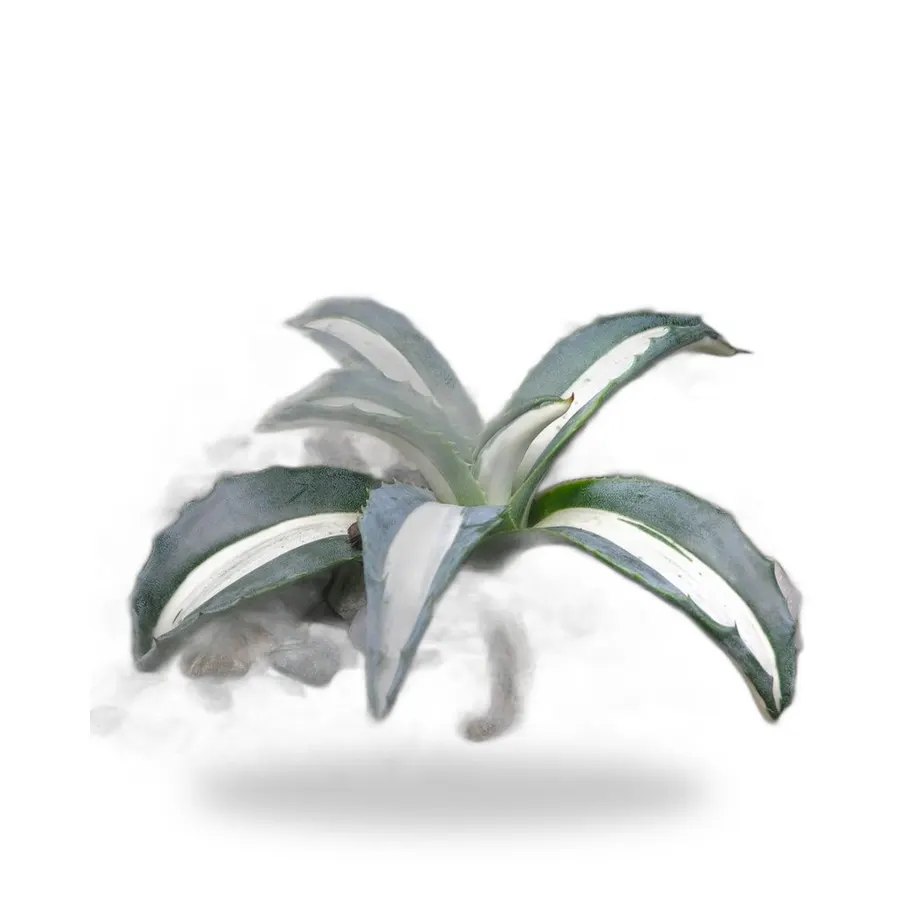
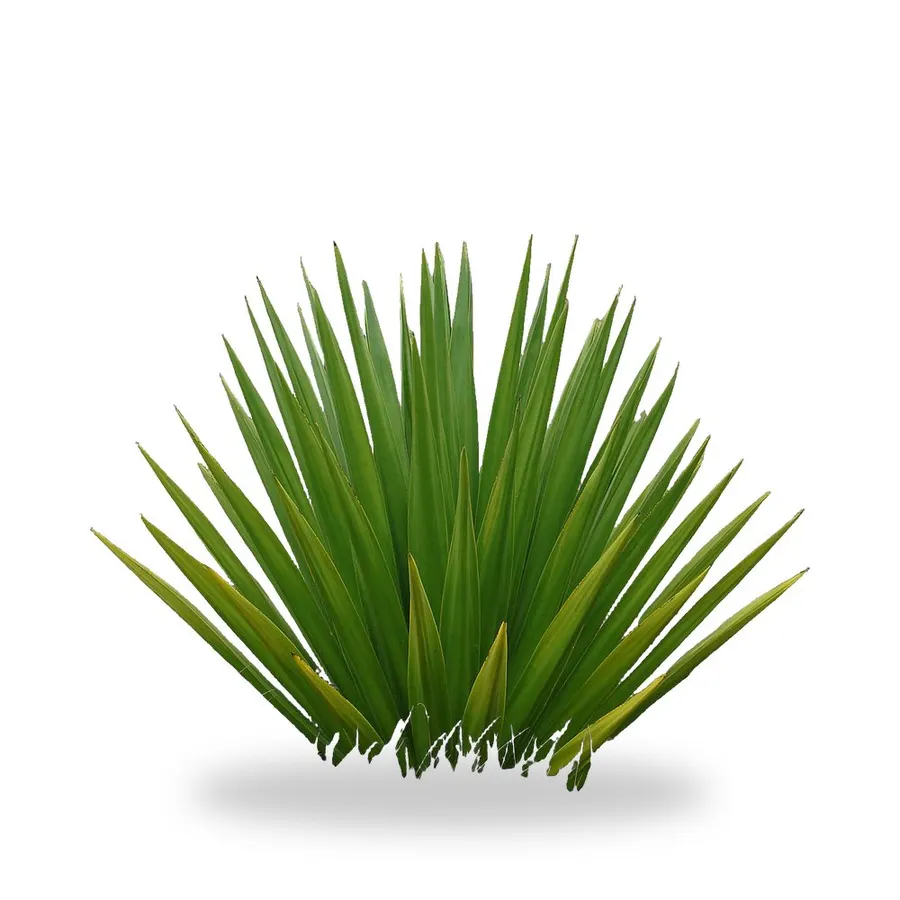
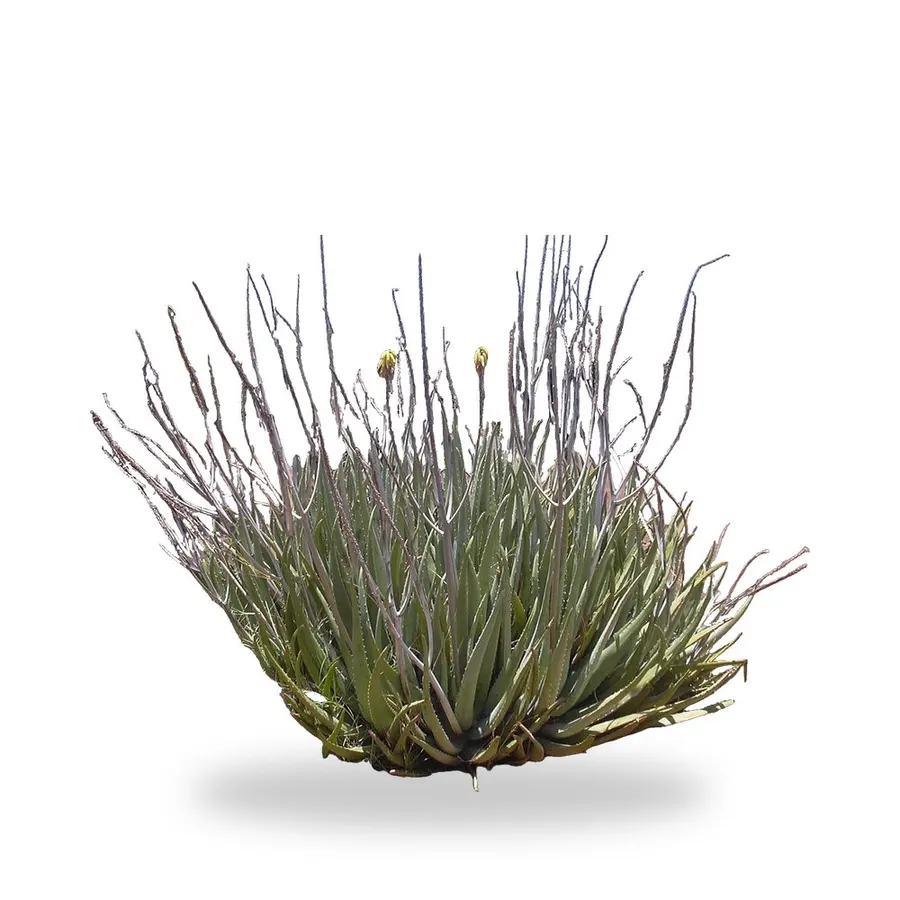
Pair it with Agave, Aloe Vera and Muhly Grass for a dry, sunny planting, or set it in a large pot beside an entry. Keep it back from walkways, since the leaf edges are rough.
- Sculptural lawn specimen
- Gravel and dry-bed accent
- Large patio containers
- Low-water front yards
How our crew plants it
Drainage decides whether a ponytail palm lives here, so a proper install sets the swollen base a few inches above the surrounding grade on a gentle mound, in full sun and sandy soil. The hole is wide but no deeper than the root ball, backfilled with native soil and no peat or heavy potting mix.
Water it in, then go light. Lee and Collier allow extra watering on new plantings, but keep it to a month or two and let the soil dry between soaks.
Care after planting
- Water deeply but rarely and let the soil dry between waterings, because a sprinkler zone that runs daily will rot it.
- Keep irrigation heads and mulch off the swollen base.
- Trim only brown or damaged leaves, since the green ones feed the plant.
- A light slow-release feeding in spring is plenty, and nothing with nitrogen or phosphorus goes on during the June 1 to September 30 ban.
- Cover young plants on frost nights if you are inland.
What to watch for
- Rot is the main killer, and soggy soil, low spots and daily sprinklers rot the base and branch tips.
- Leaf edges are finely toothed and can scratch skin, so wear gloves when trimming and keep it off tight walkways.
Ponytail Palm questions we hear
Is a ponytail palm really a palm?+
No. It belongs to the asparagus family, a cousin of agave and yucca, not to the palms. It is also called elephant foot for its swollen base, which stores water. The leaves and trunk look palm-like, but care follows a desert succulent: lots of sun, fast drainage and little water.
Can ponytail palm be planted in the ground in Cape Coral?+
Yes, in the right spot. It needs full sun, sandy soil and drainage, and it does well in zones 10a and 10b. Plant it slightly high, away from low spots and daily sprinklers. Coastal Lee and Collier are usually safe, while inland lots may need a frost cover on the coldest nights.
How big does a ponytail palm get in Florida?+
It grows slowly, typically reaching 8 to 15 ft over many years, with a spread of 6 to 10 ft. The base swells with age and some plants branch. A 25 gallon plant gives you size now, since year-to-year growth is slow and steady.
Is ponytail palm safe for dogs and cats?+
The ASPCA lists ponytail palm as non-toxic to dogs and cats. Chewing any plant can still upset a stomach, and the rough-edged leaves can irritate a mouth. It is a far better choice than sago palm, which is highly toxic to pets.
How often should I water a ponytail palm outdoors?+
Very little once it is established. Water new plants as the Lee and Collier new-planting allowance permits, then back off to occasional deep soaks in the dry season. In the rainy season, skip watering unless the soil is dry several inches down. Overwatering rots the base faster than drought hurts it.
How much does it cost to plant a ponytail palm?+
Cost depends on the size of the plant and how many you want, and we text a planted price rather than list one. Send your address and the spot you have in mind, and you usually hear back within the hour during the day. Half down holds the plant and a delivery day.
Updated October 2026
Get a planted price on Ponytail Palm
Tell us what and how many. Quinten prices it from the nursery's live list and texts you back, usually within the hour during the day.
Only need the plant delivered, no planting? It is on our nursery's list at Palm & Plant Co.
Also worth a look
More like this
All palm trees
The service
Palm tree installation
Planning a whole yard
See it in 3D first
We deliver and plant across Cape Coral, Fort Myers, Naples, Estero, Bonita Springs and about an hour around.