King Sago Palms, Delivered and Planted in SW Florida
King sago does very well in Southwest Florida as a slow, sculptural specimen, best near an entry or in a mulch or rock bed. It is a cycad, not a true palm, and every part of it is toxic to pets, so site it with that in mind. We deliver and plant 3, 7 and 15 gallon plants, with a large 7 gallon in between.
- Light:
- Full sun to part shade
- Water:
- Low to moderate; needs well-drained soil
- Salt:
- Moderate; takes some coastal exposure
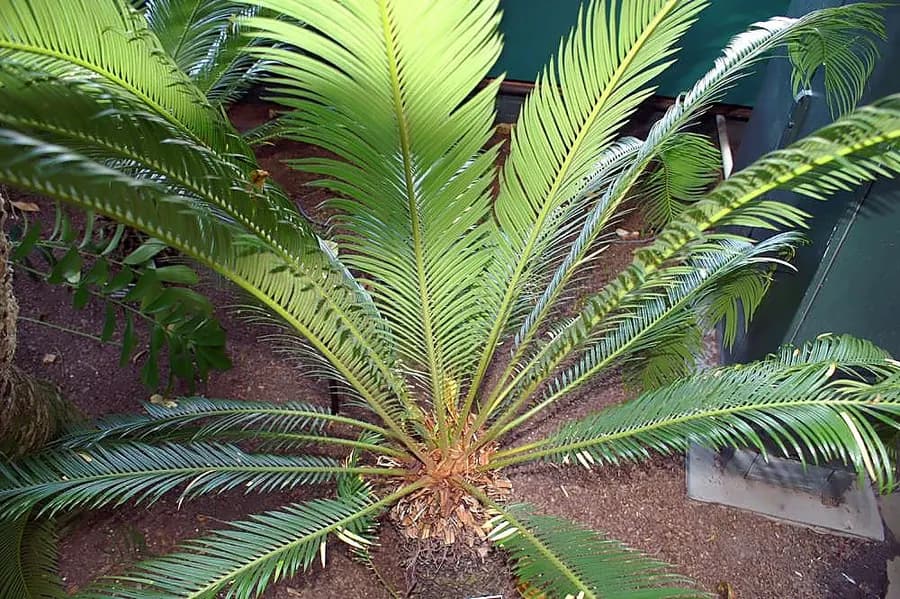
King Sago Palm sizes we deliver and plant
Every size below is planted by our crew, set at the right depth and watered in. Send the size and how many, and we text back a planted price, usually within the hour during the day.
| Plant | Sizes |
|---|---|
| King Sago Palm | 7 Gallon, 7 Gallon (Large), 15 Gallon, 3 Gallon |
King Sago Palm in SW Florida, at a glance
- Mature size here
- 4 to 6 ft tall and 4 to 8 ft wide over many years; very old plants can grow taller
- Light
- Full sun to part shade
- Water
- Low to moderate; needs well-drained soil
- Salt tolerance
- Moderate; takes some coastal exposure
- Cold tolerance
- Very hardy; fronds burn only in hard freezes, which are rare here
- Growth rate
- Very slow; usually one flush of new fronds a year
- Spacing
- 4 to 6 ft apart in a group, or as a single specimen
- Florida native
- No, native to southern Japan
- Botanical name
- Cycas revoluta
Where King Sago Palm works in a SW Florida yard
King sago gives a bed lasting structure in sun or part shade. Use one as a specimen near an entry, or group three at different heights in a mulch or river-rock bed, where its stiff, glossy fronds contrast with softer foliage. Keep it back from walkways and play areas, since the leaflet tips are sharp and every part of the plant is toxic.
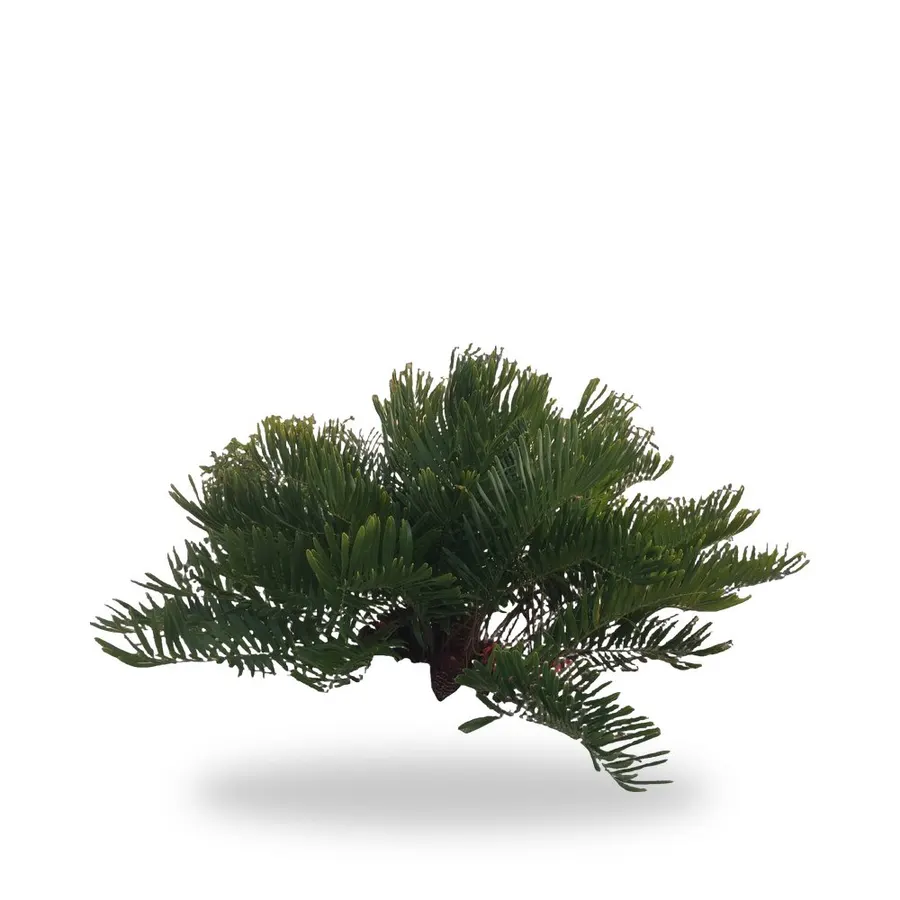
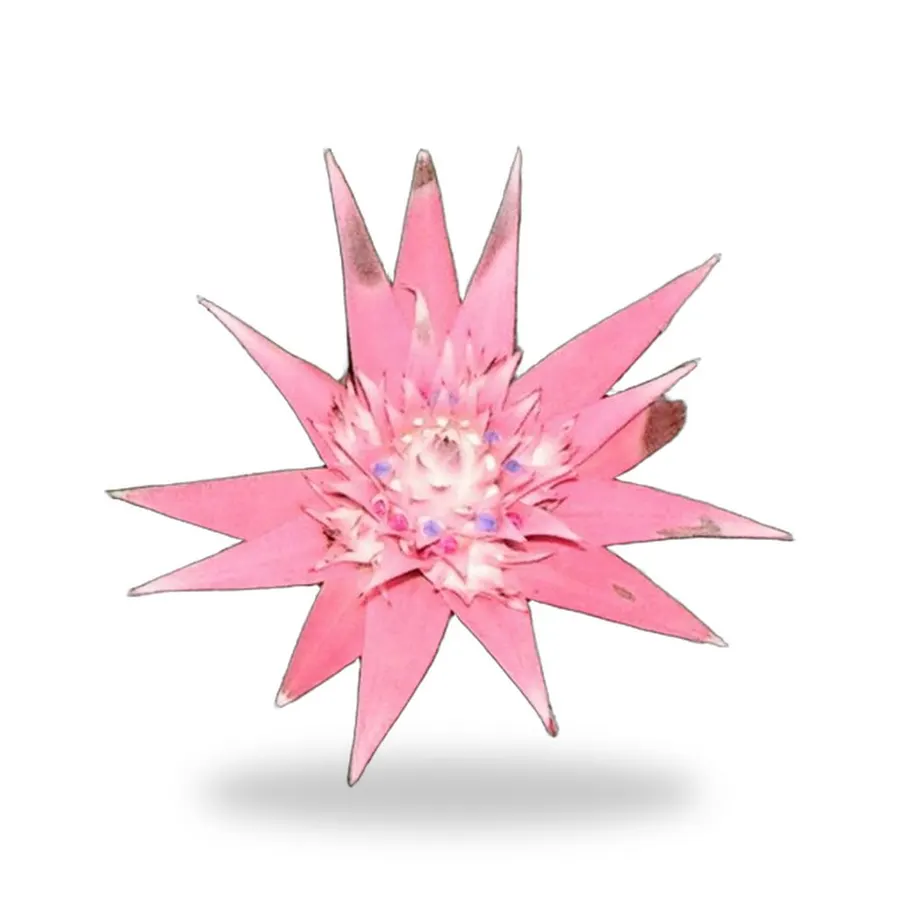
Coontie, bromeliads and ti plants make good companions at its base, and bird of paradise works behind it in a larger bed.
- Entry specimen plant
- Rock and mulch beds
- Low-water accent
- Tropical bed structure
How our crew plants it
Sagos like to be planted high. Our crew sets the swollen base of the trunk an inch or two above grade, in a hole twice as wide as the pot and no deeper, then backfills with native sand, waters it in and leaves the site clean. Never bury the trunk, because wet soil around the base invites rot.
Mulch lightly and keep it off the trunk. New plants need regular water for the first few weeks, and Lee and Collier allow extra watering for new plantings.
Care after planting
- Feed in spring and early fall with a palm fertilizer such as 8-2-12 with micronutrients, since sandy soil runs short of manganese and magnesium, and skip nitrogen and phosphorus from June 1 to September 30 under the Lee County, Naples and Marco Island ban.
- Stunted, yellow or frizzled new fronds usually mean a micronutrient shortage, especially manganese, so look at nutrition before you suspect a disease.
- Water lightly once established; your assigned days plus rain are plenty, and soggy soil does more harm than dry spells.
- Cut off only fully brown fronds, because green and yellow ones are still feeding the plant.
What to watch for
- Every part of a sago, especially the seeds, is poisonous to dogs, cats and people, and even a small amount can cause severe illness or liver failure in a dog, so keep it away from pets that chew plants.
- Cycad aulacaspis scale, a white crust of tiny insects, can cover the fronds and kill a sago if ignored, so check the undersides and treat early with horticultural oil or a systemic product.
- Planting too deep or in soggy soil leads to trunk and root rot.
King Sago Palm questions we hear
Is a king sago a real palm?+
No. It is a cycad, a much older group of plants that only looks like a palm and is sold alongside them. It grows from a thick, trunk-like base, pushes out a flush of stiff fronds, and grows very slowly.
Are sago palms poisonous to dogs?+
Yes. Every part is toxic, and the seeds are the worst. Even small amounts can cause vomiting, liver damage and death in dogs, so call a vet right away if a pet chews any part. Skip sagos where pets or small kids play and pick a different plant.
How fast do king sago palms grow?+
Very slowly. Most put out one flush of new fronds a year, and a decade of growth adds little height, so buying a larger plant is the only way to get a tall sago quickly. Our 15 gallon and large 7 gallon plants have the most presence.
Why are the new fronds on my sago yellow and frizzled?+
That points to a manganese shortage, often called frizzle top, which is common in SW Florida sand. Apply a palm fertilizer with manganese and other micronutrients, and be patient: the fix shows up on the next flushes, not on the damaged fronds.
Can king sago take full sun in Southwest Florida?+
Yes. Full sun gives the tightest, darkest fronds, and part shade works too. In the hottest, reflected-heat spots such as against a west wall, afternoon shade keeps the leaflets from bleaching, and good drainage matters more than the light level.
How much does it cost to plant a king sago palm?+
Pot size is the biggest driver, along with how many plants you want and the planting spot, so we text a planted price instead of listing one. Most replies come back inside an hour during the day, and half down holds the plants and a delivery day.
Updated October 2026
Get a planted price on King Sago Palm
Tell us what and how many. Quinten prices it from the nursery's live list and texts you back, usually within the hour during the day.
Only need the plant delivered, no planting? It is on our nursery's list at Palm & Plant Co.
Also worth a look
More like this
All palm trees
The service
Palm tree installation
Planning a whole yard
See it in 3D first
We deliver and plant across Cape Coral, Fort Myers, Naples, Estero, Bonita Springs and about an hour around.