Milkweed for Monarchs, Delivered and Planted in SW Florida
Milkweed is the plant monarch caterpillars depend on, so it anchors any SW Florida butterfly bed. It grows fast in full sun and flowers in orange, yellow, pink or white depending on the species. The species matters here: native milkweeds are the better pick, and tropical milkweed needs care. We deliver and plant 3 gallon milkweed.
- Light:
- Full sun; light afternoon shade is tolerated
- Water:
- Moderate; native swamp types like moist ground, while tropical milkweed is more drought tolerant
- Salt:
- Low; keep it out of direct salt spray
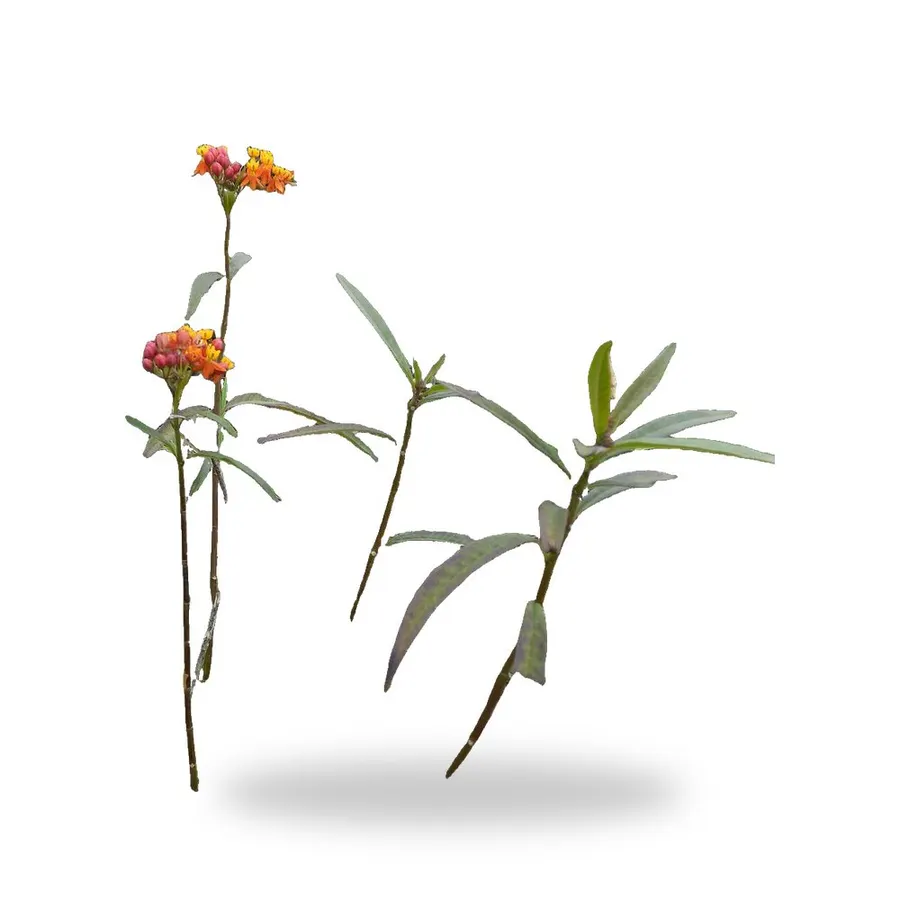
Milkweed sizes we deliver and plant
Every size below is planted by our crew, set at the right depth and watered in. Send the size and how many, and we text back a planted price, usually within the hour during the day.
| Plant | Sizes |
|---|---|
| Milkweed | 3 Gallon |
Milkweed in SW Florida, at a glance
- Mature size here
- 1 to 4 ft tall and 1 to 2 ft wide, depending on species; tropical milkweed runs 2 to 4 ft
- Light
- Full sun; light afternoon shade is tolerated
- Water
- Moderate; native swamp types like moist ground, while tropical milkweed is more drought tolerant
- Salt tolerance
- Low; keep it out of direct salt spray
- Cold tolerance
- Frost burns tropical milkweed to the ground and it usually regrows from the base; native species die back in winter and return in spring
- Growth rate
- Moderate to fast
- Spacing
- 18 to 24 in apart in groups of three or more
- Florida native
- Depends on the species; several milkweeds are Florida natives, tropical milkweed is not
- Botanical name
- Asclepias spp.
Where Milkweed works in a SW Florida yard
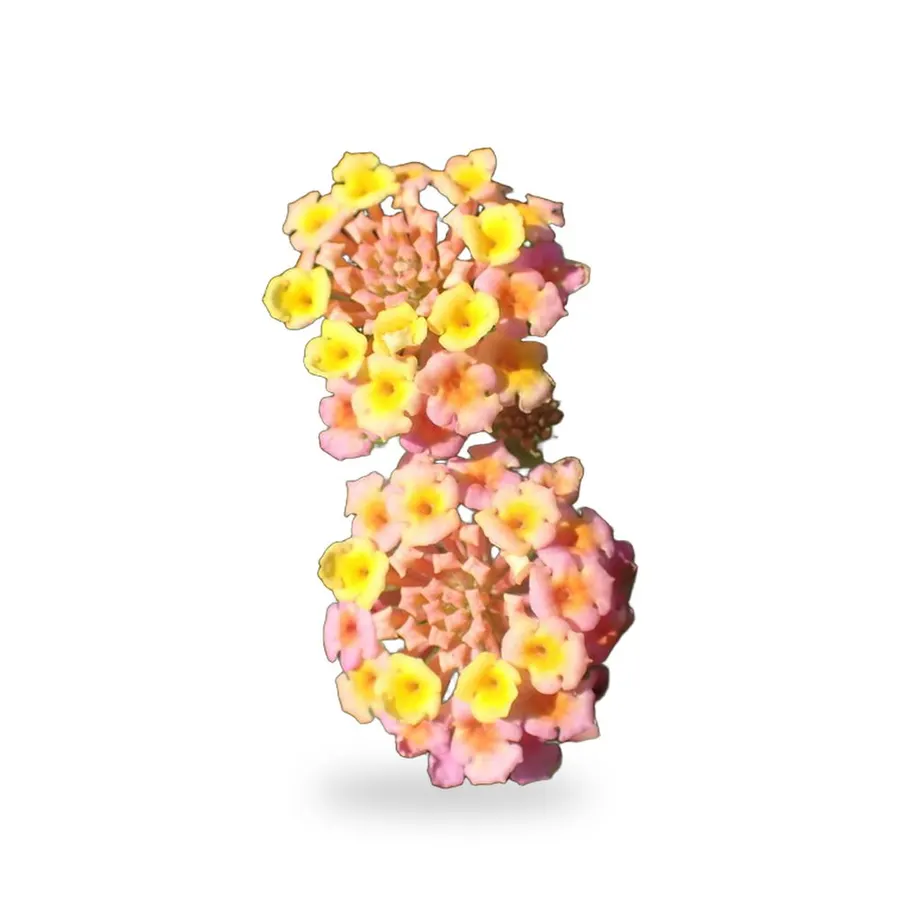
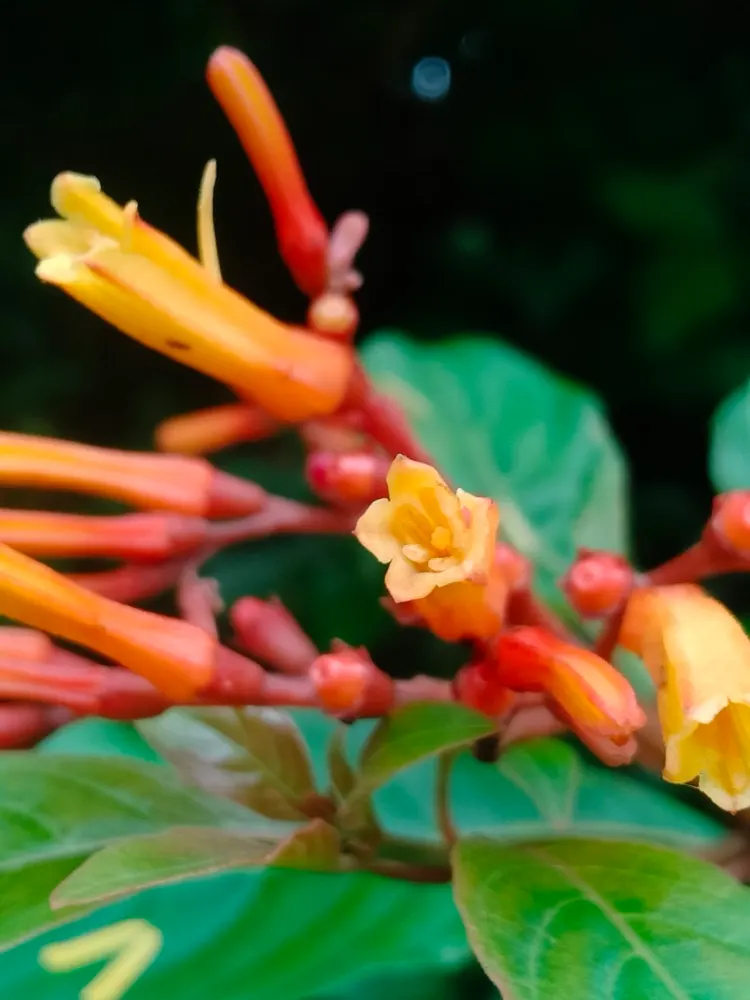
Plant milkweed in full sun in groups of three or more among nectar plants, where caterpillars can strip a stem without hurting the look of the bed. Monarch caterpillars eat the leaves down to the stalks, and the plant regrows. Pentas, lantana and firebush feed the adult butterflies, so the bed supports the whole life cycle.
- Monarch host plant
- Butterfly garden beds
- Pollinator plantings
- Sunny cottage borders
How our crew plants it
Set milkweed in full sun in sandy, well-drained soil at the same depth as the pot, 18 to 24 inches apart in clumps. Our crew waters it in and cleans up. Lee and Collier allow extra watering on new plantings, so soak often at first and then taper. Keep insecticides out of the bed, because they kill caterpillars.
Care after planting
- Skip insecticides in and near the bed, including systemic products, since they kill caterpillars and bees.
- Let monarch caterpillars strip it, because the plant normally regrows within a few weeks.
- If the plant is tropical milkweed, many monarch groups advise cutting it back hard in late fall so it does not stay green all winter.
- Wear gloves when pruning, because the milky sap can irritate skin and injure eyes.
- Rinse yellow aphids off with a hose rather than spraying.
What to watch for
- UF/IFAS rates tropical milkweed (Asclepias curassavica), the orange and yellow type sold at most nurseries, as invasive and not recommended, so we suggest native milkweeds such as butterfly weed, swamp milkweed or white milkweed as the better choice.
- All milkweed is toxic if eaten, so keep pets and children from chewing it.
- Bright yellow oleander aphids cluster on new growth, which is common and is usually handled with a hose rather than a spray.
Milkweed questions we hear
What is the best milkweed to plant in Southwest Florida?+
Native milkweeds are the best choice: butterfly weed (Asclepias tuberosa) for sunny, dry sandy spots, and swamp or white milkweed (A. incarnata, A. perennis) for moist ground. Tropical milkweed is easy and widely sold, but UF/IFAS rates it invasive. Whichever you plant, group it in full sun and keep sprays away.
Is tropical milkweed bad for monarchs in Florida?+
It can be a problem. Tropical milkweed does not go dormant in winter, which can keep monarchs from migrating, and UF/IFAS lists it as invasive and not recommended. Native milkweeds die back in winter and are the better pick. If you keep tropical milkweed, cutting it back hard in late fall is the usual advice.
Is milkweed poisonous to dogs and cats?+
Yes, milkweed is toxic if eaten, and the milky sap can irritate skin and eyes. Most pets avoid it, but keep dogs, cats and livestock from chewing it, wear gloves when pruning, and call a vet or poison control if a pet eats some.
Updated October 2026
Get a planted price on Milkweed
Tell us what and how many. Quinten prices it from the nursery's live list and texts you back, usually within the hour during the day.
Only need the plant delivered, no planting? It is on our nursery's list at Palm & Plant Co.
Also worth a look
More like this
All ground covers & vines
The service
Landscape installation
Planning a whole yard
See it in 3D first
We deliver and plant across Cape Coral, Fort Myers, Naples, Estero, Bonita Springs and about an hour around.