Confetti Lantana, Delivered and Planted in SW Florida
Hot, dry, full-sun beds are where Confetti lantana earns its keep in Southwest Florida, blooming nearly year-round and keeping butterflies busy. It shrugs off heat, sand and dry spells where little else survives. One catch: common lantana is on Florida's invasive plant list because birds spread its berries, so use it in contained beds and choose natives next to preserves.
- Light:
- Full sun; flowers poorly in shade
- Water:
- Very low once established; flowers more with regular water
- Salt:
- Moderate
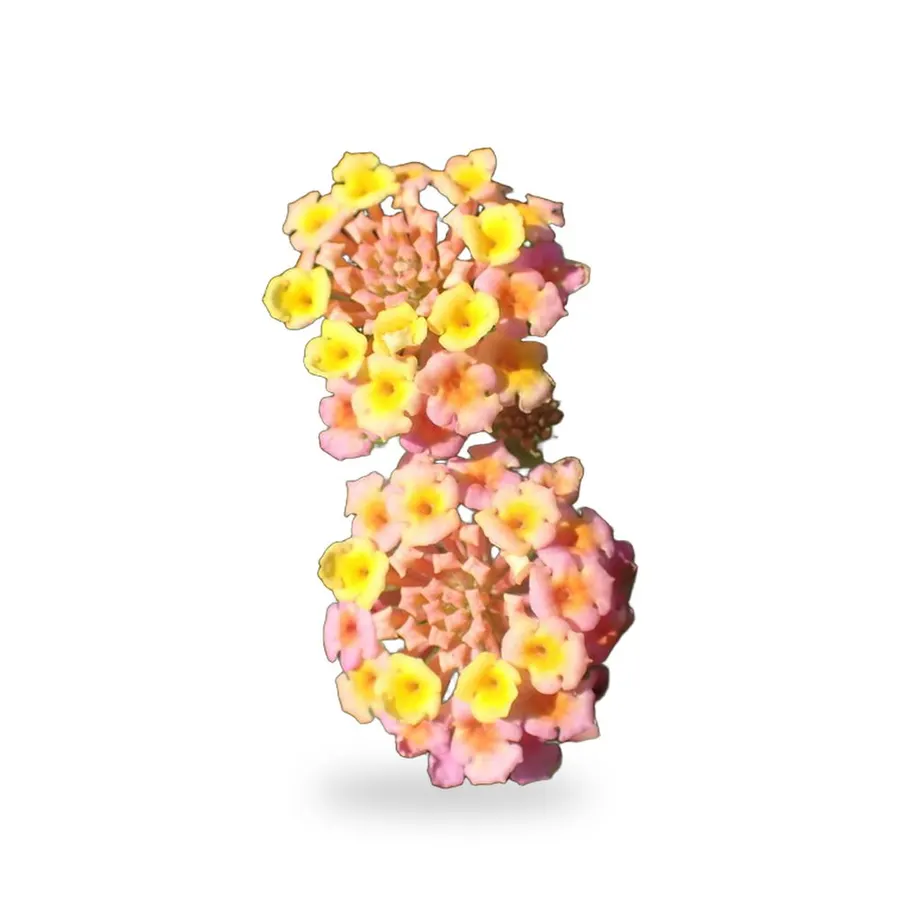
Lantana sizes we deliver and plant
Every size below is planted by our crew, set at the right depth and watered in. Send the size and how many, and we text back a planted price, usually within the hour during the day.
| Plant | Sizes |
|---|---|
| Confetti Lantana | 1 Gallon |
Lantana in SW Florida, at a glance
- Mature size here
- 2 to 6 ft tall and 3 to 5 ft wide; shorter with regular cutting back
- Light
- Full sun; flowers poorly in shade
- Water
- Very low once established; flowers more with regular water
- Salt tolerance
- Moderate
- Cold tolerance
- Frost burns the tops; it usually resprouts from the base in spring
- Growth rate
- Fast
- Spacing
- 3 to 4 ft on center for a mass planting
- Florida native
- No (Florida's native lantanas are pineland lantana and buttonsage)
- Botanical name
- Lantana camara 'Confetti' (now Lantana strigocamara)
Where Lantana works in a SW Florida yard
Put lantana where little else wants to live: full sun, reflected heat off a driveway, thin sandy soil. It mounds into a rounded shrub 3 to 4 ft tall, so use it as a mass planting or a flowering border in front of taller shrubs. The multicolor flower clusters shift shade as they age, which gives a busy, cheerful look.
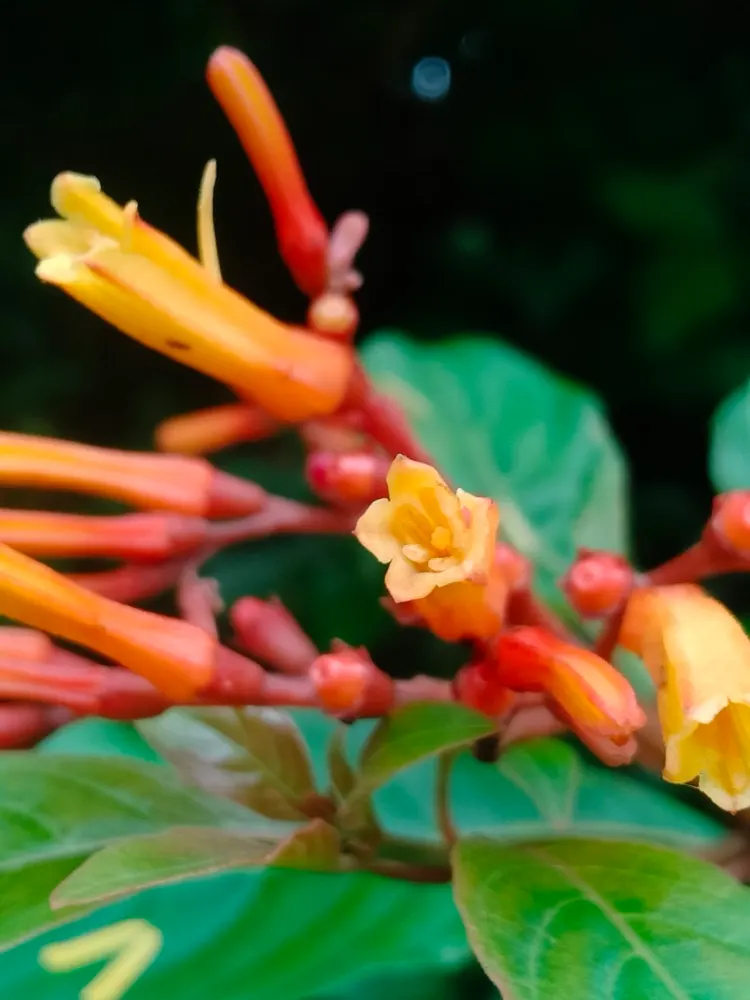
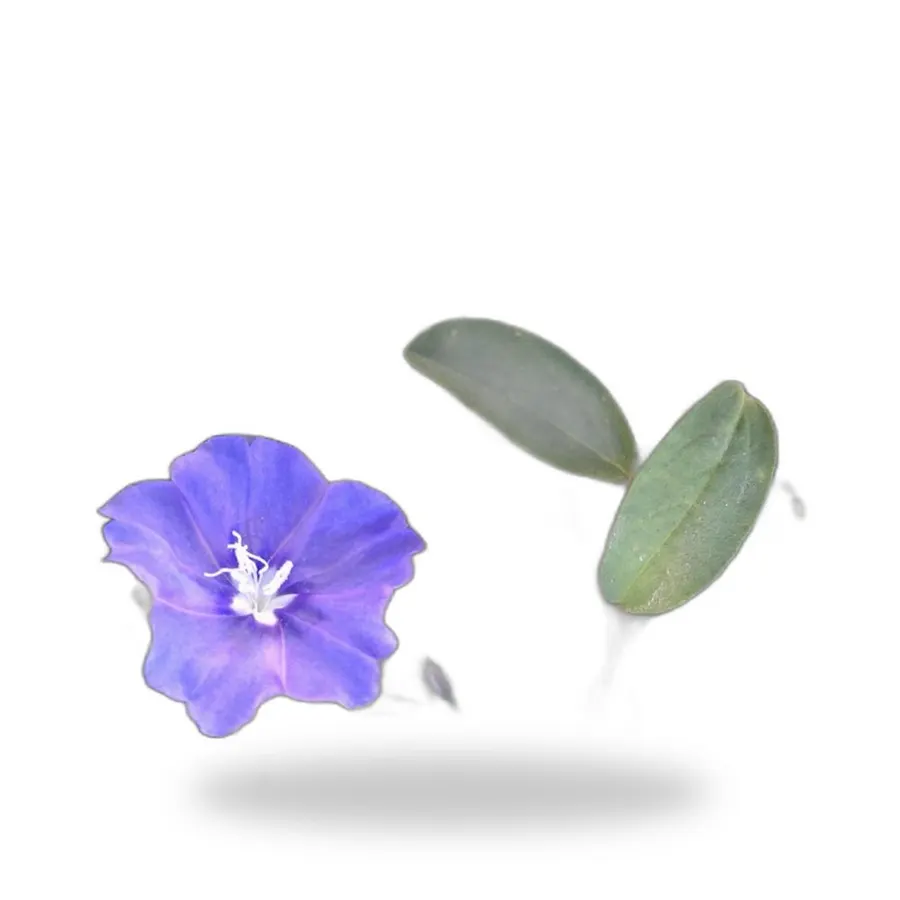
Good partners are firebush, society garlic and blue daze, all of which handle the same sun and dry soil. Keep it out of shade and soggy beds.
- Hot, sunny beds
- Butterfly gardens
- Driveway and curb borders
- Low-water color
How our crew plants it
Lantana wants full sun and loose, well-drained soil, set 3 to 4 ft apart. Dig each hole twice as wide as the 1 gallon pot, keep the top of the root ball level with the soil, firm it in and water well. Skip heavy soil amendments and keep sprinklers from soaking the crowns, because lantana does not like wet feet.
Our crew sets each plant, waters it in and cleans up. Extra watering is allowed for new plantings under Lee and Collier rules; after that, your assigned two days is plenty.
Care after planting
- Cut it back by half to two-thirds in late winter, after the last cold snap, to keep it dense and flowering.
- Fertilize lightly, if at all, because extra nitrogen grows leaves instead of flowers, and keep any feeding outside the June 1 to September 30 ban.
- Water young plants regularly, then let it settle into your assigned two days; it tolerates drought but flowers more with regular water.
- Snip off spent flower clusters before the berries ripen to cut down on bird-spread seed and volunteer seedlings.
What to watch for
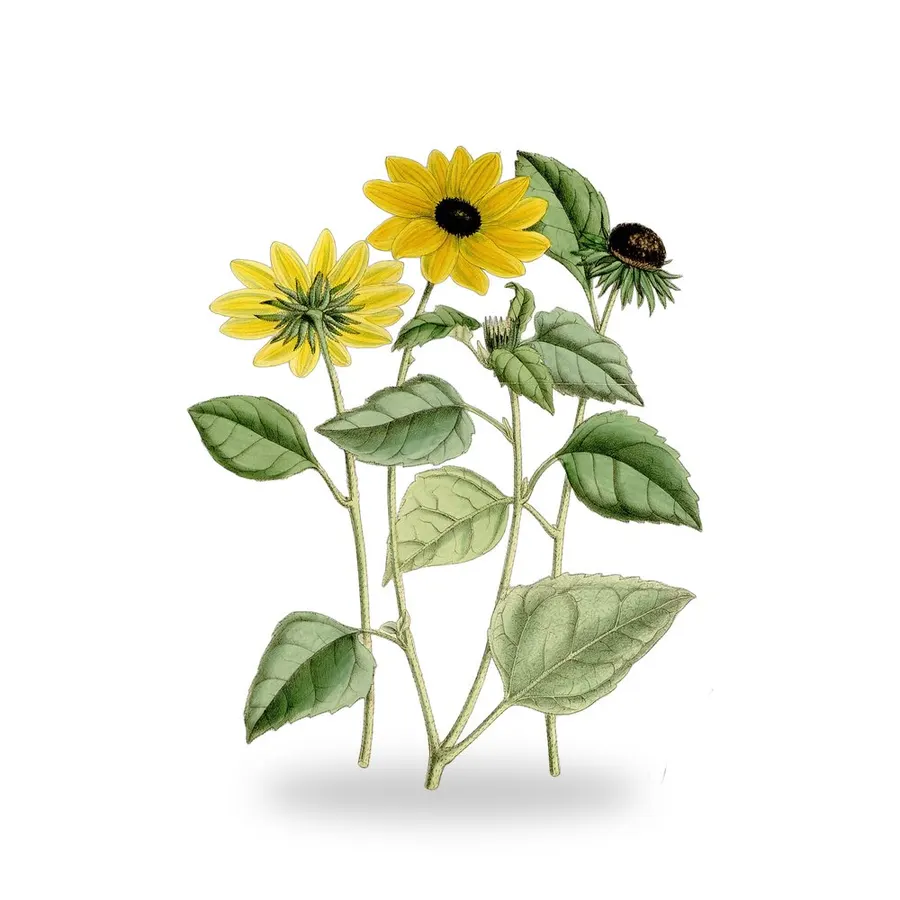
- Lantana camara is on Florida's invasive plant list (Category I) and UF/IFAS advises against the standard types like Confetti because birds spread the berries into natural areas, so keep it in contained beds away from preserves and ask us about native firebush or beach sunflower if your lot borders wild land.
- All parts are toxic if eaten, especially the unripe green berries, and the ASPCA lists lantana as toxic to dogs, cats and horses.
- In shade or soggy soil it turns leggy and flowers poorly.
Lantana questions we hear
Is lantana invasive in Florida?+
The common multicolor lantana, including Confetti, is listed as invasive (Category I) because birds spread its berries into natural areas. UF/IFAS recommends sterile cultivars such as Bloomify Red and Bloomify Rose instead. If you plant Confetti, keep it in a contained bed, trim off berries and choose native firebush near preserves.
Is lantana poisonous to dogs and cats?+
Yes. The leaves and especially the unripe green berries are toxic if eaten, and the ASPCA lists lantana as toxic to dogs, cats and horses. Signs include vomiting, diarrhea and weakness. If your dog chews plants or eats berries off the ground, pick something else, and call a vet if it happens.
Does lantana bloom all year in Southwest Florida?+
Nearly. Lantana flowers heavily from spring through fall and keeps going through most coastal winters. A hard frost can burn it back, and it blooms best in full sun with regular water. Cutting it back in late winter refreshes it for the next flush of flowers.
How much sun does lantana need?+
Six or more hours of direct sun. In shade it turns leggy and flowers poorly. It handles reflected heat from driveways and walls better than almost any other flowering shrub, which is why it does so well on sunny curbs and in sandy beds.
How far apart should I plant lantana?+
Space 1 gallon plants 3 to 4 ft apart on center for a mass planting. They fill in within a season or two. Closer than that and you will be cutting back to keep the bed open, while wider spacing leaves room for weeds. Allow 5 to 6 ft if you want a big, free-form shrub.
How often should I water new lantana in Lee County?+
Water new plants regularly for the first few weeks, because Lee and Collier allow extra watering for new plantings while they establish. After that, your assigned two days is plenty, and the plant tolerates drought. Soggy soil does more harm than dry soil.
Updated October 2026
Get a planted price on Lantana
Tell us what and how many. Quinten prices it from the nursery's live list and texts you back, usually within the hour during the day.
Only need the plant delivered, no planting? It is on our nursery's list at Palm & Plant Co.
Also worth a look
More like this
All ground covers & vines
The service
Landscape installation
Planning a whole yard
See it in 3D first
We deliver and plant across Cape Coral, Fort Myers, Naples, Estero, Bonita Springs and about an hour around.