Carissa (Natal Plum), Delivered and Planted in SW Florida
Carissa, or Natal plum, is a glossy evergreen shrub that does very well in Southwest Florida, especially on salty coastal and canal lots. The two types we carry are compact selections that suit tidy borders, small hedges and foundation beds. Fragrant white flowers appear most of the year, followed by red fruit that is edible when ripe. Most carissas have sharp thorns, so keep them back from walkways.
- Light:
- Full sun to part shade
- Water:
- Low once established; drought tolerant, but dislikes soggy soil
- Salt:
- High
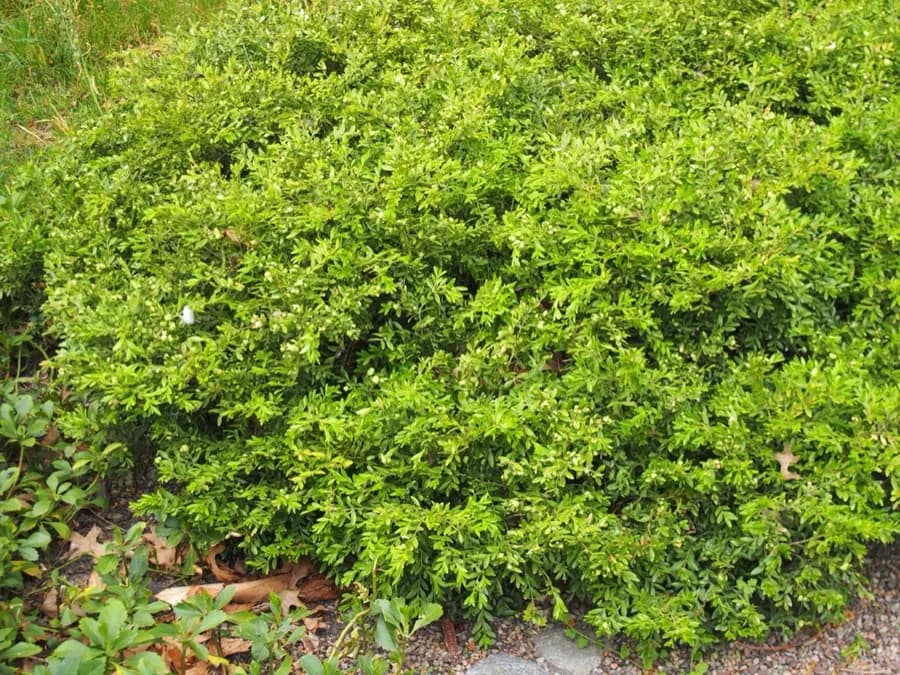
Carissa (Natal Plum) sizes we deliver and plant
Every size below is planted by our crew, set at the right depth and watered in. Send the size and how many, and we text back a planted price, usually within the hour during the day.
| Variety or form | Sizes | Good to know |
|---|---|---|
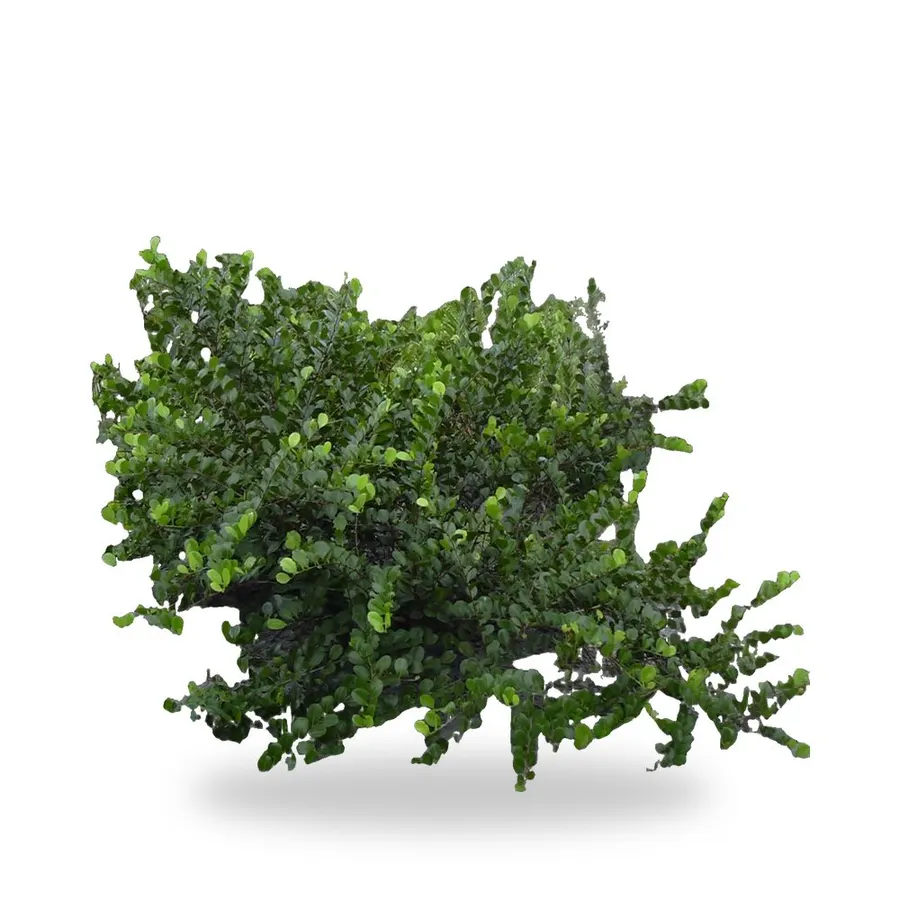
| Boxwood Emerald Blanket | 3 Gallon | A compact, dense selection with small glossy leaves, carried in 3 gallon for low clipped borders and mounded beds. |
| Carissa Esmeralda | 3 Gallon | A second compact, glossy-leaved carissa carried in 3 gallon for the same borders and foundation beds, so text us your spot and we will help you choose. |
Carissa (Natal Plum) in SW Florida, at a glance
- Mature size here
- About 2 to 5 ft tall and 3 to 5 ft wide for these compact types; full-size natal plum grows 6 ft or more
- Light
- Full sun to part shade
- Water
- Low once established; drought tolerant, but dislikes soggy soil
- Salt tolerance
- High
- Cold tolerance
- Takes a light frost; a hard freeze can burn it, so cover young plants inland
- Growth rate
- Moderate
- Spacing
- 2 to 3 ft on center for a low hedge or border
- Florida native
- No, native to South Africa
- Botanical name
- Carissa macrocarpa
Where Carissa (Natal Plum) works in a SW Florida yard
Use carissa where you want a low, clean evergreen mass that shrugs off sun, wind and salt, such as along a seawall side yard, in a hot driveway strip or as a clipped border in front of taller shrubs. Plant it with coontie, dwarf yaupon holly and muhly grass for a bed that handles salt and drought.
Set it back from where people walk and play, because the thorns are sharp and catch clothing and skin.
- Low salt-tough hedges
- Foundation and border beds
- Coastal and canal lots
- Fragrant edible-fruit shrub
- Thorny barrier planting
How our crew plants it
Open a hole twice as wide as the pot and no deeper, and set the top of the root ball level with the soil. Space plants 2 to 3 feet apart for a low hedge or border. Carissa dislikes soggy soil, so raise the bed slightly where summer rain pools.
Mulch 2 to 3 inches, pulled back from the stems. Water in well; Lee and Collier let new plantings take extra water for the first weeks, then you cut back.
Care after planting
- Water new plants regularly for the first couple of months, then let the soil dry between waterings, since established carissa gets by on rain and your assigned days.
- Feed lightly in spring and again in October with a slow-release shrub fertilizer, since nitrogen and phosphorus products are off limits in Lee County, Naples and Marco Island from June 1 to September 30.
- Trim lightly to shape it any time of year, wearing thick gloves and long sleeves because of the thorns.
- Pick fruit only when it is fully red and ripe, handling it gently because the skin bruises easily.
What to watch for
- Most carissas carry sharp thorns up to an inch long, so wear gloves, and plant them away from walkways, pool decks and play areas.
- Root rot is the usual cause of decline, so avoid low spots that hold water and keep daily sprinkler heads off the base.
Carissa (Natal Plum) questions we hear
Is carissa salt tolerant for a canal or Gulf-front lot?+
Yes. Carissa is one of the best shrubs for salt spray, wind and sandy soil, which is why it lines so many coastal yards in Cape Coral, Naples and Sanibel. It still dislikes soggy ground, so skip spots that flood in the rainy season.
How far apart do I plant carissa for a hedge?+
Space compact carissa 2 to 3 feet apart on center. Plant at 2 feet if you want a hedge that closes fast, and 3 feet if you can wait a season. Keep the line back from walkways, because the thorns catch clothing and skin.
How big does carissa get in Florida?+
The compact types we carry stay roughly 2 to 5 feet tall and 3 to 5 feet wide and take a light trim. Standard natal plum can reach 6 feet or more, so check which selection you are buying before you plan the bed.
Can you eat the fruit on natal plum?+
Yes. Fully ripe, deep red natal plum fruit is edible, with a mild, tart sweetness often compared to cranberry. Eat only ripe fruit and skip the leaves and stems, which carry a milky sap. Flowers and fruit show up together on the plant much of the year.
Does carissa need full sun?+
It flowers and fruits best in full sun, but it holds up in part shade, even afternoon shade beside a wall. In deep shade it turns thin and flowers little. Good drainage matters more than exposure.
What does a carissa hedge cost to install?+
Hedge pricing depends on the type, the number of plants and the length of the run. Text us the length and your address for a planted price, usually back within the hour during the day. Half down holds the plants and a delivery day.
Updated October 2026
Get a planted price on Carissa (Natal Plum)
Tell us what and how many. Quinten prices it from the nursery's live list and texts you back, usually within the hour during the day.
Only need the plant delivered, no planting? It is on our nursery's list at Palm & Plant Co.
Also worth a look
More like this
All hedges & shrubs
The service
Hedge and privacy screen installation
Planning a whole yard
See it in 3D first
We deliver and plant across Cape Coral, Fort Myers, Naples, Estero, Bonita Springs and about an hour around.