Red and White Fountain Grass, Delivered and Planted in SW Florida
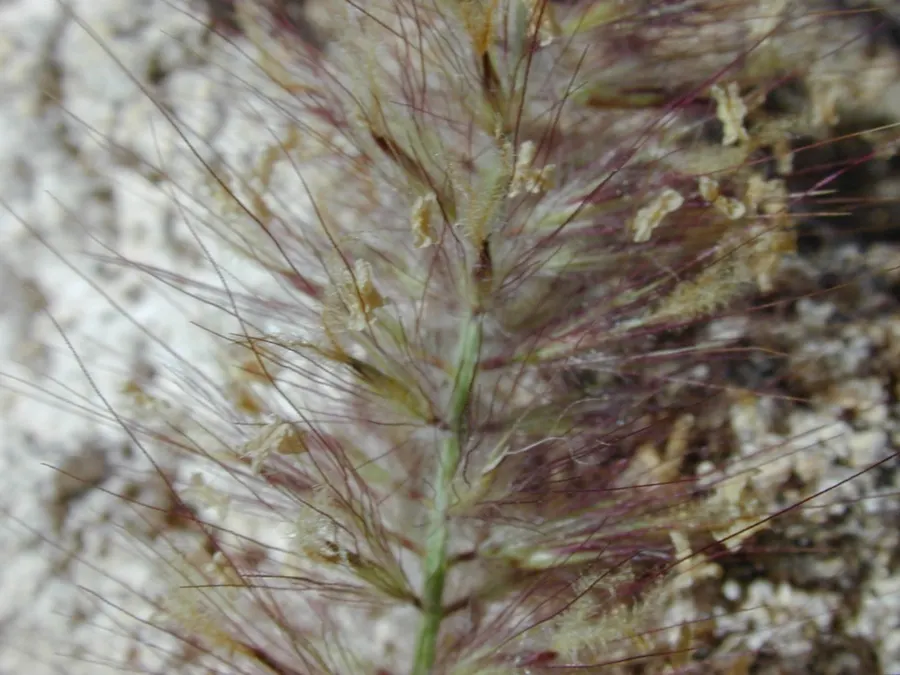
Fountain grass is a fast ornamental grass that grows well in SW Florida sun and gives beds burgundy-red leaves or creamy white plumes. It is best in a contained bed, because it is on Florida's invasive plant list and can self-seed into natural areas. We deliver and plant 3 gallon red and white plants, and we can point you to native grasses if you back up to a preserve.
- Light:
- Full sun
- Water:
- Low to moderate; moderately drought tolerant once established
- Salt:
- Low to moderate; keep out of direct salt spray
Fountain Grass sizes we deliver and plant
Every size below is planted by our crew, set at the right depth and watered in. Send the size and how many, and we text back a planted price, usually within the hour during the day.
| Variety or form | Sizes | Good to know |
|---|---|---|
| Red Fountain Grass | 3 Gallon | Burgundy-red foliage with feathery plumes, in 3 gallon; the dark, bold type. |
| White Fountain Grass | 3 Gallon | Green foliage with white plumes, in 3 gallon; the lighter, softer look. |
| Fountain Grass White | 3 Gallon | A second 3 gallon white listing, with creamy-white plumes over green leaves. |
| Fountain Grass Red | 3 Gallon | A second 3 gallon red listing, with the same burgundy-red leaves. |
Fountain Grass in SW Florida, at a glance
- Mature size here
- 2 to 4 ft tall and 2 to 3 ft wide, with plumes held just above the leaves
- Light
- Full sun
- Water
- Low to moderate; moderately drought tolerant once established
- Salt tolerance
- Low to moderate; keep out of direct salt spray
- Cold tolerance
- Frost browns the leaves and the clump usually regrows from the base in spring; cut back damaged growth once frost danger passes
- Growth rate
- Fast
- Spacing
- 2 to 3 ft apart for a mass planting
- Florida native
- No
- Botanical name
- Pennisetum spp. (also listed as Cenchrus)
Where Fountain Grass works in a SW Florida yard
Fountain grass is all about movement and soft texture against hard edges: along a driveway, in front of a wall or fence, or as a drift in a sunny bed. Plant in groups of three or five instead of a lone clump.
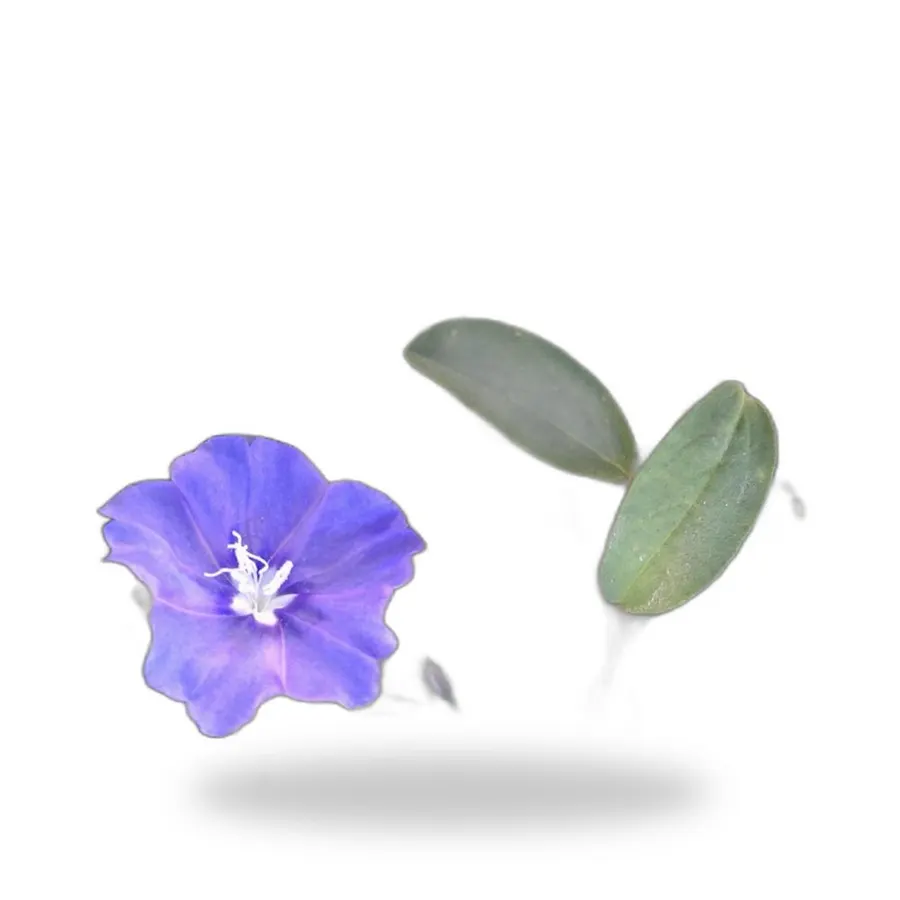
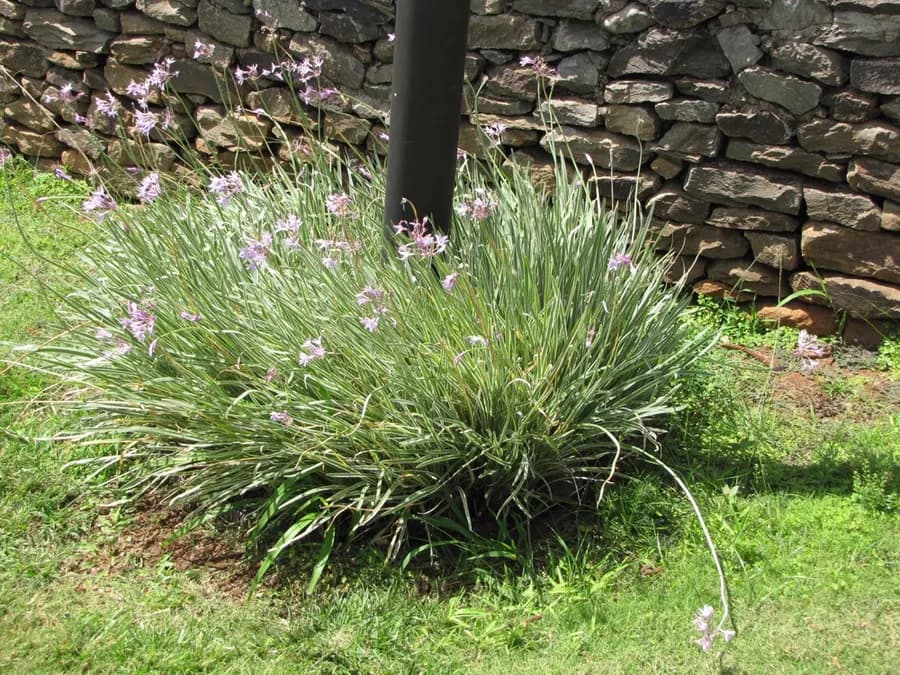
The red type stands out against pale walls and green foliage, while the white type shows best against dark mulch or a dark backdrop. Blue daze, gold mound and society garlic are good low companions.
- Accent in sunny beds
- Mass planting for movement
- Driveway and wall borders
- Contrast with green foliage
How our crew plants it
Fountain grass goes in full sun and well-drained soil, with the crown level with the surrounding grade and clumps 2 to 3 ft apart for a mass planting. Site it well back from preserve edges, canal banks and open lots. Planting day ends with a deep watering and cleanup by our crew.
Lee and Collier allow extra watering on new plantings, so expect frequent watering for the first few weeks, then your two assigned days, with a deeper soak in the dry season.
Care after planting
- Cut the plumes before they turn fuzzy and set seed, bag them, and pull any seedlings that sprout in the bed.
- Cut the whole clump back hard in late winter once frost danger passes, and it flushes fresh growth by spring.
- Feed lightly in spring and fall with a slow-release fertilizer, because Lee County, Naples and Marco Island ban nitrogen and phosphorus fertilizer from June 1 to September 30.
- Water on your assigned days; established clumps handle dry spells, though leaf tips brown in weeks of drought.
- Divide crowded clumps every few years in spring to keep them full and tidy.
What to watch for
- Fountain grass is a Category II invasive on Florida's list, and UF/IFAS advises against the red 'Rubrum' form because it can reseed; keep it to contained beds, cut plumes before seed forms, and choose native muhly or Fakahatchee grass near preserves, canals and open lots.
Fountain Grass questions we hear
Is fountain grass invasive in Florida?+
Yes, it is listed. Pennisetum setaceum is a Category II plant on Florida's invasive list, and UF/IFAS advises against planting the red type because it can reseed. If you plant it, keep it in a contained bed away from natural areas and cut plumes before seed forms. Native muhly grass is a good swap.
Does red fountain grass come back after a freeze?+
Usually. Frost browns the leaves, but the clump normally regrows from the base in spring. Leave the dead foliage until frost danger passes, then cut it back hard. A hard freeze can set back or kill weak plants, especially inland in Lehigh Acres.
How far apart should I plant fountain grass?+
Plant 3 gallon fountain grass 2 to 3 ft apart for a mass planting that knits together in a season or two. For a bold specimen look, give each clump about 3 ft. UF/IFAS lists 3 to 5 ft for the full-size red type.
What is a good native alternative to fountain grass?+
Muhly grass is the closest swap, with fine clumps and pink plumes in fall. Fakahatchee grass gives a larger, coarser clump, and sand cordgrass suits wet or coastal spots. All three are Florida natives and are worth a look if your yard borders a preserve or canal.
Does fountain grass need full sun?+
Yes. Fountain grass wants full sun, and in shade it flops, thins out and the red type loses its burgundy color. Plant it where it gets at least six hours of direct sun, on well-drained soil.
Updated October 2026
Get a planted price on Fountain Grass
Tell us what and how many. Quinten prices it from the nursery's live list and texts you back, usually within the hour during the day.
Only need the plant delivered, no planting? It is on our nursery's list at Palm & Plant Co.
Also worth a look
More like this
All ornamental grasses
The service
Landscape installation
Planning a whole yard
See it in 3D first
We deliver and plant across Cape Coral, Fort Myers, Naples, Estero, Bonita Springs and about an hour around.