Fakahatchee Grass, Delivered and Planted in SW Florida
A tough, clumping Florida native, Fakahatchee grass thrives in Southwest Florida, with bold, arching, fountain-like leaves and flower spikes through the warm months. It handles wet ground and dry spells alike, so it suits low spots, pond edges and sunny beds. We stock the standard form and a dwarf form, and we deliver and plant both.
- Light:
- Full sun to part shade
- Water:
- Moderate to high; tolerates seasonal wet feet and short dry spells once established
- Salt:
- Low to moderate; keep out of direct salt spray
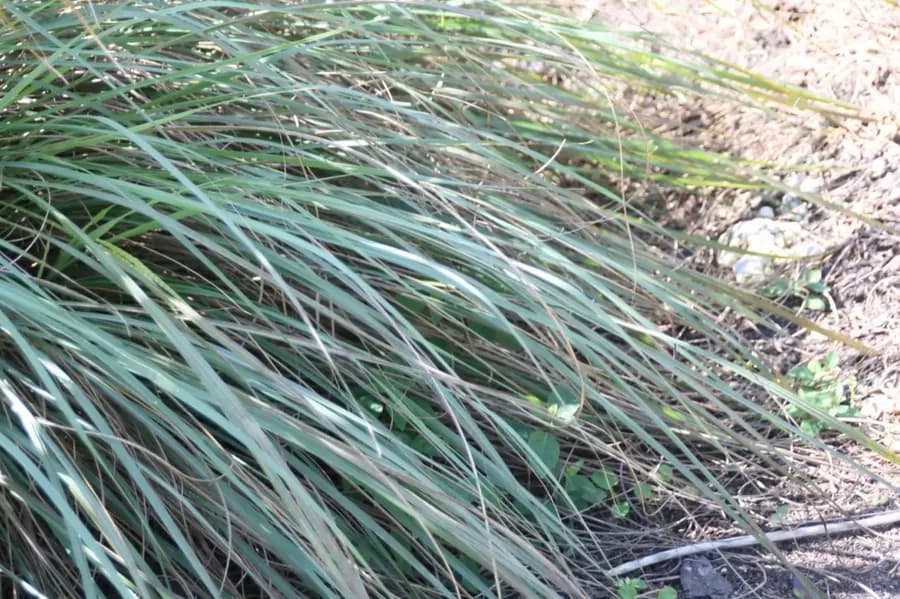
Fakahatchee Grass sizes we deliver and plant
Every size below is planted by our crew, set at the right depth and watered in. Send the size and how many, and we text back a planted price, usually within the hour during the day.
| Variety or form | Sizes | Good to know |
|---|---|---|
| Fakahatchee Grass | 3 Gallon | The full-size form in 3 gallon, about 4 to 6 ft tall, for screening, pond edges and back-of-bed height. |
| Dwarf Fakahatchee Grass | 3 Gallon | A smaller form, around 2 to 3 ft, in 3 gallon for mid-bed spots, walkway borders and smaller yards. |
Fakahatchee Grass in SW Florida, at a glance
- Mature size here
- Standard form 4 to 6 ft tall and about as wide, dwarf form 2 to 3 ft; flower stalks rise higher
- Light
- Full sun to part shade
- Water
- Moderate to high; tolerates seasonal wet feet and short dry spells once established
- Salt tolerance
- Low to moderate; keep out of direct salt spray
- Cold tolerance
- Frost browns the leaves and the clump regrows from the base in spring
- Growth rate
- Moderate to fast
- Spacing
- 3 to 4 ft apart for the standard form, 2 to 3 ft for the dwarf
- Florida native
- Yes, Florida native
- Botanical name
- Tripsacum dactyloides
Where Fakahatchee Grass works in a SW Florida yard
Fakahatchee grass gives a bed bold, arching texture that stays green through most of the year. Plant the standard form as a back-of-bed anchor, a loose screen along a fence, or a drift beside a pond or retention swale where the soil stays wet. The dwarf form fits mid-bed spots, walkway borders and smaller yards.
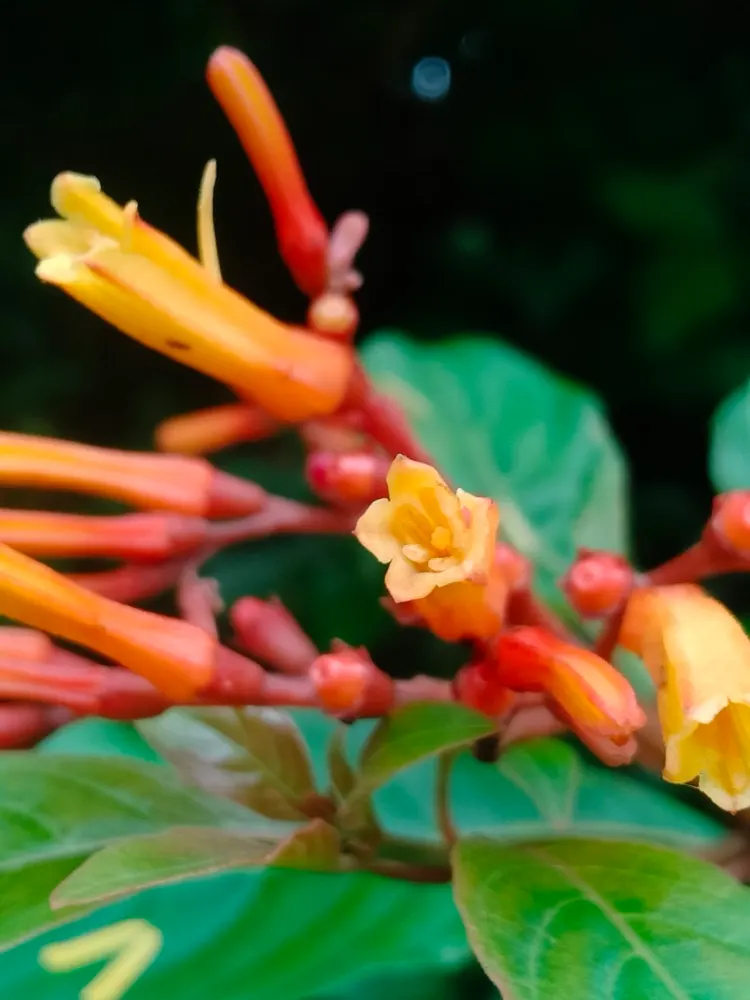
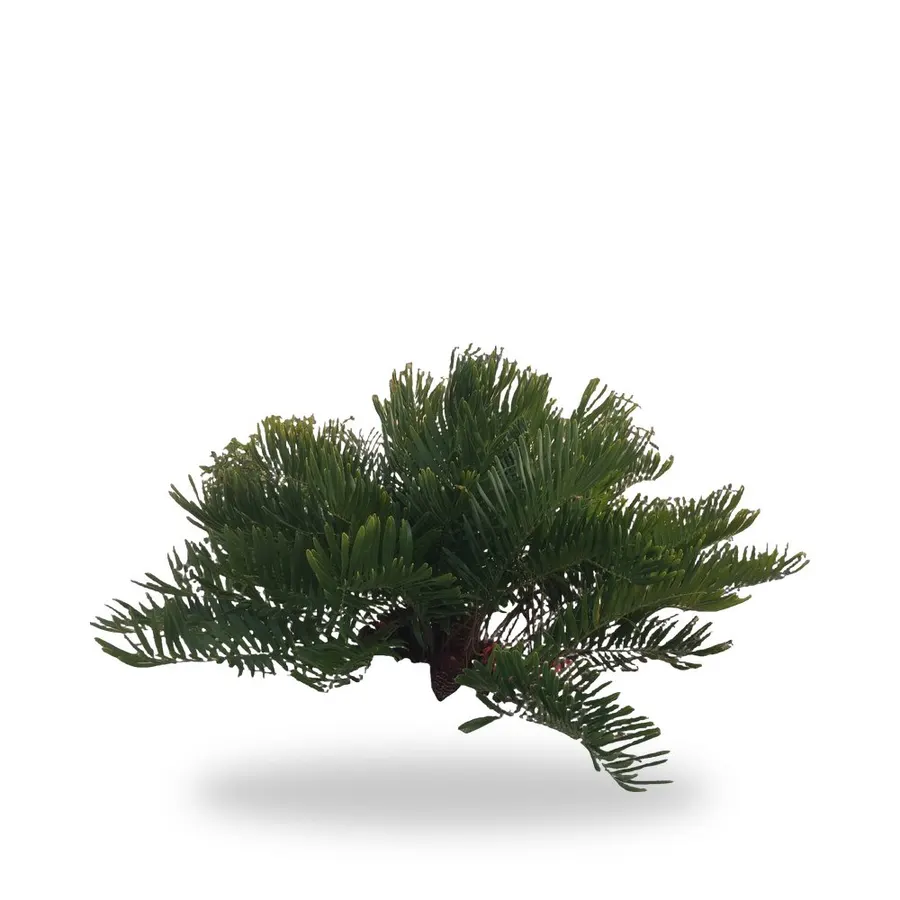
Native companions work well: firebush for bloom, coontie for a darker green, and muhly grass for a finer texture in front. Keep it a few feet off walkways, since the leaves are rough-edged and arch outward.
- Pond and swale edges
- Native garden anchor
- Mass planting for texture
- Informal screening
How our crew plants it
The crown should sit level with the soil, no deeper. We dig each hole as deep as the pot and twice as wide, backfill with native sand, water the clump in and clean up. Space the standard form 3 to 4 ft apart and the dwarf 2 to 3 ft.
Mulch 2 inches deep, off the crown. New clumps need regular water until established, and Lee and Collier schedules include extra watering for new plantings. After that, rain and your assigned days carry it.
Care after planting
- Cut the clump back to 6 to 12 inches in late winter, before new growth starts, to clear old leaves and flower stalks.
- Water regularly for the first few months; once rooted it handles the dry season on rain and your assigned watering days.
- Native grasses need little feeding: one light application in spring is plenty, and nothing with nitrogen or phosphorus from June 1 to September 30.
- Divide crowded clumps in spring every few years if the center starts to thin out.
What to watch for
- The leaf edges are rough enough to cut skin, so keep it off narrow walkways and wear gloves and long sleeves when you trim.
Fakahatchee Grass questions we hear
Is Fakahatchee grass native to Florida?+
Yes. Fakahatchee grass is a Florida native that grows wild in moist, open spots. That makes it a good fit for native plantings and wildlife-friendly yards, and it copes well with the wet-and-dry swings of our rainy and dry seasons.
How big does Fakahatchee grass get?+
The standard form makes a clump 4 to 6 ft tall and about as wide, with flower stalks that rise higher. The dwarf form stays around 2 to 3 ft. Both fill out over a couple of seasons, so leave room rather than crowding the planting.
How far apart should I plant Fakahatchee grass?+
Space the standard form 3 to 4 ft apart for a mass planting or screen, and the dwarf form 2 to 3 ft. Go to 4 ft or wider if you want each clump to show its fountain shape instead of merging into a wall.
Will Fakahatchee grass grow in wet areas or in drought?+
Both, within reason. It tolerates seasonal flooding and soggy low spots, and once established it rides out dry spells, although the leaves brown and slow down in a long drought. Regular water through the first few months is what gets it rooted.
When should I cut back Fakahatchee grass?+
In late winter, just before new growth starts. Cut the clump to 6 to 12 inches, with gloves and long sleeves because the leaf edges are rough. Frost may brown the leaves earlier in inland yards, but waiting until late winter protects the crown.
How much does it cost to plant Fakahatchee grass?+
The planted price depends on the form, how many clumps and your site, and we send it by text. Send the bed size or the count and you will usually hear back within the hour during the day. Half down holds the plants and a delivery day.
Updated October 2026
Get a planted price on Fakahatchee Grass
Tell us what and how many. Quinten prices it from the nursery's live list and texts you back, usually within the hour during the day.
Only need the plant delivered, no planting? It is on our nursery's list at Palm & Plant Co.
Also worth a look
More like this
All ornamental grasses
The service
Landscape installation
Planning a whole yard
See it in 3D first
We deliver and plant across Cape Coral, Fort Myers, Naples, Estero, Bonita Springs and about an hour around.