Dwarf Oleander, Delivered and Planted in SW Florida
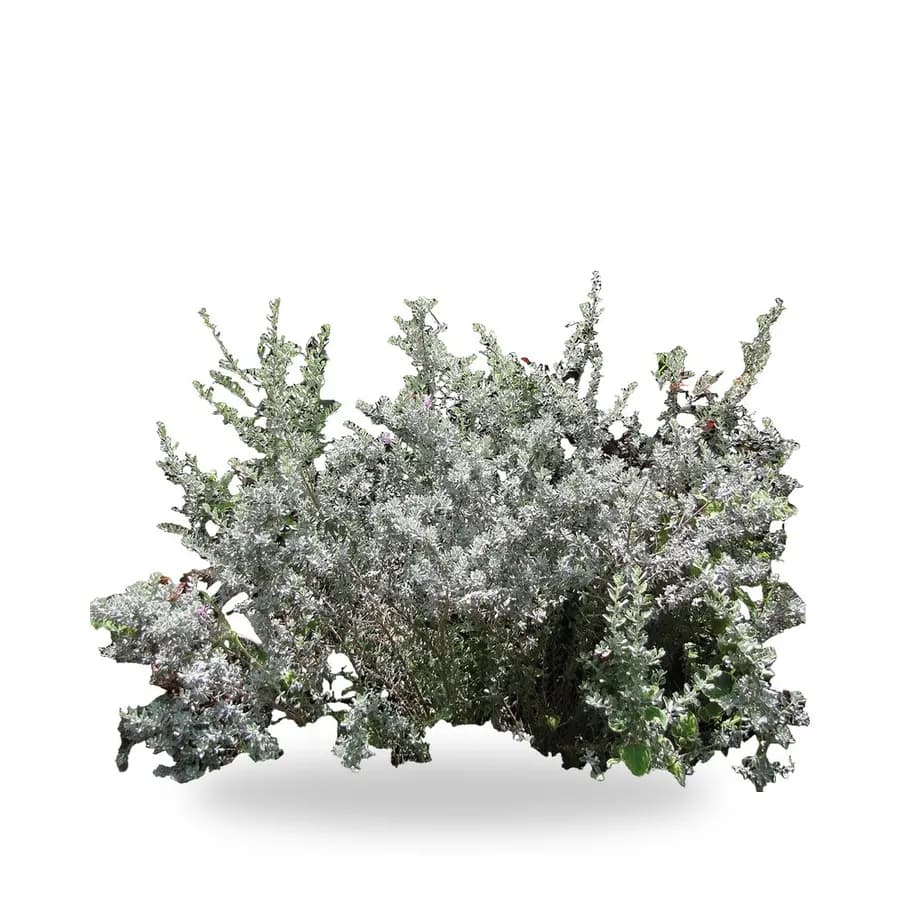
Dwarf oleander is one of the toughest flowering shrubs in SW Florida: it blooms for much of the year, shrugs off salt, heat and drought, and stays small enough for foundation beds and low hedges. Every part of the plant is poisonous to people and pets, so place it with care. We deliver and plant 3 gallon Oleander Dwarf and Oleander Petite Pink.
- Light:
- Full sun; at least six hours for the best bloom
- Water:
- Very low once established; an occasional deep soak in long dry spells
- Salt:
- High
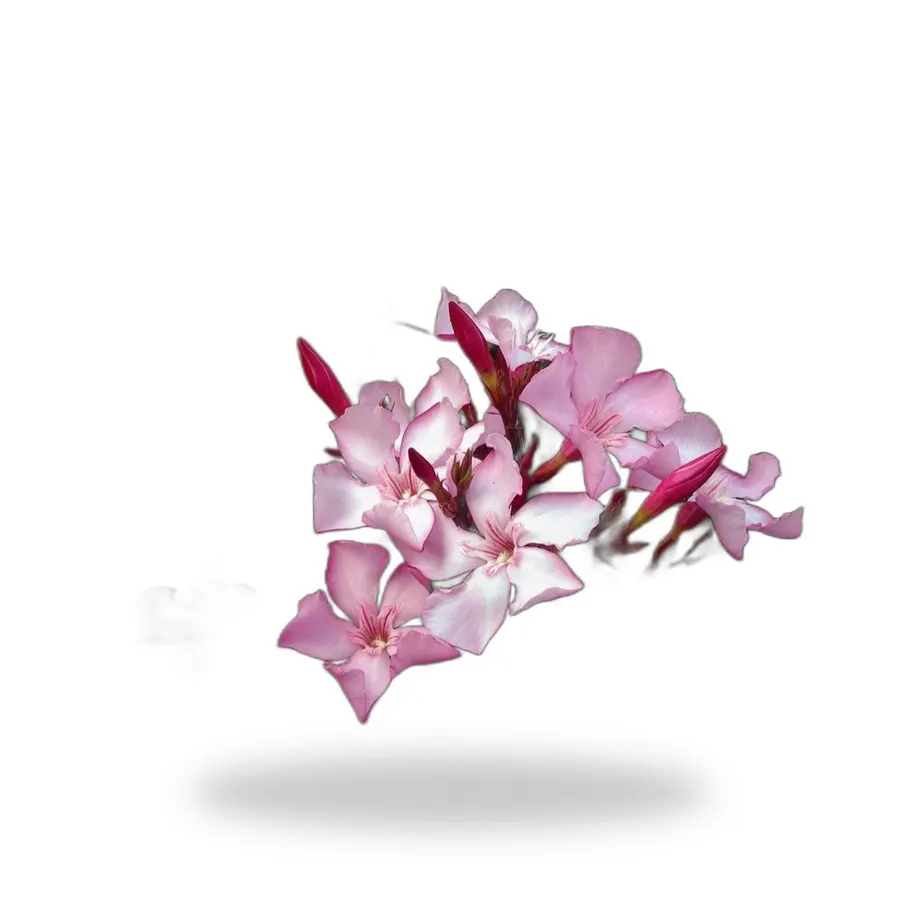
Oleander sizes we deliver and plant
Every size below is planted by our crew, set at the right depth and watered in. Send the size and how many, and we text back a planted price, usually within the hour during the day.
| Variety or form | Sizes | Good to know |
|---|---|---|
| Oleander Dwarf | 3 Gallon | A compact oleander that stays well under the 8 to 12 feet of standard types, good for low hedges and tight beds; flower color varies by selection, so ask when you text for a price. |
| Oleander Petite Pink | 3 Gallon | A named dwarf selection with soft pink flowers on a rounded, compact plant that usually stays around 3 to 5 feet. |
Oleander in SW Florida, at a glance
- Mature size here
- Dwarf types about 3 to 6 ft tall and 3 to 5 ft wide; standard oleander reaches 8 to 12 ft
- Light
- Full sun; at least six hours for the best bloom
- Water
- Very low once established; an occasional deep soak in long dry spells
- Salt tolerance
- High
- Cold tolerance
- Very cold tolerant for Florida; frost may burn leaf tips, but it recovers
- Growth rate
- Moderate to fast
- Spacing
- 3 to 4 ft on center for a dwarf hedge
- Florida native
- No
- Botanical name
- Nerium oleander
Where Oleander works in a SW Florida yard
Dwarf oleander earns its place in the hardest spots: hot driveway strips, west-facing walls, roadside beds and coastal lots where other shrubs burn. Plant a row for a low flowering hedge, or mass it for steady color.
Keep it away from play areas, pet runs and anywhere children pick flowers. Lantana, muhly grass and agave share its love of sun and sand, so they make easy partners in the same low-water bed.
- Low flowering hedge
- Foundation and driveway beds
- Hot, dry, salty sites
- Mass color planting
How our crew plants it
Dwarf oleander goes in 3 to 4 feet apart for a hedge. The hole is twice as wide as the 3 gallon pot and the same depth, with the top of the root ball level or an inch high, and native sandy soil goes back in without rich amendments.
Our crew waters it in and cleans up. Lee and Collier allow extra watering on new plantings, so soak new plants often at first, then taper hard once they root in.
Care after planting
- Prune after a bloom flush or in late winter to keep it dense, and wear gloves and eye protection because the sap irritates skin and eyes.
- Never burn oleander clippings, since the smoke is toxic, and bag them away from pets and children.
- Once established, water deeply and rarely, because too much water gives leggy growth and fewer flowers.
- Feed lightly in spring and fall with a balanced shrub fertilizer, and skip June 1 to September 30 in Lee County, Naples and Marco Island.
- Check new growth for oleander caterpillars and treat early with Bt or by hand-picking with gloves.
What to watch for
- All parts are highly toxic if eaten by people, dogs, cats or livestock, so keep it away from play areas and pet runs, never burn clippings, and wear gloves when pruning.
- Oleander caterpillars, the orange larvae with black tufts of the polka-dot wasp moth, can strip a plant in days, though it normally leafs back out.
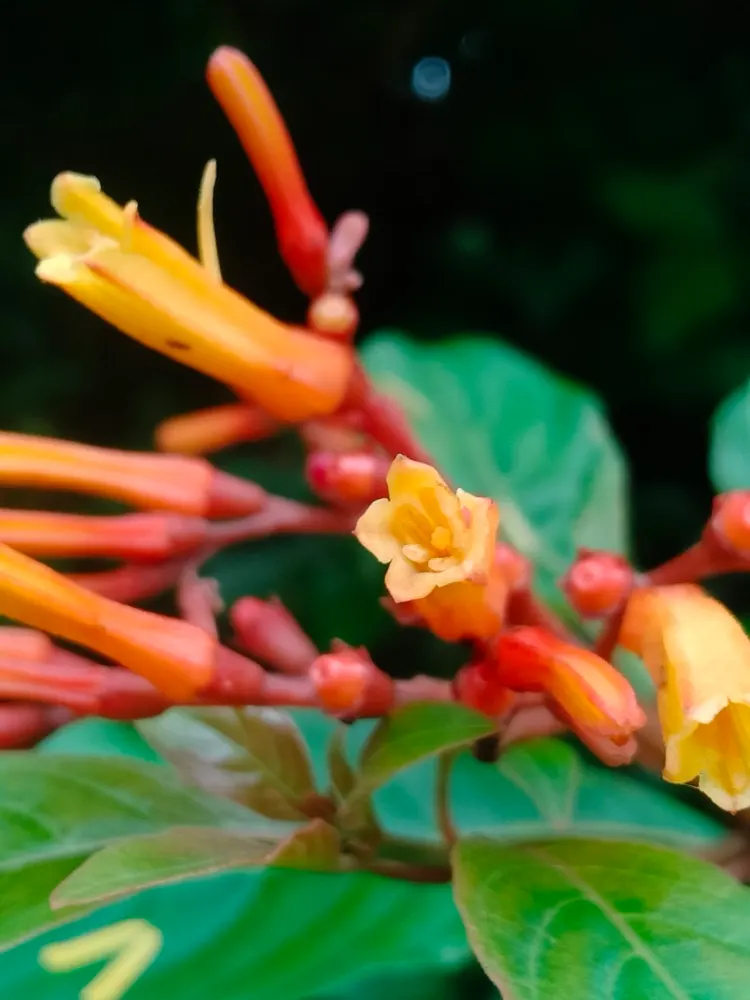
- UF/IFAS currently lists oleander as a predicted invasive that it does not recommend, though its assessment is still in progress, so we plant it in managed beds away from preserves and shorelines and suggest firebush, a Florida native, for those edges.
Oleander questions we hear
Is oleander poisonous to dogs and cats?+
Yes. Every part of oleander, including leaves, flowers, stems and sap, is highly toxic to dogs, cats, people and livestock, and even a small amount can be serious. Keep pets away from it, never burn clippings, and call a vet or poison control right away if an animal chews it.
How far apart should I plant dwarf oleander?+
Plant dwarf oleander 3 to 4 feet apart for a low hedge that fills in within a year or two, or about 5 feet apart for a looser planting with room to spread. Standard oleanders, which grow far larger, need 5 to 6 feet or more.
Will oleander survive a freeze in Southwest Florida?+
Almost always. Oleander is hardy well below Florida's usual winter lows, so frost at most burns leaf tips or the tops of the plant, and it regrows in spring. Wait for warm weather to cut back damaged growth. Young plants in open inland yards are the ones to watch.
When does oleander bloom in Florida?+
Oleander blooms heaviest from spring through fall, with scattered flowers in mild winters. Full sun, light feeding and pruning after a flush keep the flowers coming. Too much nitrogen or too much shade gives you leaves instead of blooms.
Why are my oleander leaves being eaten?+
Oleander caterpillars, the orange larvae with black tufts of the polka-dot wasp moth, are the usual cause and can strip a shrub in days. Treat young caterpillars with Bt (Bacillus thuringiensis) or pick them off with gloves. The plant normally leafs back out, but check it each warm month.
Updated October 2026
Get a planted price on Oleander
Tell us what and how many. Quinten prices it from the nursery's live list and texts you back, usually within the hour during the day.
Only need the plant delivered, no planting? It is on our nursery's list at Palm & Plant Co.
Also worth a look
More like this
All hedges & shrubs
The service
Hedge and privacy screen installation
Planning a whole yard
See it in 3D first
We deliver and plant across Cape Coral, Fort Myers, Naples, Estero, Bonita Springs and about an hour around.