Texas Sage, Delivered and Planted in SW Florida
Texas sage is a silvery, rounded shrub that flushes with lavender-purple bells after a good rain, and once it is rooted in, it needs little or no irrigation in SW Florida's sand. The catch is drainage, because soggy summer ground rots its roots. It suits sunny, low-water borders. We deliver and plant 3 gallon plants.
- Light:
- Full sun
- Water:
- Low; drought tolerant once established and intolerant of wet feet
- Salt:
- Moderate
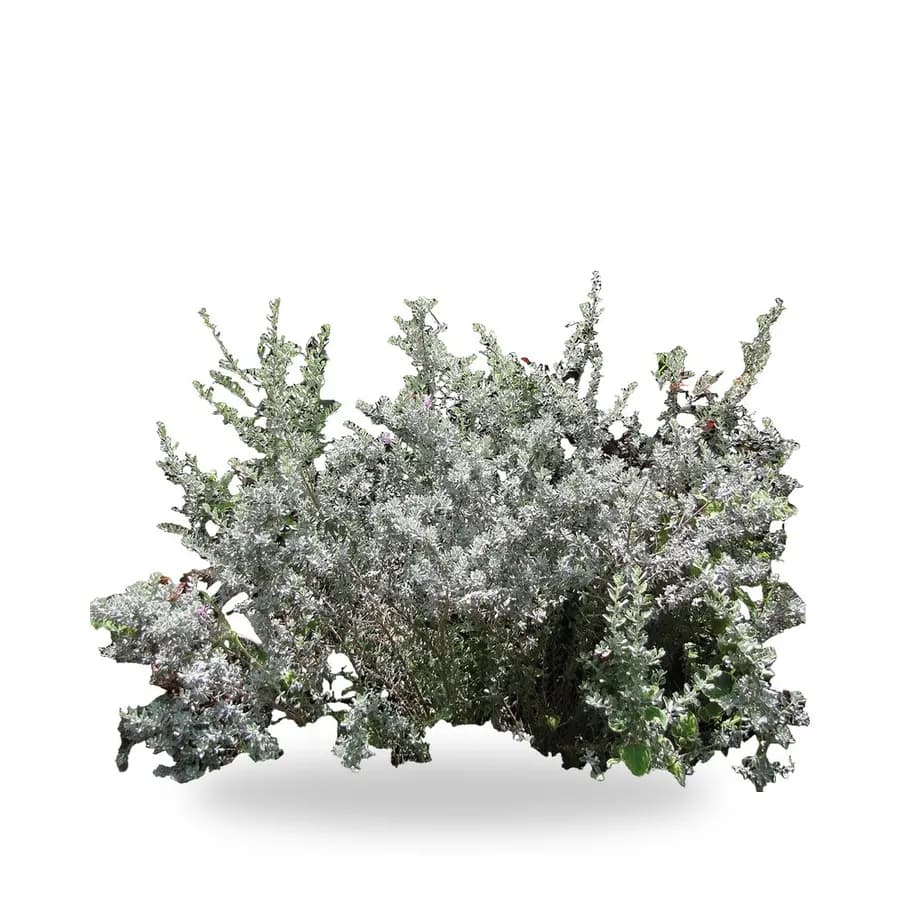
Texas Sage sizes we deliver and plant
Every size below is planted by our crew, set at the right depth and watered in. Send the size and how many, and we text back a planted price, usually within the hour during the day.
| Plant | Sizes |
|---|---|
| Texas Sage | 3 Gallon |
Texas Sage in SW Florida, at a glance
- Mature size here
- 5 to 8 ft tall and 4 to 6 ft wide
- Light
- Full sun
- Water
- Low; drought tolerant once established and intolerant of wet feet
- Salt tolerance
- Moderate
- Cold tolerance
- Hardy; Florida freezes rarely bother it
- Growth rate
- Moderate
- Spacing
- 4 to 6 ft on center for an informal hedge
- Florida native
- No, native to Texas and northern Mexico
- Botanical name
- Leucophyllum frutescens
Where Texas Sage works in a SW Florida yard
Use Texas sage in full sun on sandy, well-drained ground: along driveways and road frontage, in gravel or raised beds, and as a loose informal hedge rather than a clipped one, since shearing cuts the flowers.
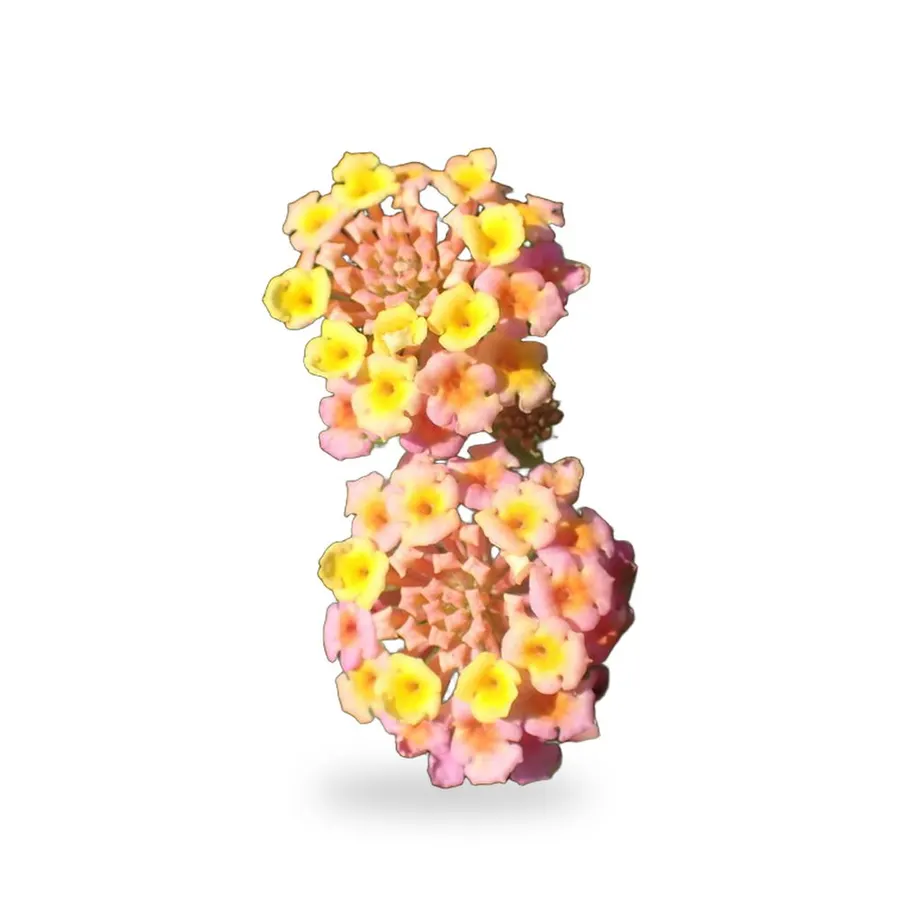
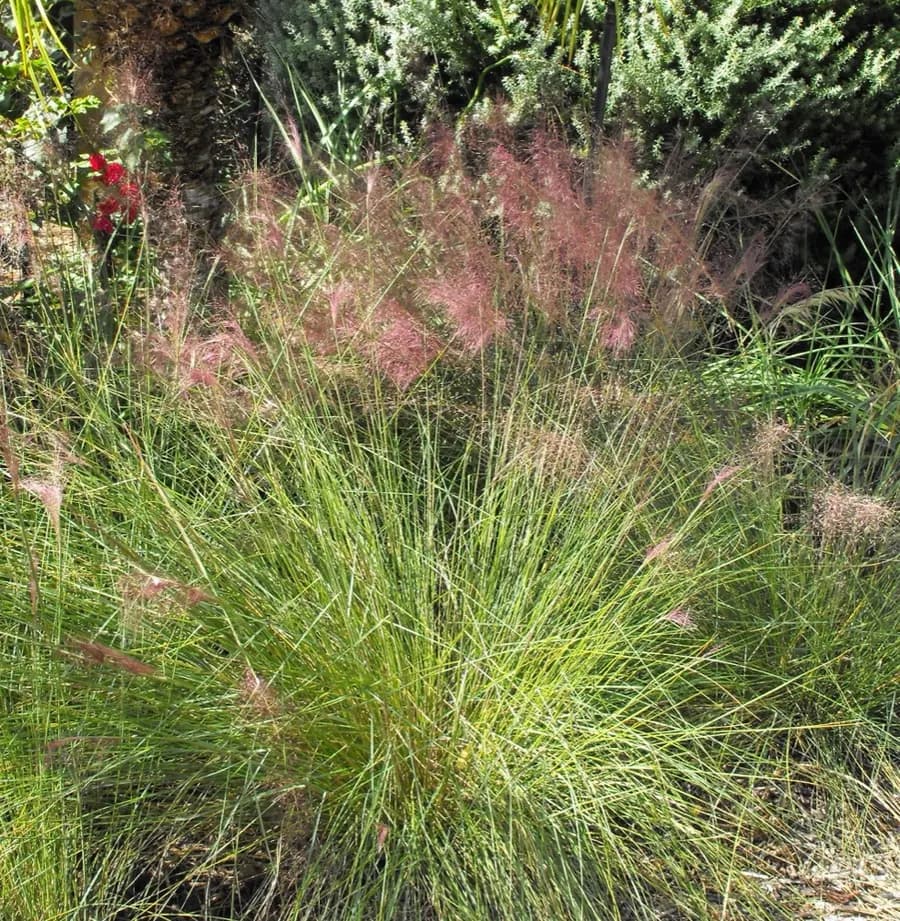
Its silver foliage stands out against green hedges. Muhly grass, lantana and agave share its water needs, so they can sit in the same bed.
- Sunny low-water borders
- Informal flowering hedge
- Gravel and raised beds
- Silver foliage contrast
How our crew plants it
Plant Texas sage on a mound or in a raised bed so water drains off the root ball. Dig the hole twice as wide as the pot and no deeper, refill with native sandy soil, and space plants 4 to 6 feet apart.
Our crew waters it in and cleans up. Lee and Collier allow extra watering on new plantings, which should taper quickly.
Care after planting
- Do not put it on the lawn sprinkler zone, because overwatering is the main way Texas sage dies in SW Florida.
- Prune lightly after a bloom flush and avoid hard shearing, which cuts the flowers.
- Fertilize sparingly or not at all, since rich soil makes it leggy with fewer blooms.
- Keep mulch thin and off the stems, or use gravel, so the crown stays dry.
What to watch for
- Root rot in wet, heavy or poorly drained soil is how Texas sage usually fails here, so plant it on a mound and away from sprinklers.
Texas Sage questions we hear
Does Texas sage grow well in Florida?+
Yes, in full sun and sandy, well-drained soil. Heat is no problem, but summer humidity and heavy rain are, because wet roots rot. Plant it on a mound away from sprinklers and it will handle SW Florida's summers with little care.
Why is my Texas sage not blooming?+
Too much shade, water or fertilizer is the usual reason. Texas sage flowers in flushes after rain or a rise in humidity, and shearing removes the flower wood. Give it full sun, hold back on irrigation and fertilizer, and prune lightly.
How far apart should I plant Texas sage for a hedge?+
Space plants 4 to 6 feet on center for an informal hedge, closer for a denser look. They reach 5 to 8 feet tall and 4 to 6 feet wide. Keep the hedge loose rather than shearing it into a formal shape, which cuts the flowers.
Updated October 2026
Get a planted price on Texas Sage
Tell us what and how many. Quinten prices it from the nursery's live list and texts you back, usually within the hour during the day.
Only need the plant delivered, no planting? It is on our nursery's list at Palm & Plant Co.
Also worth a look
More like this
All hedges & shrubs
The service
Hedge and privacy screen installation
Planning a whole yard
See it in 3D first
We deliver and plant across Cape Coral, Fort Myers, Naples, Estero, Bonita Springs and about an hour around.